
Ethereum is making privacy a default, not an exception. In September 2025, the Ethereum Foundation officially rolled out its end-to-end privacy roadmap, aiming to embed robust privacy features directly into the heart of the network. With ETH currently trading at $4,530.30 (24h change: -2.84%), this move is more than technical progress - it’s a signal that user confidentiality is now a top-tier priority for the world’s most widely used smart contract platform.
Why Privacy Matters More Than Ever in Crypto
Blockchains like Ethereum are powerful, but by design, they’re transparent. Every transaction, wallet balance, and smart contract interaction is visible to anyone with an internet connection. While transparency fuels trustlessness and auditability, it also exposes users to risks: financial surveillance, doxxing, and even targeted hacks.
The Ethereum Foundation’s new privacy initiative addresses these concerns head-on. By weaving privacy into the protocol itself rather than relying on third-party tools or afterthought add-ons, Ethereum aims to protect its users without sacrificing usability or compliance.
The Three Pillars of Ethereum’s Privacy Roadmap
The roadmap is structured around three core pillars - each designed to address specific pain points for everyday crypto users:
Ethereum’s Three Pillars of End-to-End Privacy
- Private Writes: Confidential transactions let users send ETH or tokens without revealing details on the public blockchain. Example: PlasmaFold is an experimental Layer 2 solution supporting private transfers, aiming for efficiency and cost parity with public transactions.
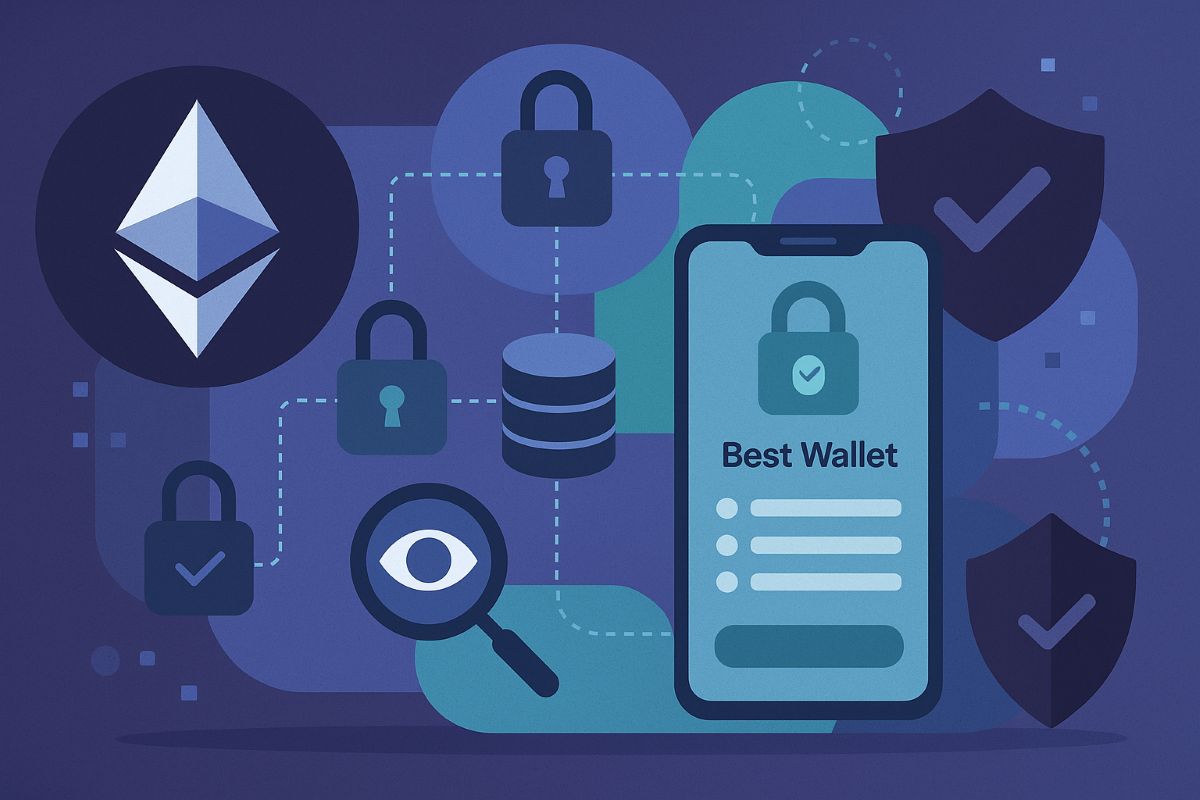
- Private Reads: Anonymous data access ensures users can interact with Ethereum dapps and query blockchain data without exposing their identity or interests. Privacy-preserving RPC services are being developed to keep user queries confidential.

- Private Proving: Easy zero-knowledge proofs empower users to verify facts or ownership without revealing sensitive information. This approach makes privacy proofs accessible and efficient, even on everyday devices, supporting a 'prove anywhere' model.
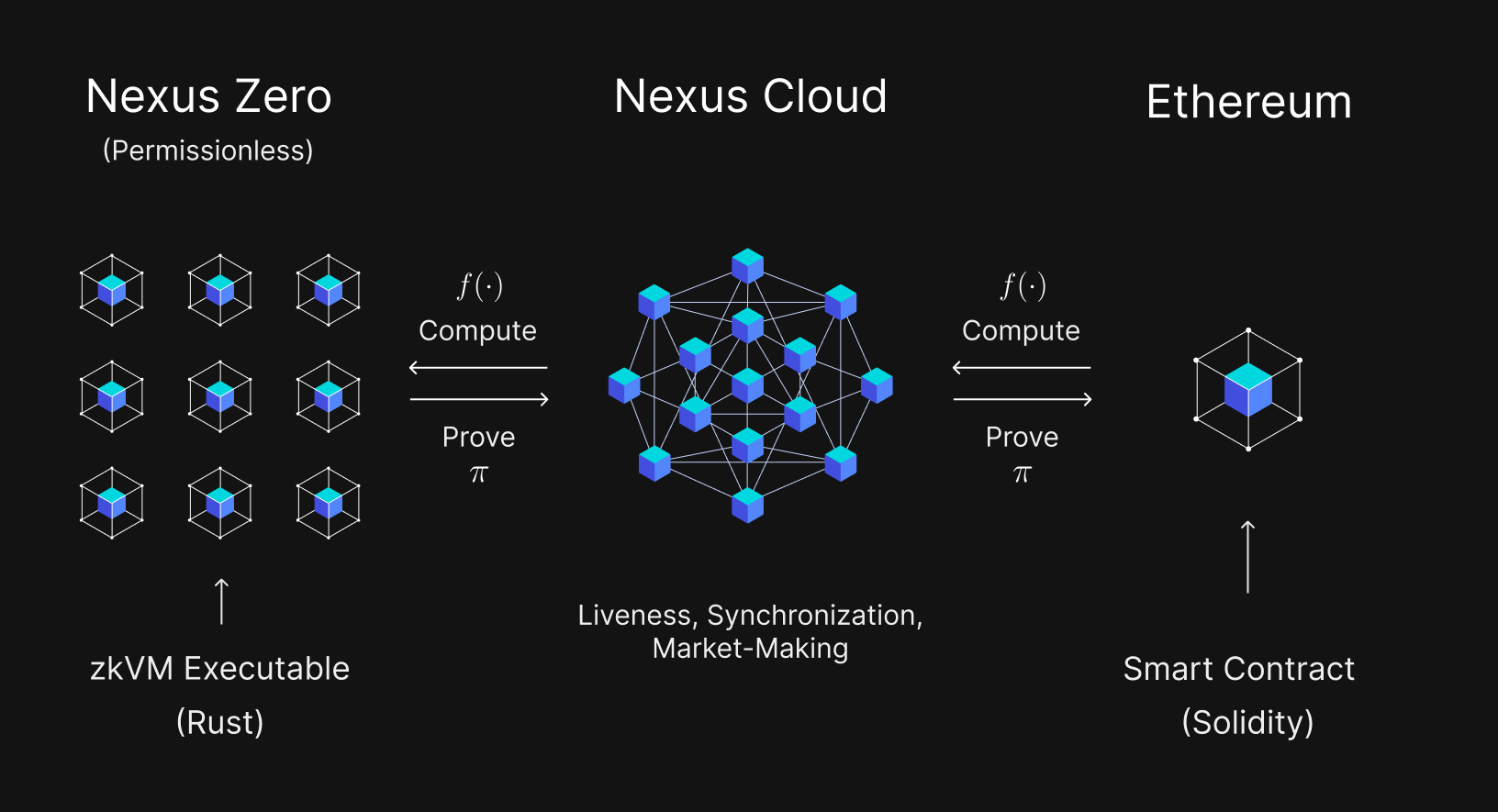
1. Private Writes: Imagine sending ETH or interacting with DeFi apps without anyone being able to trace your actions on-chain. Projects like PlasmaFold are pioneering confidential transfers that cost no more than regular public transactions. A proof-of-concept will debut at Devconnect Argentina in November 2025 - a key milestone for private payments on Layer 2.
2. Private Reads: Every time you check your wallet balance or query dApp data via an RPC node today, you leak information about your identity and interests. The new roadmap pushes for privacy-preserving RPC services so your IP address and account interests stay hidden during routine blockchain queries.
3. Private Proving: Zero-knowledge proofs are powerful tools that let you prove something happened without revealing sensitive details. But until now, creating these proofs required advanced hardware or trusted third parties. Ethereum’s next-gen approach will let anyone generate proofs anywhere - making privacy practical for all.
What End-to-End Privacy Means for Everyday Users
If you’re onboarding into crypto now or already living on-chain, here’s what this roadmap means in practice:
- No more prying eyes: Your token swaps and NFT mints can be private by default.
- DApp usage stays confidential: No one will know which DeFi protocols you use unless you want them to.
- Easier compliance with less risk: You can prove eligibility or ownership without exposing your entire financial history.
This vision isn’t just about tech - it’s about restoring autonomy in digital finance as regulators ramp up scrutiny worldwide (source). And with the PSE (Privacy Stewards of Ethereum) team leading the charge - formerly known as Privacy and Scaling Explorations - there’s real momentum behind making these upgrades standard across wallets, dApps, and infrastructure layers alike.
The Road Ahead: Upcoming Milestones and What to Watch For
The launch of PlasmaFold’s proof-of-concept at Devconnect Argentina this November could mark a turning point for private L2 transfers (details here). Meanwhile, work continues on integrating zkEVMs natively by late 2025 - a move that would supercharge both scalability and privacy at the base layer.
But the privacy roadmap goes far beyond technical milestones. For everyday users, the changes will be felt in the daily rhythm of crypto life: connecting wallets, swapping tokens, and exploring dApps will all become less revealing and more secure. This shift is especially timely as Ethereum sits at $4,530.30, with market volatility reminding everyone how valuable discretion can be in open financial systems.
How to Prepare for Ethereum’s Privacy Era
If you’re new to crypto or helping others onboard, here’s how to get ready for Ethereum’s evolving privacy landscape:
- Update your wallet software regularly. Leading wallets will soon support private transactions and reads by default. Stay current to benefit from new features as they roll out.
- Learn about zero-knowledge proofs. Even a basic understanding will help you navigate dApps that use these tools for access control or compliance checks without leaking extra data.
- Watch for RPC privacy settings. Many wallets and dApps will let you choose privacy-preserving endpoints, use them where possible to keep your browsing habits confidential.
- Stay informed on PlasmaFold and zkEVM progress. These are the backbone of upcoming private transfers and scalable, private computation on Ethereum.
The ethos is simple: privacy should not require extra effort or expertise. As these upgrades become standard, expect onboarding flows to highlight privacy options front-and-center, making safe, confidential usage the norm rather than a niche feature.
Community Pulse: Is Privacy the Killer App?
The community has been vocal about the need for better onchain privacy. Some see it as essential infrastructure; others worry about regulatory headwinds. The conversation is heating up as implementation draws near:
Do you think end-to-end privacy will drive mainstream adoption of Ethereum?
With Ethereum Foundation's new privacy roadmap aiming to make privacy the default for all onchain activity, do you believe these features will encourage more everyday users to join the Ethereum ecosystem?
The Privacy Stewards of Ethereum are betting that robust confidentiality features will attract not just cypherpunks but also institutions and everyday users wary of surveillance. This could redefine what it means to use decentralized finance, and may even set a new industry standard across blockchains.
What’s Next? Timeline and Key Events
As we approach Devconnect Argentina this November, where PlasmaFold’s proof-of-concept will go live, the industry is watching closely (read more here). The push toward native zkEVMs by late 2025 could further cement Ethereum’s lead in both scalability and confidentiality (more info).
If you’re bullish on the future of user-centric finance, or just want peace of mind every time you transact, the next year on Ethereum promises some of the most important changes since smart contracts themselves. Privacy isn’t just an upgrade; it’s a reinvention of what blockchain can do for people everywhere.



No comments yet. Be the first to share your thoughts!