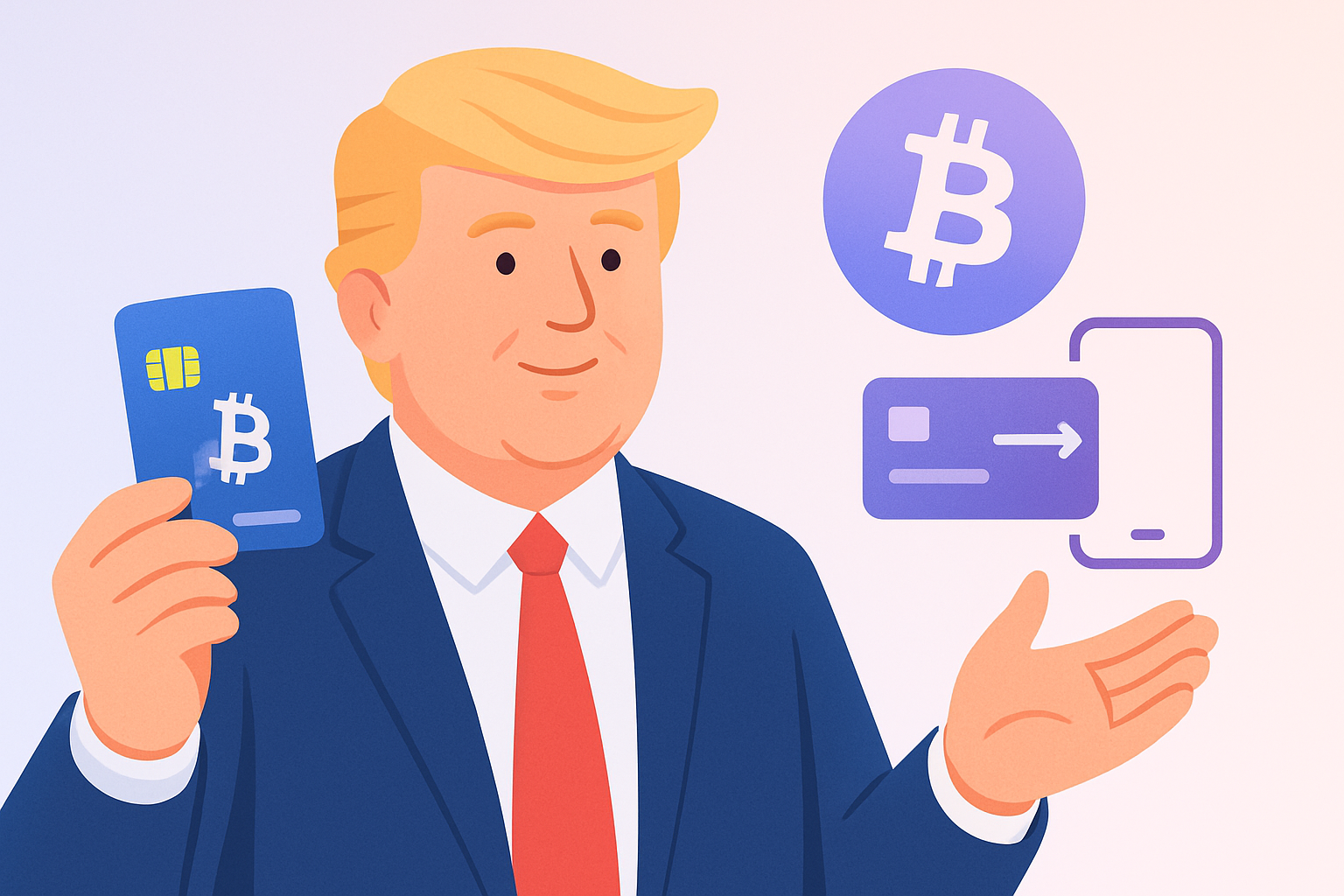
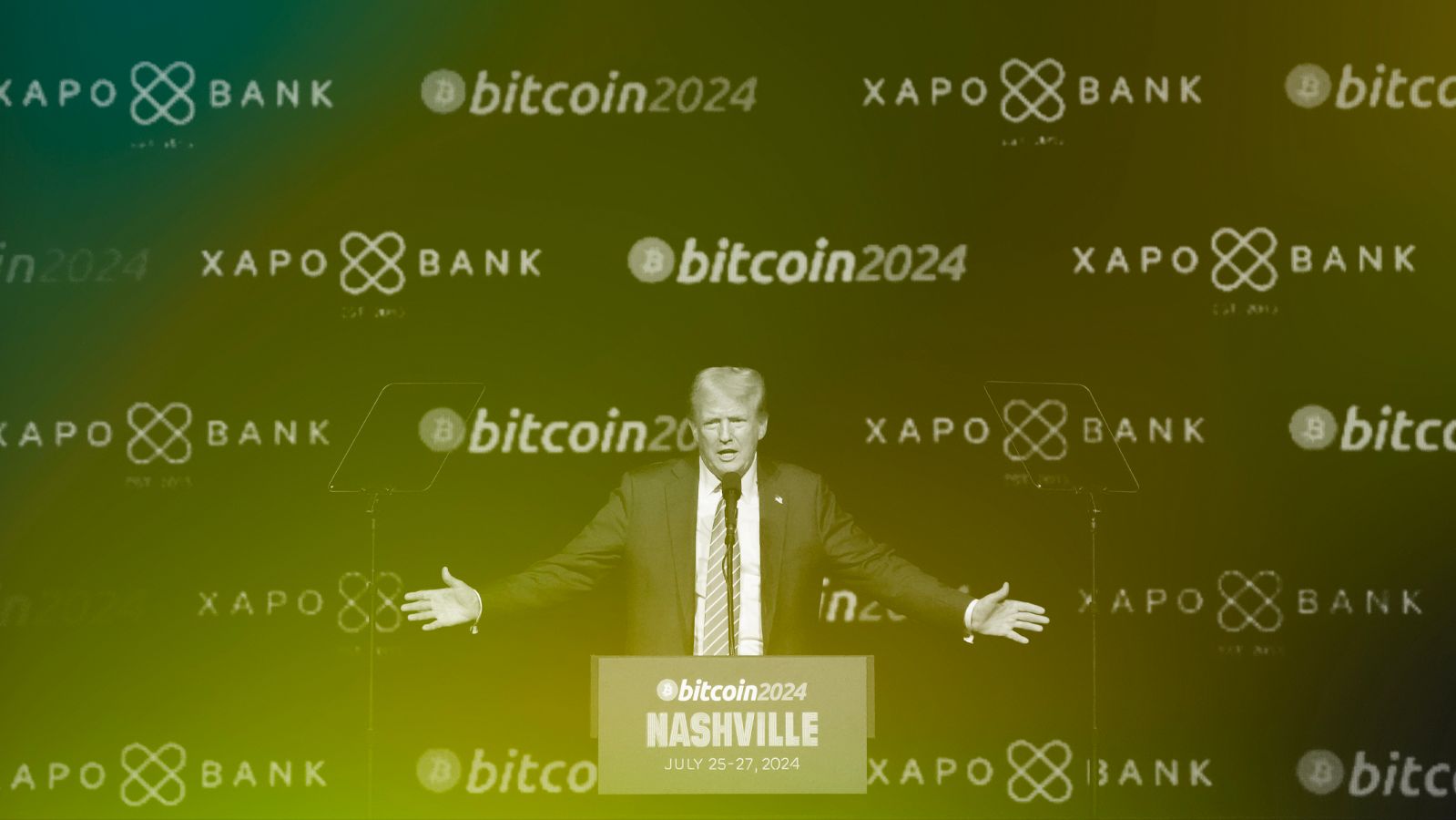
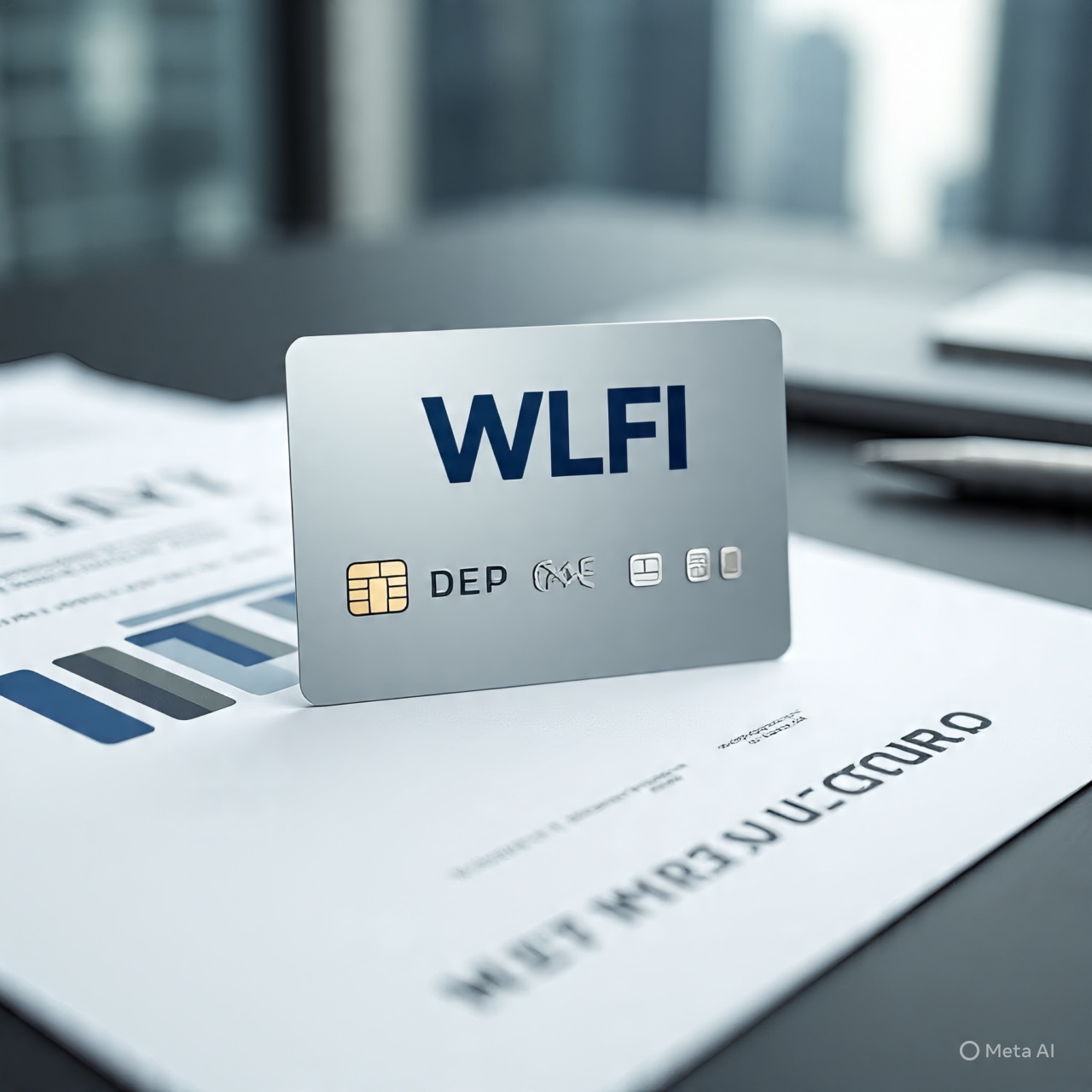
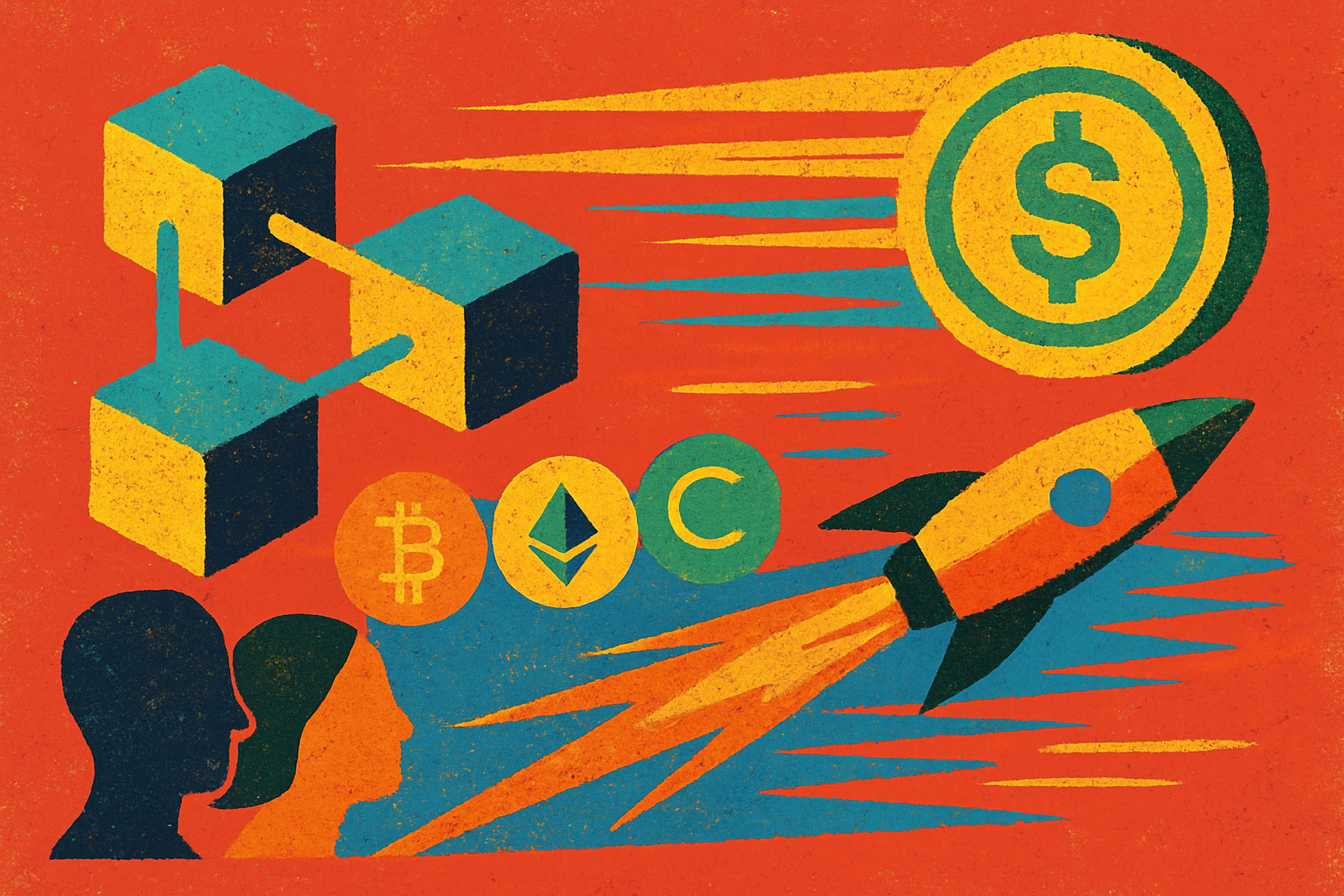
World Liberty Financial (WLFI), a cryptocurrency venture with direct backing from the Trump family, is set to redefine how Americans interact with digital assets in daily life. Announced at the TOKEN2049 conference in Singapore, WLFI’s upcoming crypto debit card aims to bridge the gap between crypto holdings and everyday purchases. As crypto spending inches closer to mainstream adoption, this initiative could mark a pivotal moment for onboarding new users in 2025.
Trump Crypto Debit Card: What’s Actually Changing?
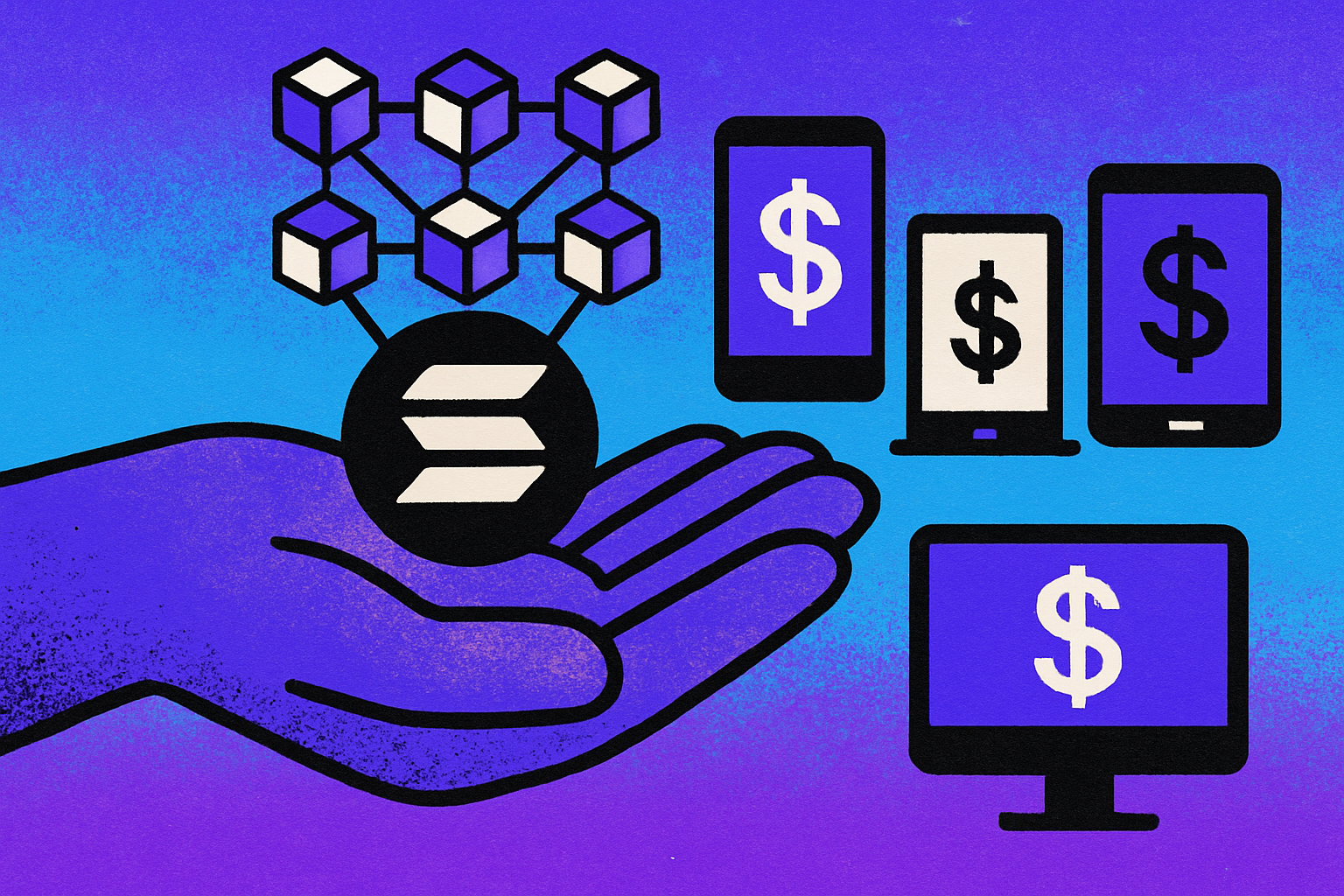
The core promise of the WLFI debit card is simple but transformative: seamless spending of cryptocurrencies for routine transactions. Unlike prior attempts by fintech firms or exchanges, this card is designed from inception to be compatible with Apple Pay and linked directly to WLFI’s USD1 stablecoin. This means users can spend their digital dollars as easily as fiat currency, thanks to real-time conversion at the point of sale.
CEO Zach Witkoff has confirmed that a pilot program will launch next quarter, with full-scale rollout expected by late 2025 or early 2026 (Reuters). The timing aligns closely with regulatory shifts: President Trump signed the GENIUS Act in July 2025, establishing clear frameworks for stablecoins like USD1. Under this law, all stablecoins must be backed by liquid assets such as U. S. dollars and Treasury bills with monthly public reserve disclosures (Reuters). This regulatory clarity is essential for consumer trust and institutional participation.
How Does Crypto Onboarding Look in 2025?
The onboarding experience for new crypto users has historically been fragmented - requiring multiple apps, exchanges, and sometimes even hardware wallets. WLFI’s approach signals a shift toward integrated platforms. Their retail app will combine peer-to-peer payments and trading features within a single interface (Coindesk), lowering technical barriers for first-timers.
This convergence is likely to accelerate mainstream adoption. For many Americans still wary of self-custody or complex wallet management, using a familiar debit card format could be the catalyst that brings millions into the crypto economy without steep learning curves or security risks.
Key Benefits of the Trump Crypto Debit Card
- Seamless Crypto-to-Fiat Spending: The WLFI debit card enables users to spend cryptocurrencies like stablecoins (e.g., USD1) directly at retail locations, bridging the gap between digital assets and everyday purchases without manual conversion.
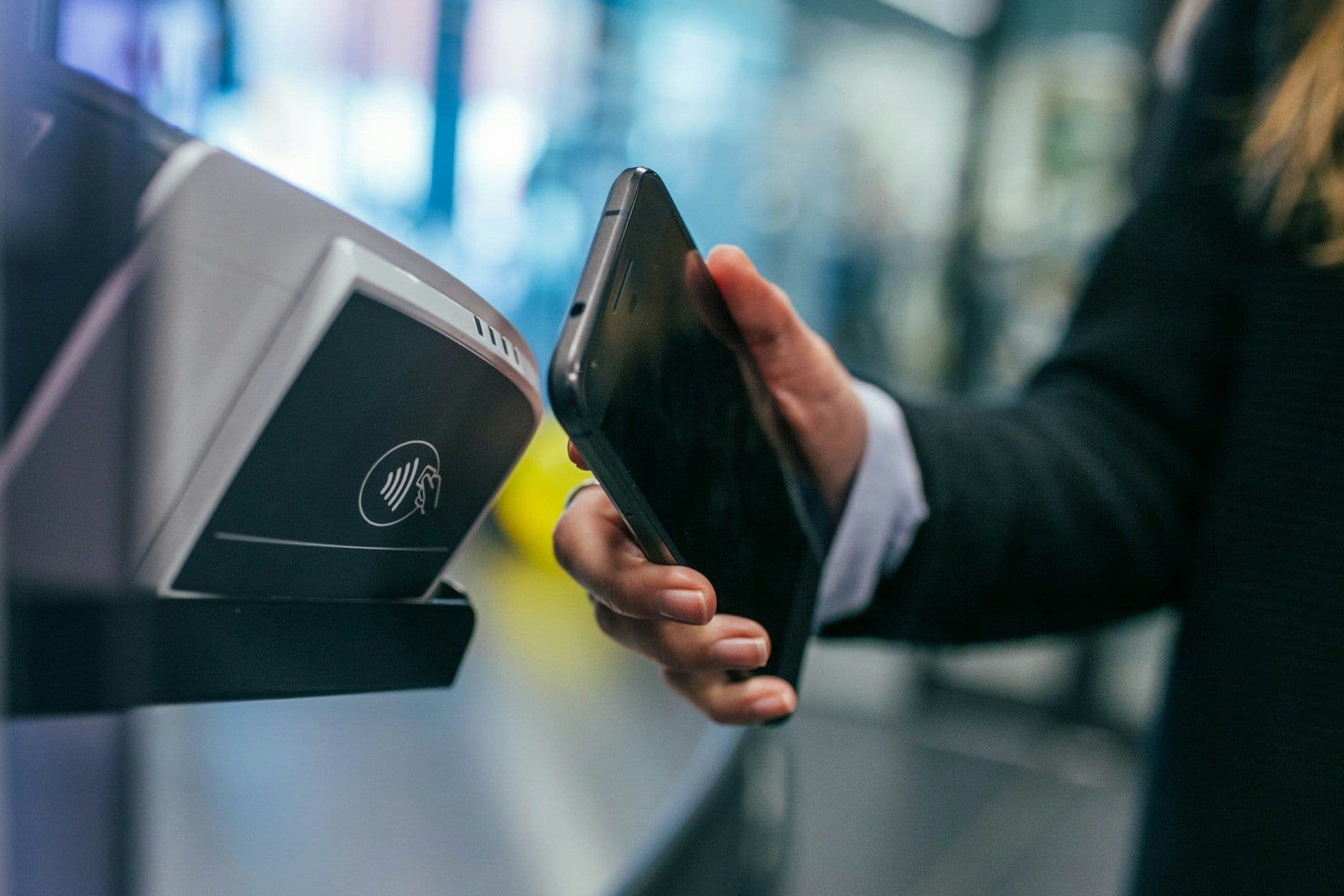
- Apple Pay Integration: The card will integrate with Apple Pay, allowing users to make contactless payments using their crypto balances, a feature not commonly available with traditional bank cards.
- Regulatory Compliance and Transparency: Backed by the GENIUS Act signed in July 2025, stablecoins like USD1 used with the card are required to be fully backed by U.S. dollars and Treasury bills, with monthly public reserve disclosures—offering enhanced trust compared to some traditional banking cards.
- Reduced Reliance on Traditional Banks: By enabling direct crypto spending, users can bypass conventional banking rails, reducing dependency on banks for daily transactions and potentially lowering associated fees.
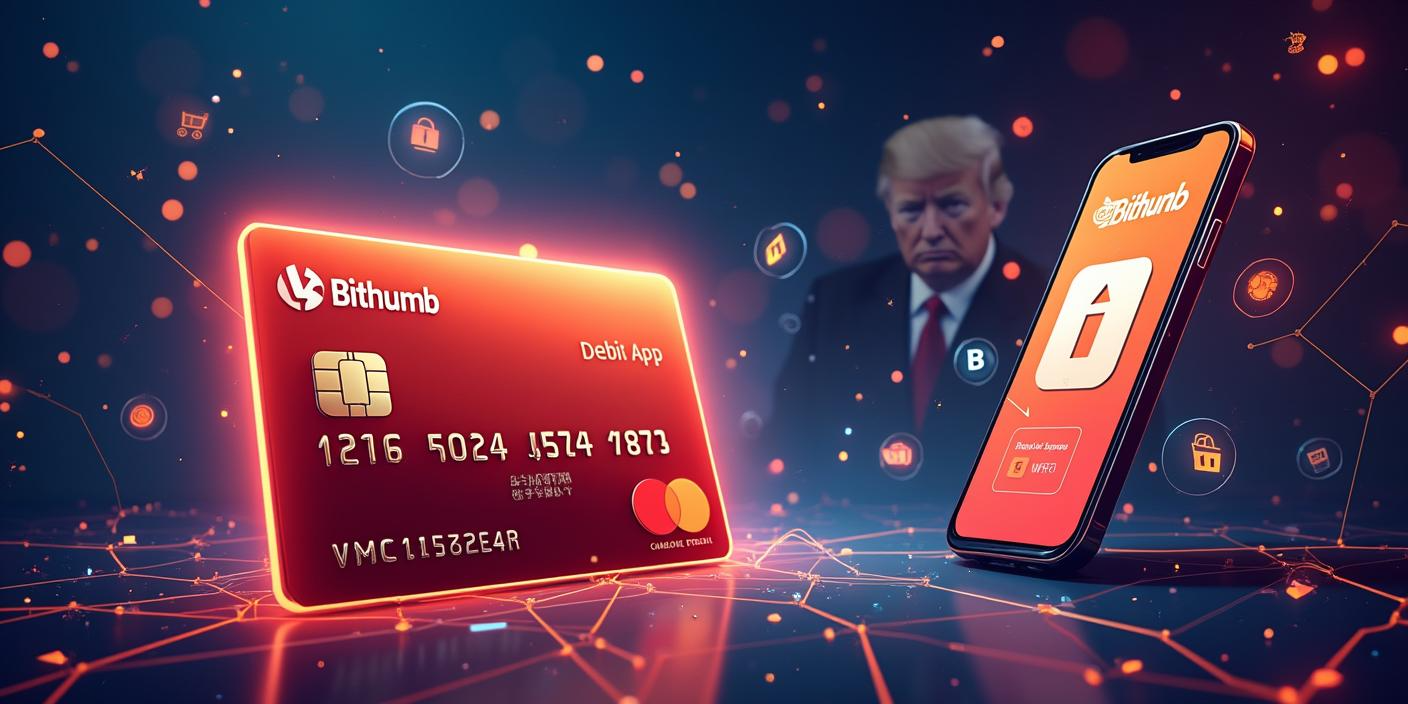
- Peer-to-Peer Payments and Trading Features: The upcoming WLFI retail app will combine debit card functionality with peer-to-peer payments and trading, providing a comprehensive financial platform that traditional cards do not offer.
Tokenized Assets and Mainstream Spending: What’s Next?
The implications go beyond just spending stablecoins at coffee shops. WLFI has signaled plans to expand into tokenized commodity assets - think gold or oil tokens - which could eventually be spent or traded through the same ecosystem. This evolution would transform not just how we spend but also how we invest and diversify within everyday financial tools.
For now, all eyes are on the pilot program rollout and its ability to deliver on these promises. The success of this initiative could set benchmarks for other financial institutions considering similar integrations as regulatory certainty increases under current U. S. administration policies.
Another crucial aspect for users is the integration with Apple Pay, which positions the Trump crypto debit card as a plug-and-play solution for both online and in-person transactions. This removes friction from the user experience, making crypto spending indistinguishable from traditional card payments. Such seamlessness is pivotal: it reduces hesitation and increases confidence among those new to digital assets.
Security and transparency are also at the forefront. The GENIUS Act’s monthly reserve disclosures provide a level of oversight that was previously absent in stablecoin projects. Consumers will know that their USD1 holdings are fully backed by U. S. dollars or Treasury bills, addressing long-standing concerns about stablecoin solvency and risk. As regulatory guardrails become more robust, expect to see broader institutional support for products like WLFI’s debit card.
How Will This Affect Everyday Crypto Spending?
The real-world impact will be felt in how easily users can go from holding crypto to actually using it for daily needs. No more convoluted conversions or waiting periods, just swipe, tap, and pay. For freelancers, gig workers, or anyone paid in digital assets, this means instant liquidity without relying on centralized exchanges or slow banking rails.
Cryptocurrency and Stablecoin Price Comparison: Real-Time Data (2025)
Comparing the stability of USD1 and other major cryptocurrencies to highlight the utility of crypto debit cards for everyday spending.
| Asset | Current Price | 6 Months Ago | Price Change |
|---|---|---|---|
| USD1 Stablecoin (USD1) | $1.00 | $1.00 | +0.0% |
| Bitcoin (BTC) | $119,962.00 | $81,024.00 | +48.1% |
| Ethereum (ETH) | $4,443.25 | $2,178.17 | +104.0% |
| Tether (USDT) | $1.00 | $1.00 | +0.0% |
| USD Coin (USDC) | $0.9998 | $1.00 | -0.0% |
| Binance Coin (BNB) | $1,058.25 | $586.07 | +80.5% |
| Solana (SOL) | $227.24 | $130.40 | +74.3% |
| XRP (XRP) | $3.00 | $2.06 | +45.6% |
Analysis Summary
Stablecoins like USD1, USDT, and USDC have maintained their value at $1.00 over the past six months, demonstrating minimal volatility and making them ideal for real-world spending via crypto debit cards. In contrast, major cryptocurrencies such as Bitcoin, Ethereum, and Binance Coin have experienced significant price appreciation, highlighting both their growth potential and volatility. The introduction of crypto debit cards, especially those linked to stablecoins, enables users to manage and spend their digital assets with the stability of fiat currencies while retaining the flexibility of the crypto ecosystem.
Key Insights
- Stablecoins (USD1, USDT, USDC) have maintained a near-perfect peg to the US dollar, showing virtually no price fluctuation over six months.
- Bitcoin, Ethereum, and Binance Coin have seen substantial growth, with Ethereum more than doubling in value (+104.0%) and Bitcoin rising by +48.1%.
- The stability of USD1 and other major stablecoins makes them well-suited for debit card integration, providing predictable value for everyday transactions.
- Crypto debit cards linked to stablecoins can help users avoid the volatility associated with traditional cryptocurrencies when spending in real-world scenarios.
All prices and percentage changes are sourced directly from the provided real-time market data as of October 2, 2025. The table compares current and 6-month historical prices to illustrate both stability and volatility among major cryptocurrencies and stablecoins.
Data Sources:
- Main Asset: https://www.coinbase.com/converter/usd1/2025
- Bitcoin: https://www.btcexpanse.com/price-analysis-january-6th-2025-btc-xrp-eth-bnb-sol-and-doge/
- Ethereum: https://www.btcexpanse.com/price-analysis-january-6th-2025-btc-xrp-eth-bnb-sol-and-doge/
- Tether: https://www.forbes.com/advisor/investing/cryptocurrency/top-10-cryptocurrencies/
- USD Coin: https://www.forbes.com/advisor/investing/cryptocurrency/top-10-cryptocurrencies/
- Binance Coin: https://www.btcexpanse.com/price-analysis-january-6th-2025-btc-xrp-eth-bnb-sol-and-doge/
- Solana: https://www.btcexpanse.com/price-analysis-january-6th-2025-btc-xrp-eth-bnb-sol-and-doge/
- XRP: https://www.btcexpanse.com/price-analysis-january-6th-2025-btc-xrp-eth-bnb-sol-and-doge/
Disclaimer: Cryptocurrency prices are highly volatile and subject to market fluctuations. The data presented is for informational purposes only and should not be considered as investment advice. Always do your own research before making investment decisions.
For those considering onboarding into crypto in 2025, the landscape is dramatically different from just a few years ago. The combination of regulatory certainty, mainstream payment integration, and user-friendly apps lowers both perceived and actual risks. This could be the inflection point where crypto spending finally achieves parity with legacy financial tools.
What Should Users Watch Out For?
While the Trump crypto debit card offers significant advantages, users should remain aware of potential pitfalls:
- Fees: While WLFI has not yet disclosed their fee structure, users should compare it to existing fintech cards.
- KYC/AML Requirements: Expect robust identity verification processes due to compliance with U. S. law.
- Stablecoin Volatility: Although USD1 is pegged to the dollar, operational risks still exist, always review monthly reserve reports before holding significant balances.
Would you use a Trump-backed crypto debit card for daily spending?
World Liberty Financial, backed by the Trump family, is launching a crypto debit card that lets you spend digital assets for everyday purchases. With stablecoin support and Apple Pay integration, this could make crypto spending easier than ever. Would you give it a try?
This new wave of products is not just about convenience; it’s about shifting power dynamics in finance. By allowing direct peer-to-peer payments and tokenized asset integration within a single ecosystem, WLFI could redefine what financial sovereignty means for everyday Americans.
The next six months will be critical as pilot programs launch and user feedback rolls in. If successful, expect competitors to follow suit, potentially ushering in an era where your digital wallet holds not just cash equivalents but tokenized commodities ready for instant use at any checkout line.


No comments yet. Be the first to share your thoughts!