
Brazil is making bold moves in the world of crypto regulation, and if you’re thinking about onboarding in 2025 or beyond, you’ll want to know what’s changing. The Central Bank’s fresh regulations are set to reshape how new users enter Brazil’s digital asset markets. This isn’t just another bureaucratic shuffle - it’s a major shift that will touch everything from stablecoin swaps to how you prove your identity when signing up for a crypto service.

Brazil’s 2025 Crypto Regulations: What You Need to Know
Let’s break down what’s happening. The Central Bank of Brazil is tightening the rules for virtual assets, aiming to cut down on scams and money laundering while making the space safer for everyone. Starting February 2026, all Virtual Asset Service Providers (VASPs) will need official authorization from the Central Bank before they can operate.
But that’s just the start. These regulations extend anti-money laundering (AML) and counter-terrorism financing (CTF) requirements directly to crypto platforms. Translation? When you sign up for a new exchange or wallet, expect more rigorous checks than ever before. Advanced digital identity verification and even biometric authentication are on the table, making onboarding both more secure and, yes, potentially more time-consuming.
Onboarding Gets Serious: KYC Goes Next-Level
If you’re a newcomer hoping for a quick sign-up and instant trading access, prepare for a different experience in 2025-2026. The new rules mandate robust Know Your Customer (KYC) procedures across all regulated platforms. Here’s what that means in practice:
- Stricter Identity Verification: Expect to provide not just basic ID scans but also advanced digital proof - think facial recognition or fingerprint scans.
- More Documentation: Proof of address, source of funds, and even tax declarations may become standard during onboarding.
- Slower Activation: Instant account activation could be replaced by multi-step verification processes, especially if you plan to move significant amounts or use stablecoins.
The goal? To ensure that only legitimate users access Brazil’s crypto markets - but it also means newcomers should be ready for extra paperwork and longer wait times before trading their first satoshi or real-backed stablecoin.
Stablecoins Under the Microscope: Foreign Exchange Rules Kick In
The most headline-grabbing change is how Brazil now treats stablecoin transactions. From February 2026 onward, swapping stablecoins for fiat will be considered a foreign exchange operation. That might sound technical, but it has real consequences for users:
- Extra Disclosures: You’ll likely need to declare cross-border transactions and report capital flows when moving between stablecoins and reais.
- Tighter Oversight: Stablecoin trades will fall under foreign exchange laws designed to prevent tax evasion and money laundering.
- Banks Get Involved: Some operations may require traditional bank approval or additional compliance checks before funds are released or received.
This reclassification aims to close loopholes where users could previously sidestep regulated systems using dollar-pegged tokens like USDT or USDC. For new users, it means onboarding isn’t just about passing KYC - it also involves understanding which transactions trigger foreign exchange reporting obligations right from day one.
So, what does this all mean for someone just getting started? The landscape is evolving fast, and the onboarding journey will look a lot more like opening a bank account than signing up for a new app. While it might feel daunting, these changes are designed to make the market safer and more transparent for everyone involved. The days of anonymous trading are fading in Brazil, replaced by a system where every user’s identity and funds are traced from the outset.
Top Onboarding Tips for New Crypto Users in Brazil (2025)
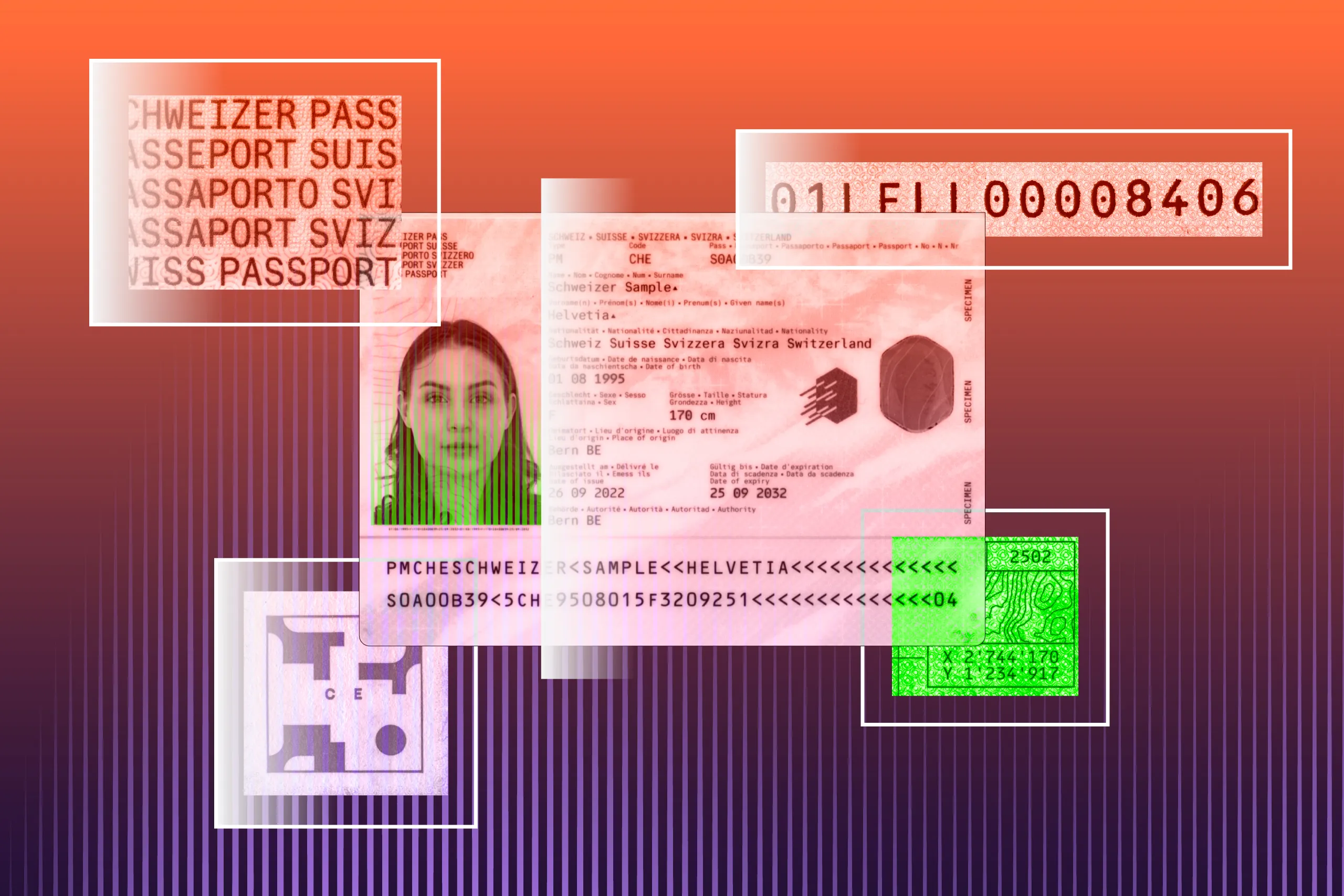
- Prepare Your Official Documents: Have your CPF (Cadastro de Pessoas Físicas), government-issued ID, and proof of address ready. VASPs like Mercado Bitcoin and Binance will require these for KYC under the new regulations.
- Understand Stablecoin Rules: Transactions with stablecoins (like USDT or USDC) are now classified as foreign exchange operations. Expect extra disclosures and reporting, especially for cross-border transfers or large trades.
- Use Licensed Platforms Only: Ensure your chosen exchange or wallet provider is authorized by the Banco Central do Brasil. Check the provider’s status on the Central Bank’s official website or look for compliance badges on platforms like Mercado Bitcoin and Binance.

- Familiarize Yourself with AML/CFT Policies: Review the platform’s anti-money laundering (AML) and counter-terrorism financing (CFT) policies. Leading platforms will clearly outline these during onboarding—read them to understand your responsibilities and limits.
- Keep Tax and Reporting Deadlines in Mind: For capital-market and cross-border crypto operations, mandatory reporting starts May 4, 2026. Track your transactions and consult resources from Receita Federal to stay compliant.
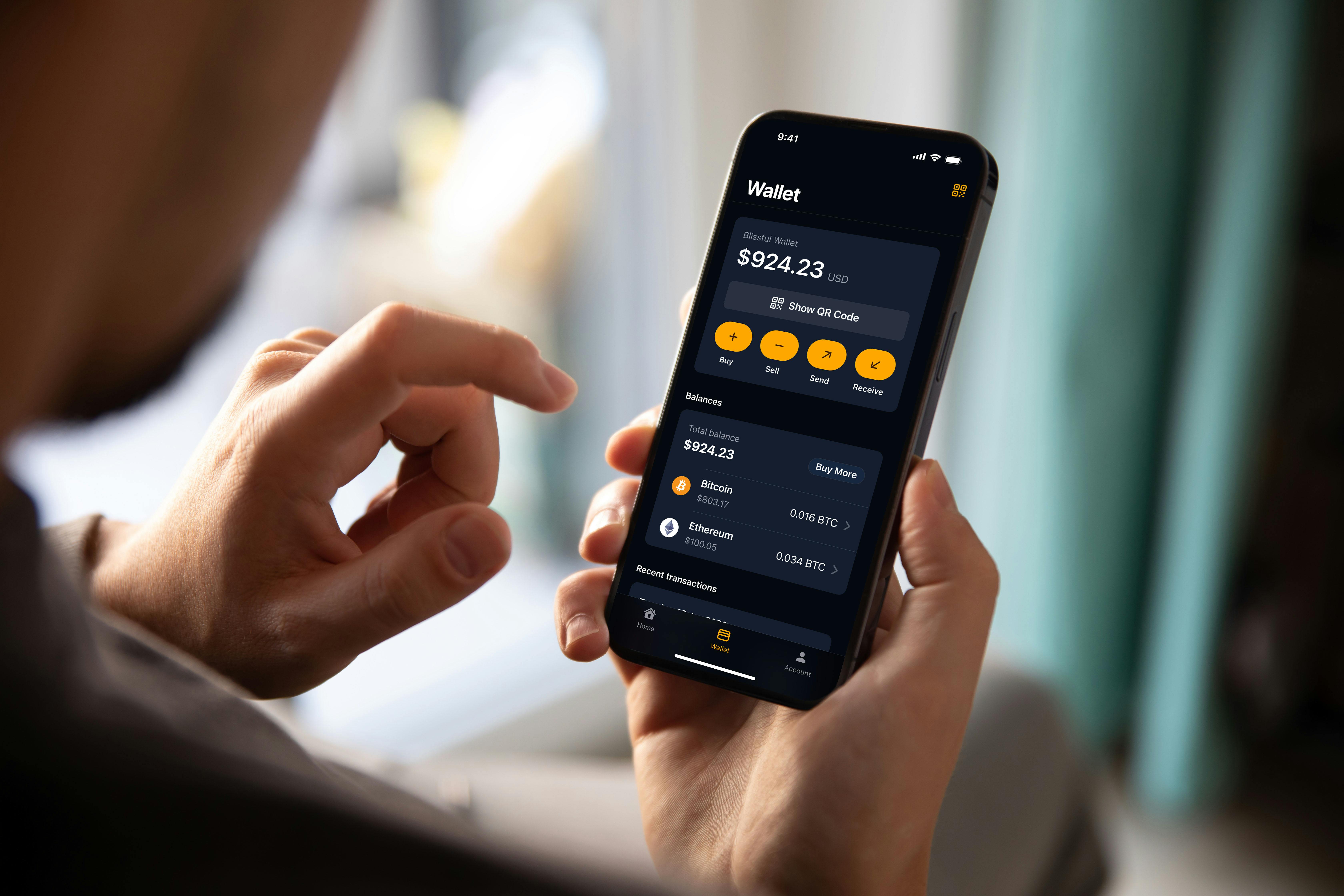
For many crypto newcomers, the challenge will be adapting to the added friction without getting discouraged. Here’s where doing your homework pays off: get familiar with which documents you’ll need, understand how to verify your digital identity, and keep an eye on which platforms are fully authorized by the Central Bank. It’s also wise to stay updated on what counts as a foreign exchange transaction, especially if you’re planning to use stablecoins or move funds internationally.
Opportunities and Growing Pains: What Newcomers Should Expect
While some see these regulations as hurdles, others view them as opportunities. Platforms that nail compliance early will likely attract users who value security and peace of mind. This could lead to better customer support, clearer onboarding instructions, and even innovative fintech solutions tailored for Brazil’s unique regulatory environment.
However, expect some growing pains along the way, especially as exchanges and wallets update their processes to meet Central Bank standards. There may be delays or confusion during the transition period in early 2026. Patience will be key, but so will persistence: once you’re through the checks and verifications, you’ll have access to one of Latin America’s most dynamic crypto markets.
The Bottom Line: A Safer Yet More Complex Onboarding Path
Brazilians are no strangers to rapid innovation, and these new crypto rules reflect both ambition and caution from regulators. For new users entering the space in 2025-2026, onboarding will be more secure but undeniably more complex. You’ll need patience (and paperwork), but you’ll also gain greater protection against fraud and shady operators.
The best advice? Stay informed, choose reputable platforms that prioritize compliance, and don’t let initial complexity deter you from exploring digital assets. With preparation, and maybe a little help from guides like this one, you can navigate Brazil’s new crypto frontier confidently.



No comments yet. Be the first to share your thoughts!