
The crypto landscape in 2025 is being transformed by a force too significant to ignore: the explosive rise of asset tokenization. With over $25 billion in real-world assets (RWAs) already tokenized and credible forecasts projecting a leap from $0.6 trillion in 2025 to nearly $19 trillion by 2033, this trend is not just a passing phase. It’s reshaping how new investors approach onboarding, making crypto more accessible, practical, and appealing than ever before.
The Tokenization Boom: Why 2025 Is a Turning Point
Until recently, crypto onboarding was synonymous with navigating volatile coins or deciphering DeFi protocols. Now, thanks to rapid advances in tokenization technology and regulatory clarity, the market is seeing an influx of assets like private credit ($14.7 billion) and U. S. Treasuries ($7.5 billion) being represented on-chain. Platforms such as Figure Protocol and BlackRock’s BUIDL fund are leading this charge, offering investors exposure to everything from real estate to corporate bonds in digital form.
This shift isn’t just about new investment options; it’s about lowering the barriers for entry. Tokenized assets are familiar, they represent things people already understand, yet they bring the advantages of blockchain: transparency, fractional ownership, and near-instant settlement.
How Tokenization Is Making Crypto Onboarding Easier for Beginners
One of the most profound impacts of the tokenization boom is its ability to demystify crypto for newcomers. Instead of wrestling with abstract concepts or speculative meme coins, new investors can now buy digital representations of tangible assets, think property shares or government bonds, using familiar processes.
- Fractional Ownership: No need to buy an entire property or bond; you can own just a fraction via tokens.
- Streamlined KYC: Platforms are integrating traditional finance tooling like automated KYC (Know Your Customer) checks and compliance processes.
- Lower Minimums: Tokenized assets often require much smaller minimum investments than their traditional counterparts.
- Simplified Wallets: User-friendly wallets now support multiple asset types, from stablecoins to tokenized treasuries, in one interface.
This convergence makes onboarding less intimidating for first-timers while still giving seasoned investors more sophisticated tools for diversification.
Banks and Institutions Are Driving Mainstream Adoption
The involvement of major banks and financial institutions is accelerating mainstream adoption at an unprecedented pace. Not only are banks launching their own digital asset divisions, but they’re also collaborating with blockchain platforms to offer tokenized versions of traditional securities. This hybrid approach bridges the gap between legacy finance and decentralized infrastructure, providing both security and speed.
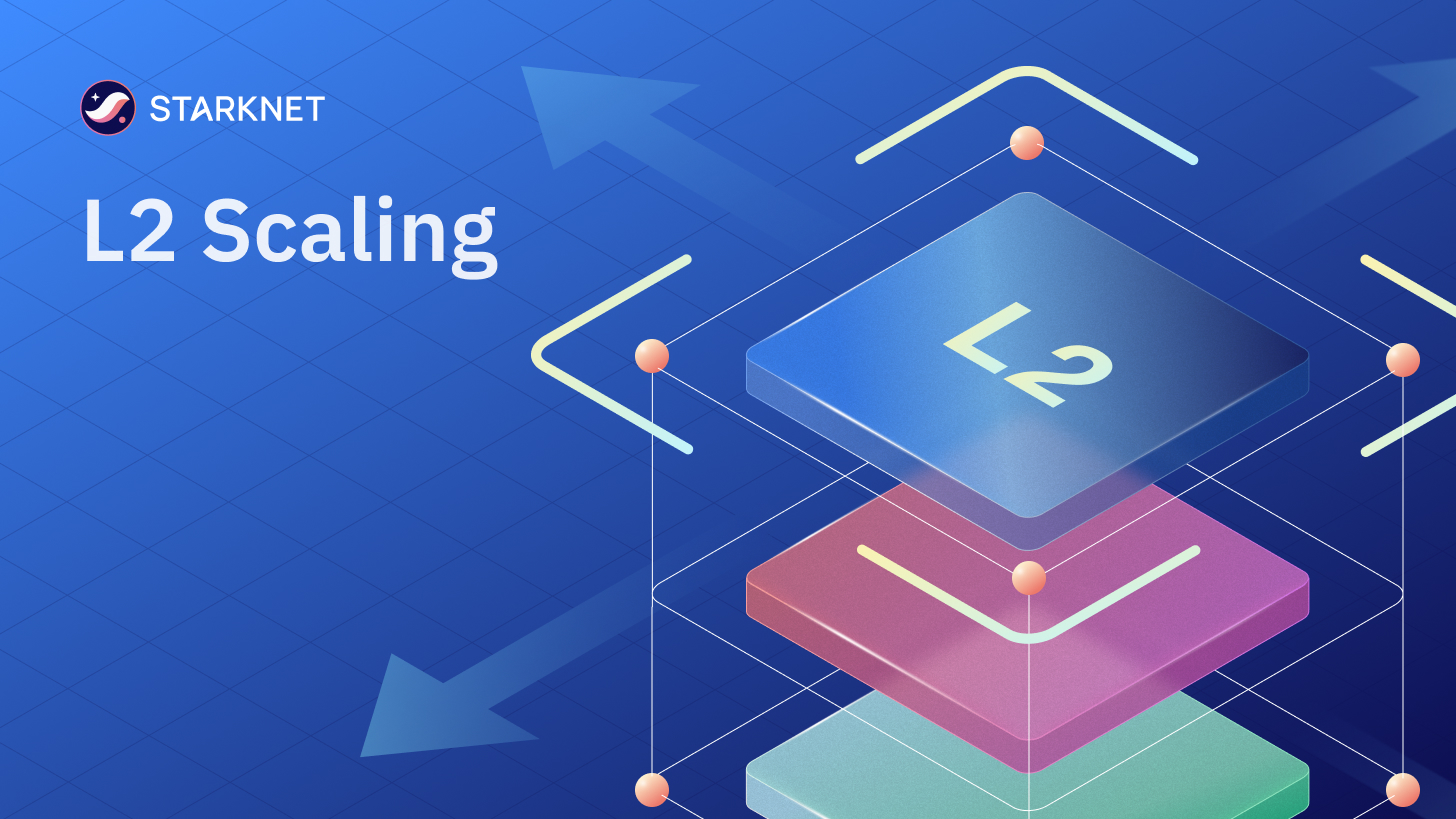
For example, Ethereum’s Layer-2 solutions like Arbitrum and Polygon have dramatically reduced transaction costs while enabling faster settlements. These technical improvements mean that banks can confidently tokenize large-scale assets without sacrificing efficiency or compliance standards.
The result? New investors get access to vetted products backed by household names, and they can onboard using interfaces that feel as intuitive as online banking apps.
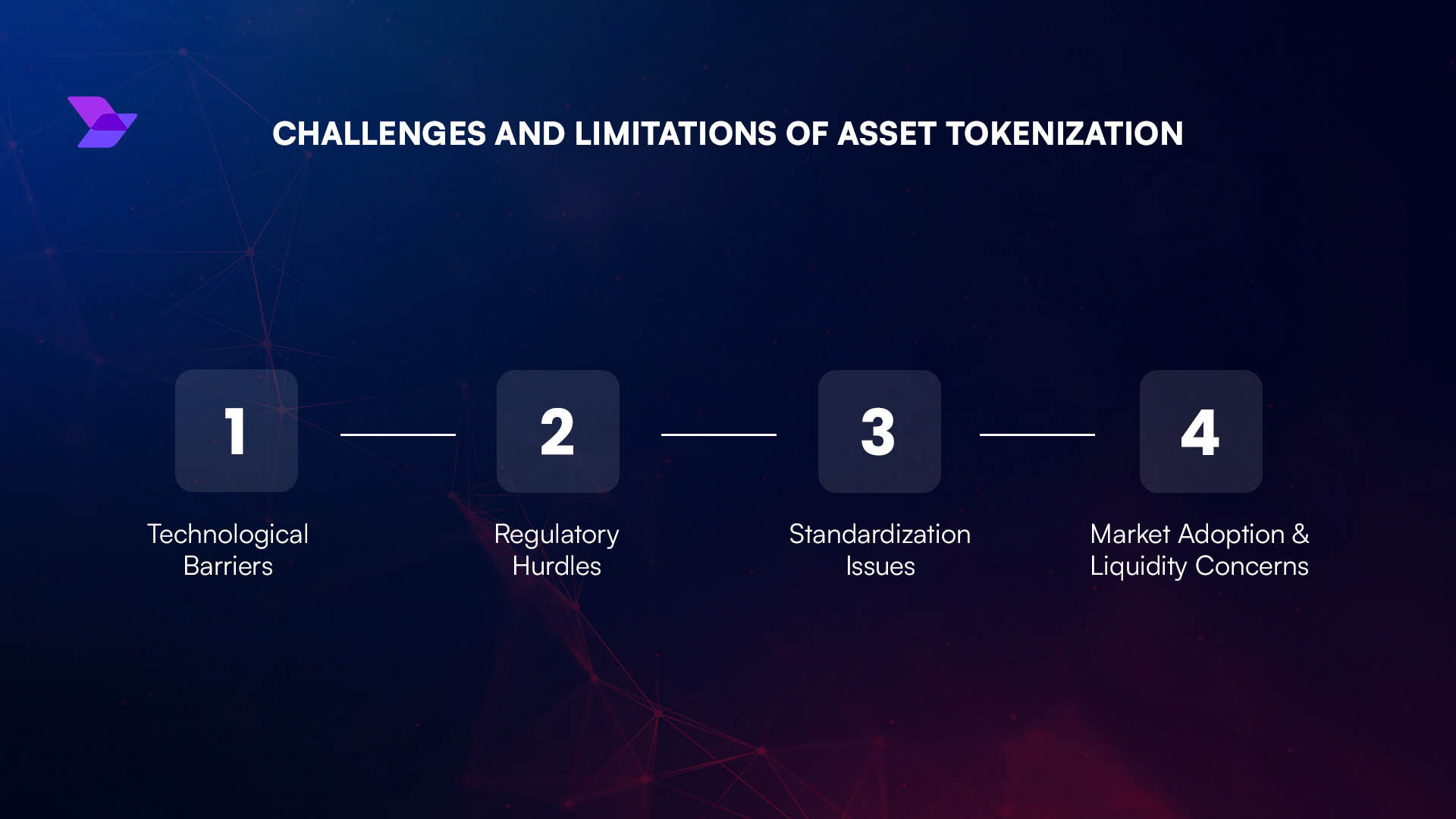
Still, the road to a $19 trillion tokenization market is not without obstacles. Regulatory bodies such as the International Organization of Securities Commissions (IOSCO) have flagged important risks, including uncertainties around asset ownership and the reliability of third-party token issuers. For new investors, these concerns highlight the need for careful due diligence and a clear understanding of what’s actually being purchased when buying a tokenized asset.
Yet, even with these growing pains, the advantages are hard to ignore. Tokenization is already lowering settlement times from days to minutes and making once-illiquid assets tradable around the clock. Stablecoins are further reducing cross-border transfer costs and streamlining global payments. This efficiency, paired with enhanced transparency from blockchain records, is helping to build trust, an essential ingredient for onboarding both retail and institutional investors.
What Every New Investor Should Know About Tokenized Assets
If you’re considering your first step into this rapidly evolving space, here are some fundamentals to keep in mind:
Essential Tips for New Crypto Investors in Tokenized Assets
- Understand What You’re Buying: Each tokenized asset represents a real-world asset—like U.S. Treasuries, private credit, or real estate—on the blockchain. Platforms such as BlackRock’s BUIDL fund and Figure Protocol make these accessible, but always research the underlying asset and its issuer.
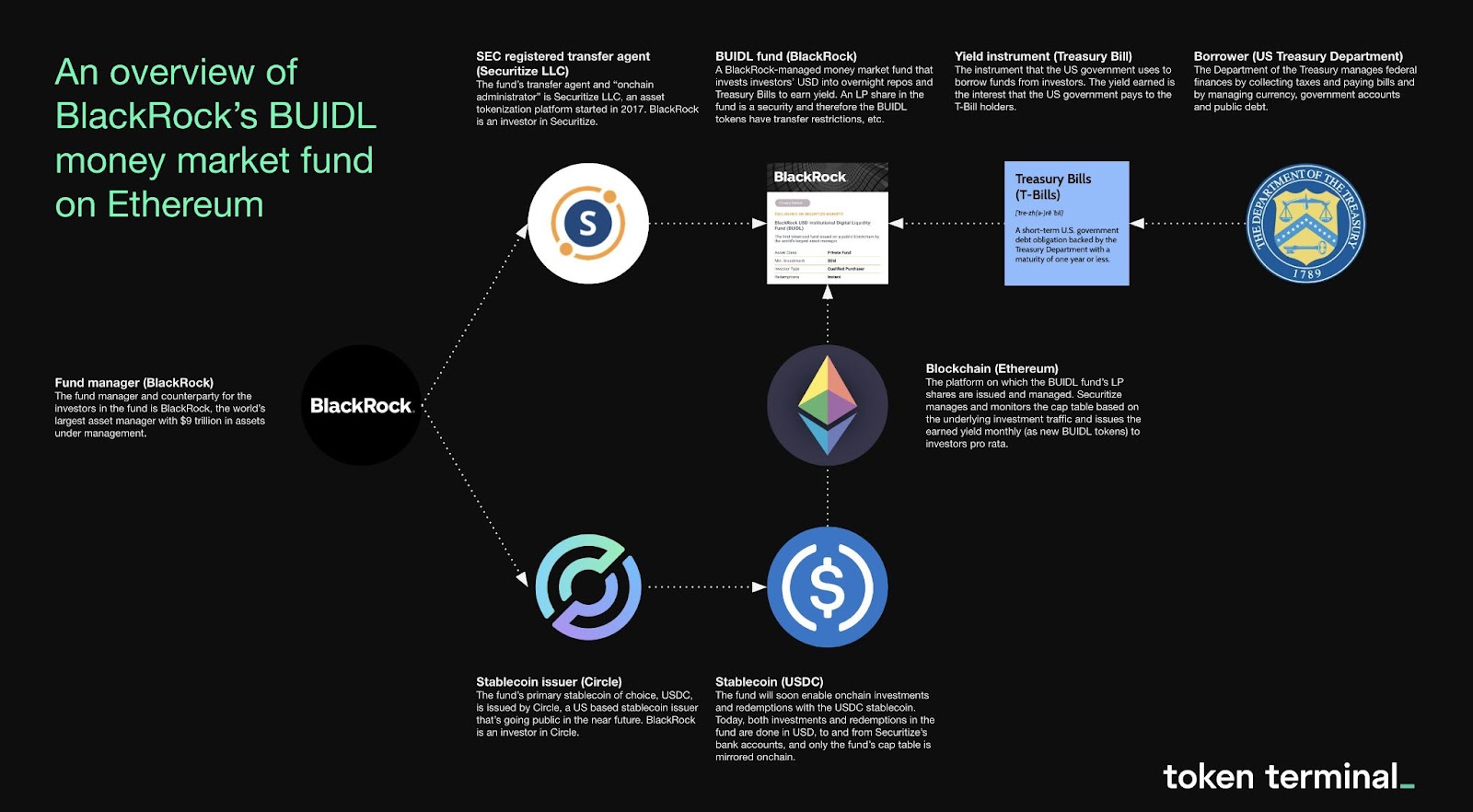
- Choose Reputable Platforms: Use established platforms like Ethereum (with Arbitrum or Polygon Layer-2 solutions), Figure Protocol, or Ondo Finance for buying and managing tokenized assets. These platforms offer enhanced security, liquidity, and lower transaction costs.
- Check Regulatory Clarity: Regulatory frameworks are evolving. Look for assets and platforms that comply with guidance from organizations like IOSCO or local financial authorities to reduce legal and counterparty risk.
- Assess Liquidity and Settlement: Tokenized assets often offer greater liquidity and faster settlement than traditional assets. For example, tokenized U.S. Treasuries ($7.5 billion market in 2025) can be traded 24/7 on blockchain networks, improving flexibility for investors.
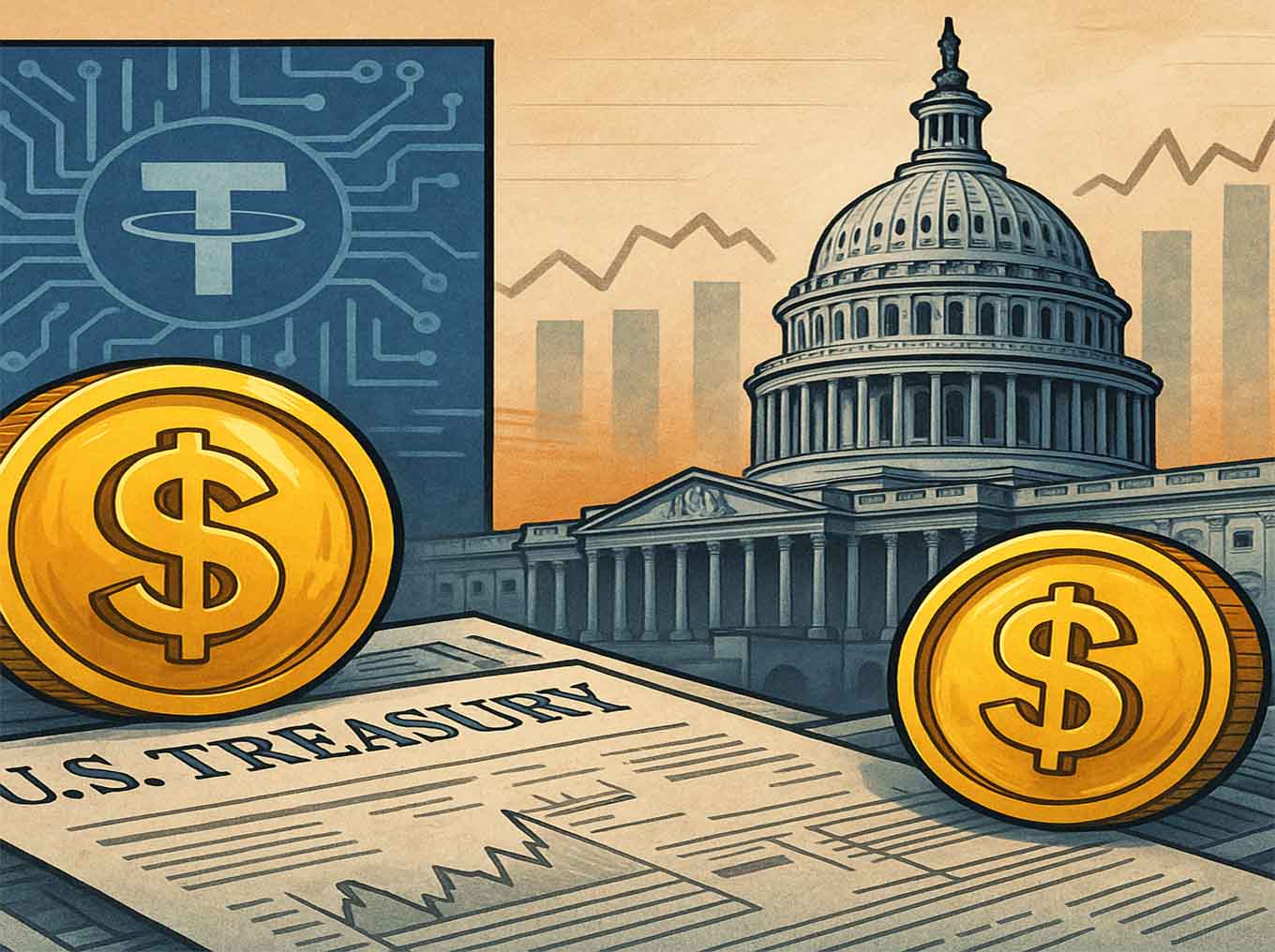
- Beware of Counterparty Risks: Understand who issues and manages your tokens. Third-party risk is real—ensure the issuer is credible and that ownership rights are clearly defined. Platforms like BlackRock and Figure are leading examples of institutional-grade offerings.
- Take Advantage of DeFi Integration: Many tokenized assets can be used in decentralized finance (DeFi) applications for lending, borrowing, or yield generation. Explore platforms like Aave or Compound that support tokenized real-world assets.
- Stay Informed on Fees and Costs: Layer-2 solutions like Polygon and Arbitrum help reduce transaction fees. Always check the total costs before investing or moving assets.
Understand what you own: Unlike traditional stocks or bonds held in your name at a brokerage, tokenized assets may come with unique custody arrangements or counterparty risks. Always review platform documentation and look for regulatory compliance signals.
Start small and diversify: The beauty of fractional ownership is that you can experiment with small amounts across multiple asset types, real estate tokens, government bonds, or even private credit, without overexposing yourself to any single risk.
Embrace education: Many leading platforms now offer robust onboarding resources tailored for beginners. Take advantage of walkthroughs, demo accounts, and community forums before committing real capital.
The Future: More Accessible, More Liquid, But Still Evolving
The coming years will see tokenization expand beyond finance into areas like healthcare data management, supply chain tracking, and intellectual property rights. As more real-world processes get digitized on-chain, expect an explosion of new investment opportunities, and new considerations around privacy and security.
For now, 2025 stands as a pivotal year where crypto onboarding has moved from niche technical exercise to mainstream financial activity. With $25 billion in RWAs already tokenized, and momentum building toward that projected $19 trillion by 2033, the landscape is fundamentally more welcoming to first-time investors than ever before.
If you’re new here: take your time. Explore platforms that prioritize transparency and compliance. Ask questions in communities and stay up-to-date on regulatory shifts. The world of tokenization is big enough for both cautious beginners and adventurous early adopters, and it’s only getting bigger.


No comments yet. Be the first to share your thoughts!