
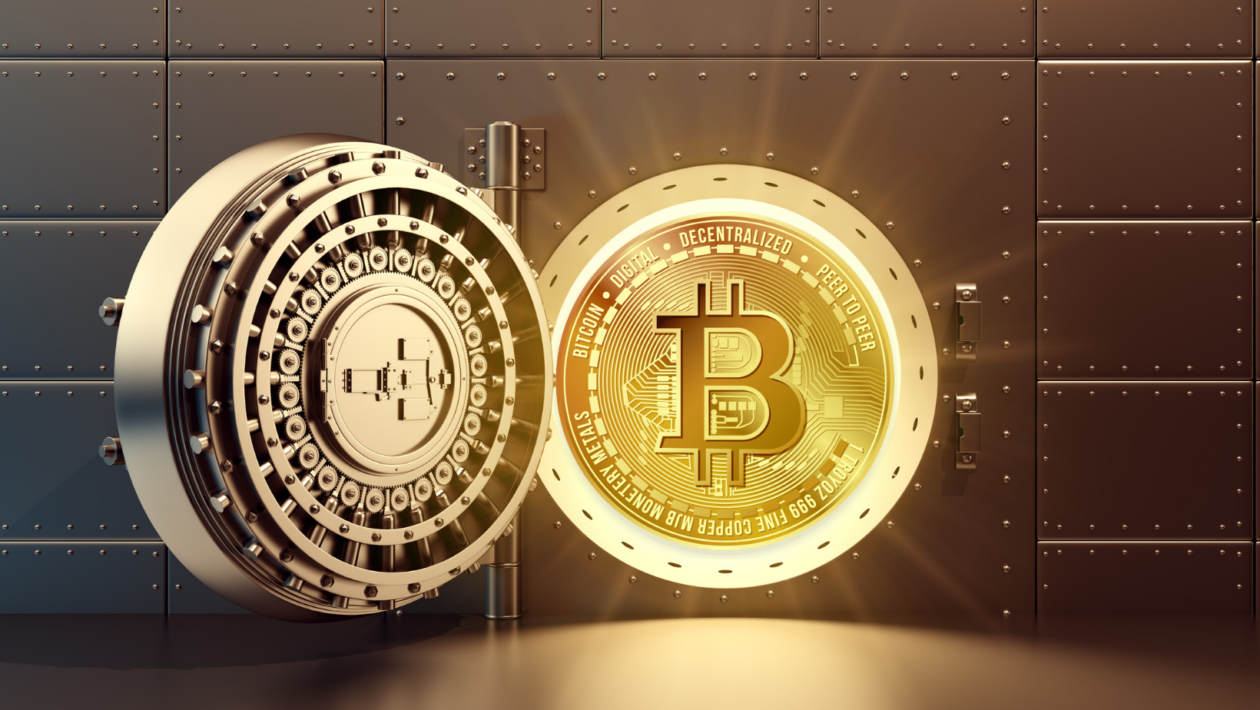
Japan is about to set a new global benchmark for crypto exchange safety, and the implications for both new and seasoned crypto buyers are substantial. Starting in 2025, Japan’s Financial Services Agency (FSA) will enforce strict liability reserve requirements for all cryptocurrency exchanges operating in the country. This move comes on the heels of several high-profile security breaches, including the ¥48.2 billion ($308.5 million) DMM Bitcoin hack in May 2024 and Bybit’s $1.46 billion loss earlier this year. These incidents have underscored the urgent need for robust user protection mechanisms in the digital asset space.
How Japan’s Reserve Mandate Works: The Numbers and Mechanics
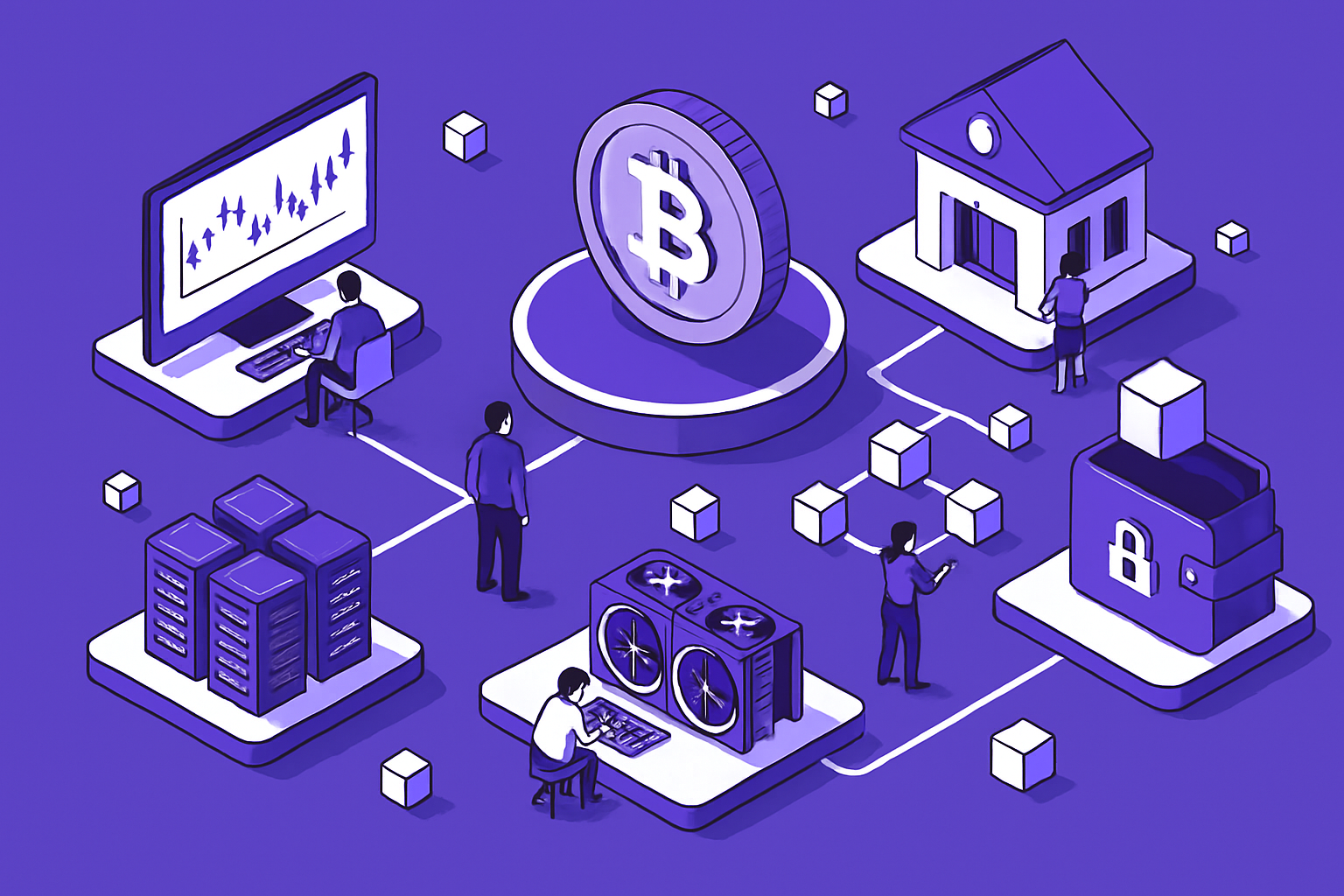
The FSA’s new policy requires exchanges to maintain liability reserves ranging from ¥2 billion to ¥40 billion (approximately $12.7 million to $255 million). The exact amount is determined by each exchange’s trading volume and risk profile, mirroring practices long established in Japan’s securities industry. This means that larger platforms with higher volumes, and presumably greater systemic risk, must hold proportionally larger reserves.
What does this look like in practice? If an exchange suffers a hack or operational failure, these reserves are earmarked to compensate affected users swiftly, minimizing the risk of customer losses or drawn-out insolvency proceedings. Exchanges can also partially fulfill these obligations through insurance policies, offering some flexibility while maintaining strict financial discipline.
Why Now? Lessons from Recent Crypto Exchange Failures
The timing of this regulatory overhaul is no accident. Japan’s crypto market has witnessed major losses due to cyberattacks and operational lapses over the past year. The DMM Bitcoin breach alone resulted in more than $308 million in lost assets, while Bybit’s February 2025 incident wiped out $1.46 billion, events that rattled user confidence across Asia.
These events have forced regulators worldwide to rethink how exchanges should be held accountable for safeguarding customer funds. By mandating liability reserves at levels comparable to traditional brokers, Japan aims to position itself as a leader in crypto investor protection and market stability.
What This Means for Crypto Buyers: Security, Trust, and Onboarding
For those new to cryptocurrency, or even experienced traders, the introduction of mandatory liability reserves fundamentally changes the landscape of crypto onboarding safety. In practical terms:
- User Protection: Buyers can expect exchanges to be better equipped financially if disaster strikes, reducing personal risk exposure.
- Market Confidence: Tighter regulations foster trust among retail investors who may have been wary after previous hacks.
- Smoother Onboarding: Newcomers benefit from clearer protections and processes that mirror familiar financial services standards.
This is part of a broader trend as Japan integrates cryptocurrencies more deeply into its financial system while prioritizing investor safeguards, an approach that could influence global regulatory standards going forward.
The Impact on Exchange Operations: Costs vs Confidence
The flip side is that these rules will increase operational costs for exchanges, especially smaller platforms with thinner margins, which may lead some operators to exit or consolidate. However, most analysts agree that this tradeoff is worthwhile if it means enhanced stability and protection for users.
If you’re considering buying crypto on a Japanese platform after 2025, you’ll be transacting within one of the world’s most tightly regulated environments, a significant advantage compared with many other jurisdictions still lacking such user protection measures.
For experienced crypto buyers, the reserve mandate may also change how you assess exchange risk. In the past, due diligence involved poring over opaque financials or relying on anecdotal trust. Now, the FSA’s requirements introduce a quantifiable baseline: exchanges must publicly demonstrate the ability to weather large-scale losses. This brings a level of transparency and predictability that was previously rare in digital asset markets.
It’s worth noting that while higher compliance costs could narrow the field of available exchanges, those that remain will likely be better capitalized and more resilient. This shift could encourage exchanges to invest further in robust cybersecurity and operational controls, as failing to do so would directly threaten their ability to meet reserve obligations.
What Should Crypto Buyers Do Next?Best Practices for Navigating Japan’s New Landscape
Whether you’re new to crypto or a seasoned investor, this evolving regulatory environment calls for a methodical approach:
- Verify Exchange Compliance: Before onboarding, confirm your chosen platform meets the FSA’s liability reserve standards.
- Monitor Announcements: Stay updated on which exchanges are adjusting operations or insurance policies to stay compliant.
- Diversify Storage: Even with stronger protections, consider using personal wallets for long-term holdings where possible.
- Review Onboarding Processes: Expect more thorough KYC/AML checks as part of enhanced compliance efforts.
If you’re looking for broader context on how Japan’s evolving regulatory framework could shape global trends and onboarding experiences, see our deep dive into Japan's stricter crypto regulations and their impact on onboarding.
Looking AheadWill Other Countries Follow?
Japan’s move is not just about domestic investor protection. By modeling its requirements after traditional financial sectors and responding decisively to recent high-profile hacks, the FSA is sending a clear message internationally. Other regulators are watching closely; we may soon see similar mandates in Europe or North America as authorities seek to restore confidence after years of volatility and scandal in crypto markets.
The bottom line: For anyone buying crypto in Japan after 2025, these reforms provide tangible safety nets without stifling innovation outright. As always, plan your trades carefully and prioritize platforms with proven compliance records, your capital will be safer for it.


No comments yet. Be the first to share your thoughts!