The new SEC crypto framework
The Securities and Exchange Commission (SEC) has issued a formal clarification on how federal securities laws apply to the digital asset ecosystem. This update, released in early 2026, targets specific on-chain activities that previously operated in a regulatory gray area. The agency’s guidance explicitly addresses airdrops, protocol mining, protocol staking, and the wrapping of non-security crypto assets.
For Bitcoin and Ethereum buyers, this framework establishes a clearer baseline for compliance. The SEC’s position distinguishes between activities that constitute securities offerings and those that are merely technical interactions with decentralized networks. By defining these boundaries, the regulator aims to reduce legal uncertainty for market participants while maintaining investor protections.
The clarification focuses on the economic substance of transactions rather than their technical form. For instance, the treatment of staking rewards and wrapped tokens now hinges on whether they involve an investment contract as defined by the Howey Test. This shift requires buyers and service providers to evaluate the specific mechanics of the protocols they interact with.
The document serves as a primary reference for understanding the current regulatory landscape. It does not create new laws but rather interprets existing statutes in the context of modern blockchain infrastructure. Buyers should consult the full SEC press release for detailed legal analysis and specific exemptions.
Read the SEC’s official clarification here
Bitcoin and Ethereum classification status
The 2026 SEC guidance establishes a definitive legal distinction between Bitcoin and Ethereum, resolving long-standing ambiguity for buyers. Under the new framework, Bitcoin retains its status as a commodity, not a security. This classification means Bitcoin transactions are not subject to the same registration requirements and prospectus disclosures mandated for securities offerings. The SEC's position reinforces that Bitcoin operates as a decentralized digital asset, distinct from traditional financial instruments.
Ethereum, however, faces a different regulatory path. While the SEC acknowledges Ethereum's evolution, it maintains that certain aspects of the network, particularly those involving staking and protocol governance, may fall under securities laws. This distinction creates a more complex compliance environment for Ethereum buyers and exchanges. The guidance clarifies that while the underlying asset may not always be a security, the mechanisms surrounding its acquisition and use often are.
This bifurcation impacts how buyers interact with these assets. Bitcoin buyers operate under a clearer, more predictable regulatory shield. Ethereum buyers must navigate a landscape where the legal status of their holdings can depend on the specific transaction method or platform used. The SEC's 2026 clarification aims to provide this necessary legal certainty, though it leaves room for interpretation in edge cases.
| Feature | Bitcoin | Ethereum |
|---|---|---|
| SEC Classification | Commodity | Hybrid (Commodity/Security depending on activity) |
| Securities Law Application | Generally exempt | Applies to staking and certain governance tokens |
| Regulatory Clarity | High | Moderate (requires case-by-case analysis) |
| Buyer Compliance Burden | Low | Higher (platform-dependent) |
The technical implications are significant. For Bitcoin, the commodity status simplifies reporting and reduces regulatory overhead. For Ethereum, buyers must verify the specific nature of their holdings. If an Ethereum token is linked to a staking reward or governance vote, it may be treated as a security. This distinction requires buyers to be more diligent in their selection of exchanges and holding methods.
This regulatory split reflects the SEC's attempt to balance innovation with investor protection. By treating Bitcoin as a commodity, the SEC acknowledges its established market role. By scrutinizing Ethereum's more complex ecosystem, the SEC aims to prevent fraud and manipulation. Buyers should understand these differences to ensure compliance and mitigate legal risk.
SEC Press Release 2026-30 provides the full text of the clarification. Reviewing this document is essential for anyone holding or trading these assets.
Impact on spot ETF holdings
The 2026 SEC regulatory framework directly shapes the operational stability of spot Bitcoin and Ethereum exchange-traded funds (ETFs). For buyers, these funds serve as the primary legal vehicle for market exposure, meaning regulatory shifts alter the compliance burden and structural integrity of the assets you hold.
New rules emphasize stricter custody standards and enhanced reporting requirements for ETF issuers. This means your holdings are now backed by more rigorous audit trails and clearer segregation of assets. The goal is to reduce the risk of commingling funds and ensure that the underlying crypto assets are fully reserved and verifiable at all times.
Market stability is also a core focus. Regulators are pushing for greater transparency in how ETFs manage liquidity and handle redemptions. This reduces the likelihood of sudden price dislocations during high-volatility periods, providing a smoother experience for long-term investors.
PriceWidget
These changes do not change the fundamental nature of the assets, but they do raise the bar for the intermediaries managing them. Investors should view these regulations as a mechanism that increases the reliability of spot ETFs as a secure investment vehicle.
Compliance for direct crypto purchases
The 2026 regulatory framework requires individual investors to verify that their direct crypto purchases meet strict reporting and KYC standards. The SEC has clarified the application of federal securities laws to crypto assets, including airdrops and staking, making compliance a baseline requirement rather than an optional feature [1]. Investors must ensure their chosen platforms adhere to these updated guidelines to avoid legal complications.
Verify Platform Registration and Licensing
Before making any purchase, confirm that the exchange or broker is registered with the SEC or operates under a recognized exemption. Unregistered platforms may not provide the same legal protections or reporting transparency. Check the SEC’s official list of registered entities to ensure your platform is compliant with current federal standards.
Complete Full KYC Verification
Know Your Customer (KYC) protocols are now mandatory for most direct crypto transactions. Ensure the platform requires identity verification, including government-issued ID and proof of address. This process helps prevent fraud and ensures that your transaction history is accurately reported to regulatory bodies. Platforms that skip these steps may be operating outside legal boundaries.
Understand Reporting Requirements
Investors are responsible for reporting crypto transactions on their tax returns and, in some cases, to financial regulators. Keep detailed records of all purchases, sales, and transfers. Use platforms that provide automated transaction reports to simplify this process. Failure to report accurately can result in penalties, regardless of whether the error was intentional.
Monitor Regulatory Updates
Regulations are evolving rapidly, and new rules may affect your holdings or trading strategies. Subscribe to official SEC announcements and follow reputable legal sources for updates. Avoid relying on social media or unverified blogs for regulatory advice, as misinformation can lead to non-compliance.
Use Compliance-Friendly Wallets
If you self-custody your assets, choose wallets that support compliance features, such as transaction screening and identity verification. These tools help ensure that your assets remain within legal boundaries, especially when interacting with regulated exchanges. Avoid wallets that facilitate anonymous transactions, as they may attract regulatory scrutiny.
Consult Legal and Financial Advisors
Given the complexity of 2026 crypto regulations, consult with a legal or financial advisor who specializes in digital assets. They can provide personalized guidance based on your specific situation, ensuring that your investment strategy aligns with current laws. This step is particularly important for high-value transactions or complex investment structures.
Confirm the exchange is registered with the SEC or operates under a recognized exemption. Check official SEC lists to ensure compliance with federal standards.

Ensure the platform requires identity verification, including government-issued ID and proof of address. This process helps prevent fraud and ensures accurate transaction reporting.
Keep detailed records of all transactions. Use platforms that provide automated reports to simplify tax and regulatory compliance. Accurate reporting is critical to avoid penalties.
Subscribe to official SEC announcements and follow reputable legal sources. Avoid relying on social media or unverified blogs for regulatory advice.

Choose wallets that support transaction screening and identity verification. Avoid wallets that facilitate anonymous transactions to prevent regulatory scrutiny.
Seek personalized guidance from advisors specializing in digital assets. This is especially important for high-value transactions or complex investment structures.
Essential security tools for investors
As the 2026 SEC regulatory framework tightens, maintaining strict custody of your assets is no longer optional—it is a compliance requirement. The shift toward regulated markets means that any loss of access due to poor security practices can result in permanent capital loss, with no institutional recourse. Investors must treat hardware wallets as the primary layer of defense against both digital theft and regulatory scrutiny.
The following tools are recommended for securing Bitcoin and Ethereum holdings. These devices ensure that private keys never touch an internet-connected device, providing the offline security necessary for high-stakes financial decisions.


As an Amazon Associate, we may earn from qualifying purchases.
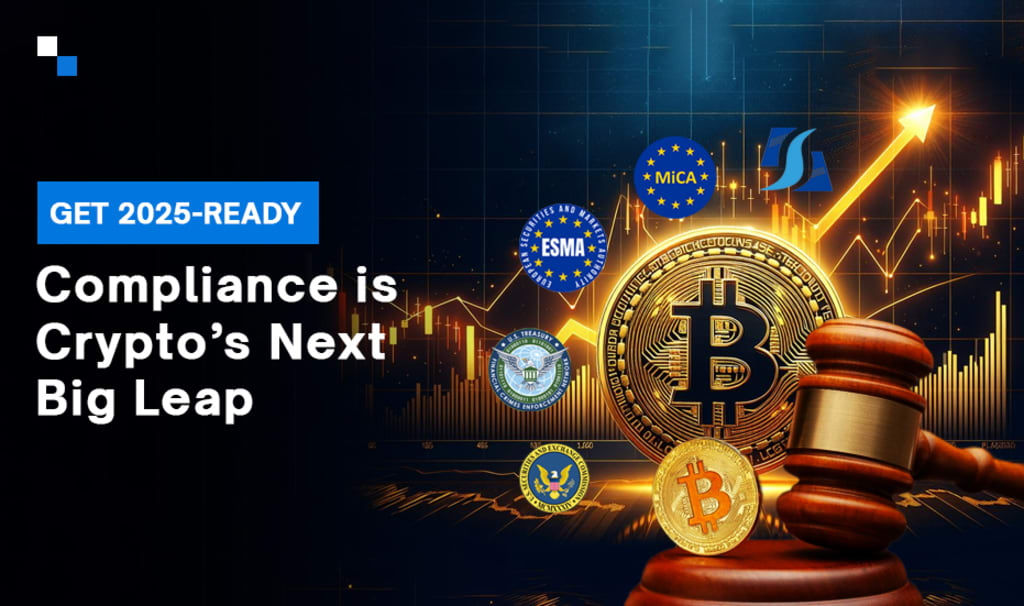
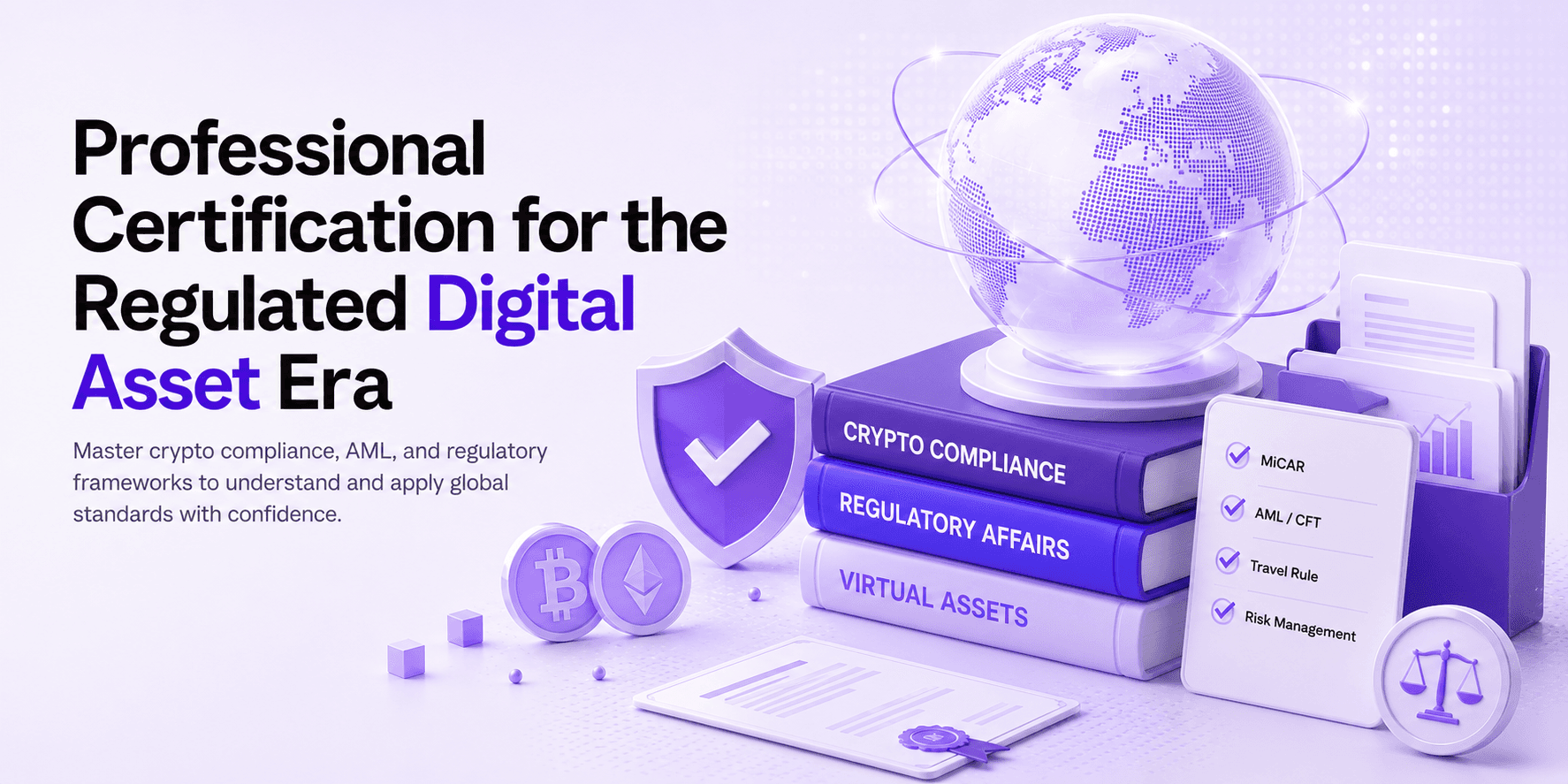
Beyond hardware, maintaining a clean digital footprint is critical. The image below illustrates the broader compliance landscape where security tools intersect with regulatory expectations. Using reputable sources for these devices ensures you are not inadvertently introducing malware into your cold storage environment.
Always verify the authenticity of any hardware wallet by purchasing directly from the manufacturer or authorized retailers. Counterfeit devices are a common vector for theft in the crypto space. By securing your keys offline, you align your operational practices with the emerging standards of 2026 compliance.
No comments yet. Be the first to share your thoughts!