How to buy crypto safely in 2026
Buying Bitcoin in 2026 requires navigating a heavily scrutinized financial landscape where regulatory compliance and institutional-grade security are paramount. With the SEC and CFTC tightening oversight on digital asset platforms, the margin for error has shrunk, making the choice of exchange a critical legal and financial decision rather than a simple matter of convenience.
In this environment, safety depends on choosing a platform that operates within clear legal boundaries. U.S.-regulated exchanges are now the standard for secure entry, subject to regular audits and capital requirements that unregulated offshore entities do not meet. As noted in recent market outlooks from major financial institutions, regulatory progress is the defining theme of the current crypto cycle, making compliance a non-negotiable baseline for investors.
Beyond the platform, the method of funding matters. Financial experts now recommend funding your account via ACH transfers from a traditional bank rather than using credit cards. Credit card purchases often carry higher spreads and can trigger fraud alerts, complicating your entry. Understanding these spreads and fees upfront prevents unexpected costs from eroding your initial position.
Security extends beyond the exchange itself. Once you buy Bitcoin, holding it on an exchange carries counterparty risk. The safest approach involves transferring your assets to a hardware wallet you control. This separation ensures that your assets remain secure in your personal custody, even if a platform faces regulatory action or a security breach. This two-step process—buying on a regulated exchange and storing in a cold wallet—represents the current gold standard for safe crypto acquisition.
Regulated Exchanges for Beginners
Selecting a platform to buy Bitcoin requires prioritizing regulatory standing over speculative features. For beginners, the primary risk is not market volatility, but platform solvency and compliance with U.S. financial laws. A regulated exchange acts as a fiduciary bridge, ensuring that your funds are held in segregated accounts and that the platform adheres to strict anti-money laundering (AML) and know-your-customer (KYC) protocols.
The safest entry points are established financial institutions and publicly traded entities that undergo rigorous auditing. These platforms may offer fewer altcoins than offshore competitors, but they provide the legal recourse and security infrastructure necessary for long-term holding. Below is a comparison of the most compliant options available for new investors.
Platform Comparison
The following table outlines the key differences between the most reputable regulated exchanges. Note that fee structures are dynamic and vary by transaction volume and payment method.
Coinbase: The Standard for Accessibility
Coinbase remains the most widely recognized entry point for U.S. investors. As a publicly traded company, it is subject to strict SEC reporting requirements, which provides a layer of transparency that private exchanges cannot match. The platform’s interface is designed to minimize user error, making it ideal for those who prioritize simplicity over advanced trading features. While fees are higher than some competitors, the cost is justified by the platform’s robust insurance coverage and customer support infrastructure.
Fidelity Digital Assets: Institutional-Grade Security
Fidelity Digital Assets brings decades of traditional finance expertise to the crypto space. It is not a standalone exchange in the retail sense but rather a custodial service that integrates with Fidelity’s broader wealth management ecosystem. This makes it an excellent choice for high-net-worth individuals or those who already use Fidelity for traditional investments. The platform emphasizes cold storage solutions and multi-signature security protocols, ensuring that assets are protected against both digital and physical threats.
Kraken: Compliance with Lower Costs
Founded in 2011, Kraken is one of the longest-operating crypto exchanges in the industry. It has maintained a strong reputation for security, having never been hacked, and is fully compliant with U.S. regulations. Kraken offers a more complex interface than Coinbase, but its fee structure is generally more favorable for active traders. The platform also provides detailed educational resources, helping users understand the technical aspects of blockchain security and asset custody.
Critical Security Practices
Regardless of the exchange chosen, beginners must adhere to strict security protocols. Never store large amounts of Bitcoin on an exchange. Exchanges are custodial services, meaning you do not hold the private keys to your assets. Instead, transfer your Bitcoin to a hardware wallet, such as a Ledger or Trezor, for long-term storage. This ensures that your assets remain secure and accessible only to you, even if the exchange fails or is compromised.


As an Amazon Associate, we may earn from qualifying purchases.
Secure Hardware Wallets for Storage
The principle of "not your keys, not your coins" is the foundational rule of Bitcoin custody. While exchanges provide liquidity, they also introduce counterparty risk. Regulatory bodies and security experts consistently advise that long-term holders transfer assets to self-custody solutions where they control the private keys. Hardware wallets offer the highest standard of security by storing keys offline, isolated from internet-connected devices.
For investors seeking to mitigate the risk of exchange insolvency or hacking, a dedicated hardware wallet is the standard compliance tool. These devices generate and store cryptographic keys in a secure element, ensuring that private keys never touch the host computer. This physical separation prevents remote attackers from accessing funds, even if the user's computer is compromised by malware.
When selecting a device, prioritize established manufacturers with transparent supply chains and proven track records. The goal is not to find the cheapest option, but the most resilient one. Below are concrete recommendations for hardware wallets that meet rigorous security standards for 2026.


As an Amazon Associate, we may earn from qualifying purchases.
Each of these devices serves a slightly different user profile. Ledger offers broad asset support and mobile convenience via Bluetooth. Trezor emphasizes open-source transparency and a user-friendly touchscreen. BitBox02 focuses on Swiss manufacturing standards and redundancy. Regardless of the brand, the security model remains the same: the device signs transactions offline, and only the signed transaction is broadcast to the network. This ensures that your funds remain secure even if your computer is infected.
How to buy Bitcoin safely
Buying Bitcoin requires strict adherence to security protocols and regulatory compliance. The following workflow outlines the verified steps for executing a trade through a regulated U.S. financial app, prioritizing asset protection over speed.
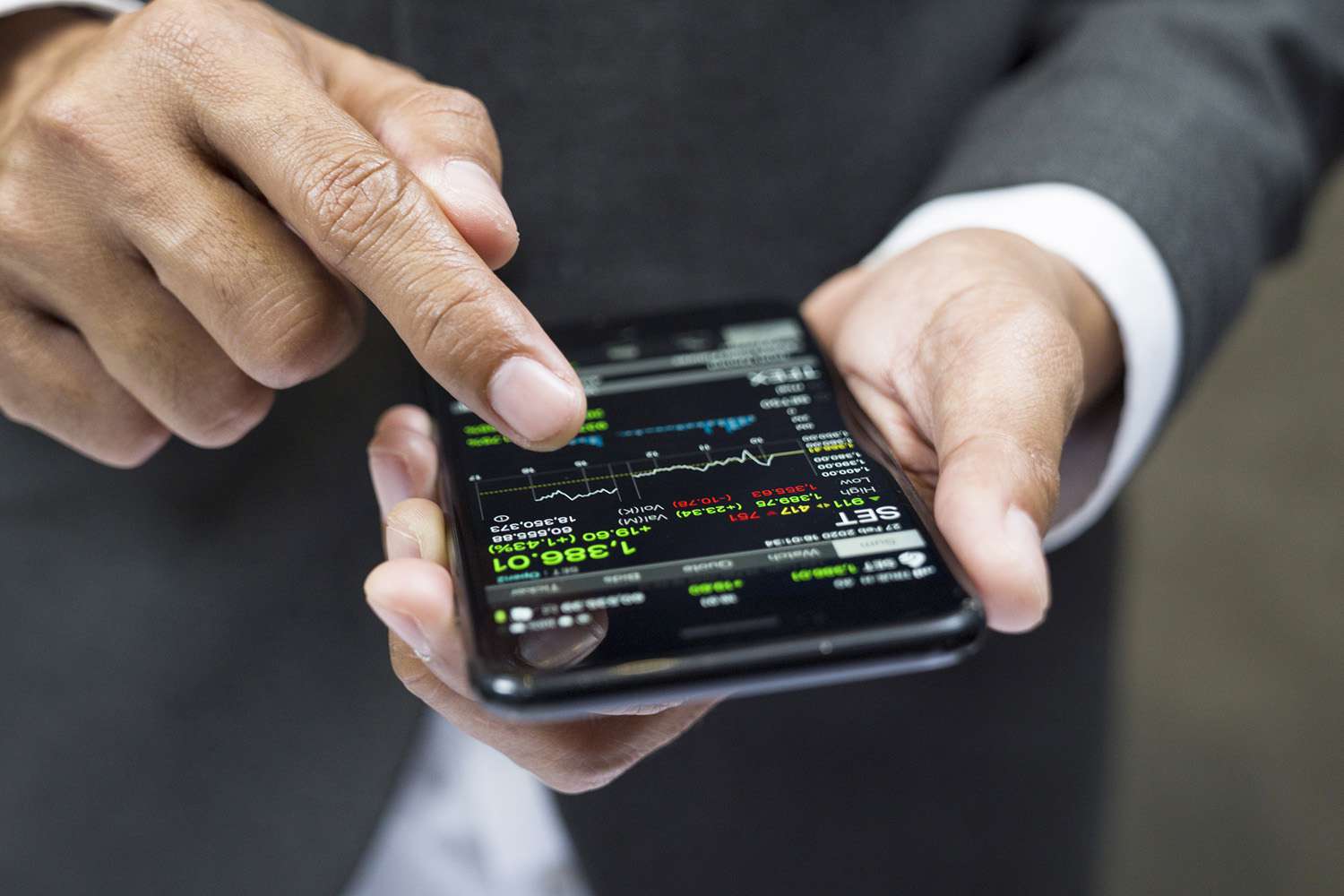
Verify that your chosen platform is registered with the Financial Crimes Enforcement Network (FinCEN) and complies with state money transmitter laws. Major entities like Coinbase and Kraken operate under strict regulatory oversight, which is essential for legal protection and asset insurance.
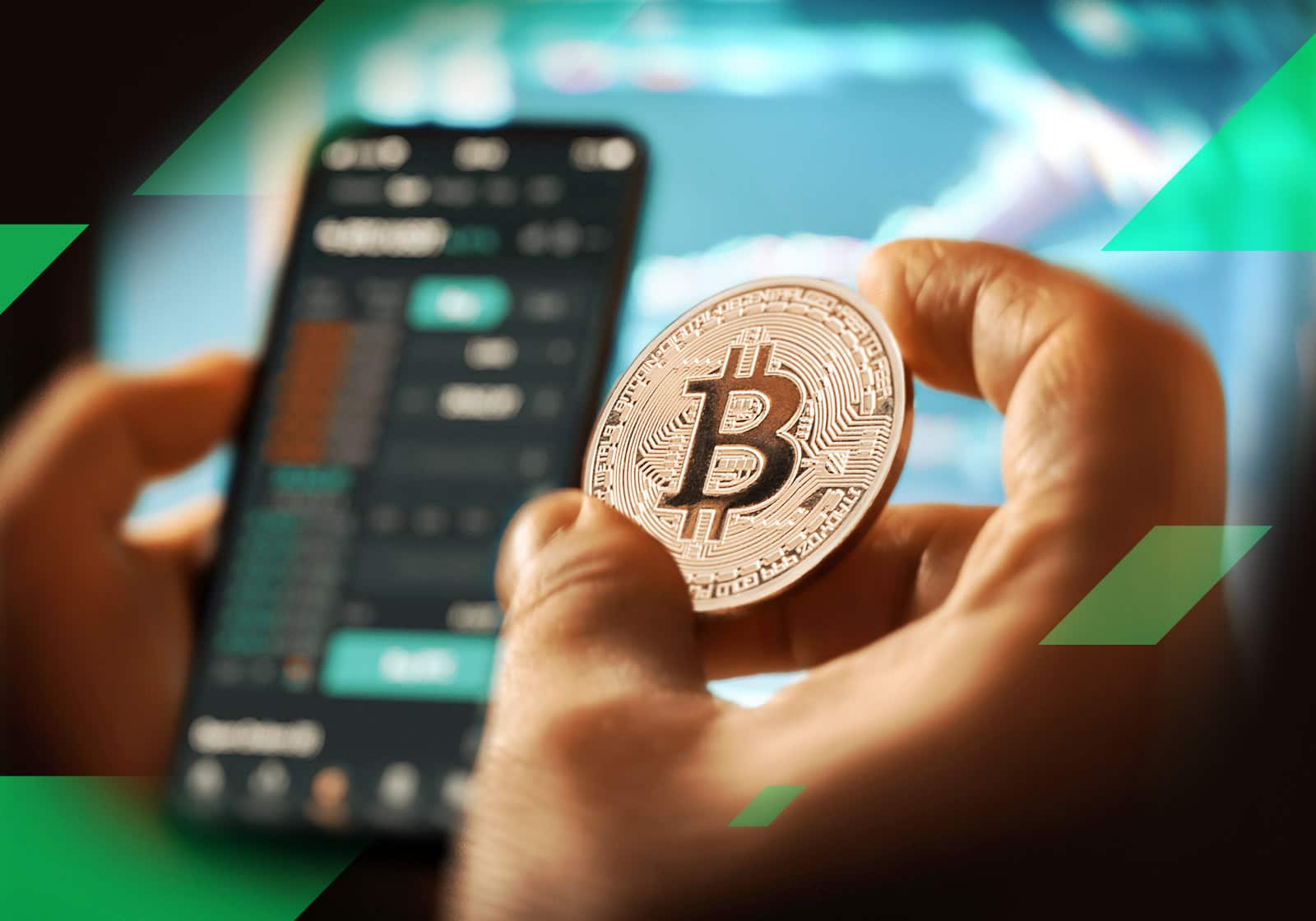
Submit government-issued identification and proof of address. This Know Your Customer (KYC) process is mandatory under federal law to prevent money laundering. Expect a review period of 24–48 hours before trading privileges are fully activated.
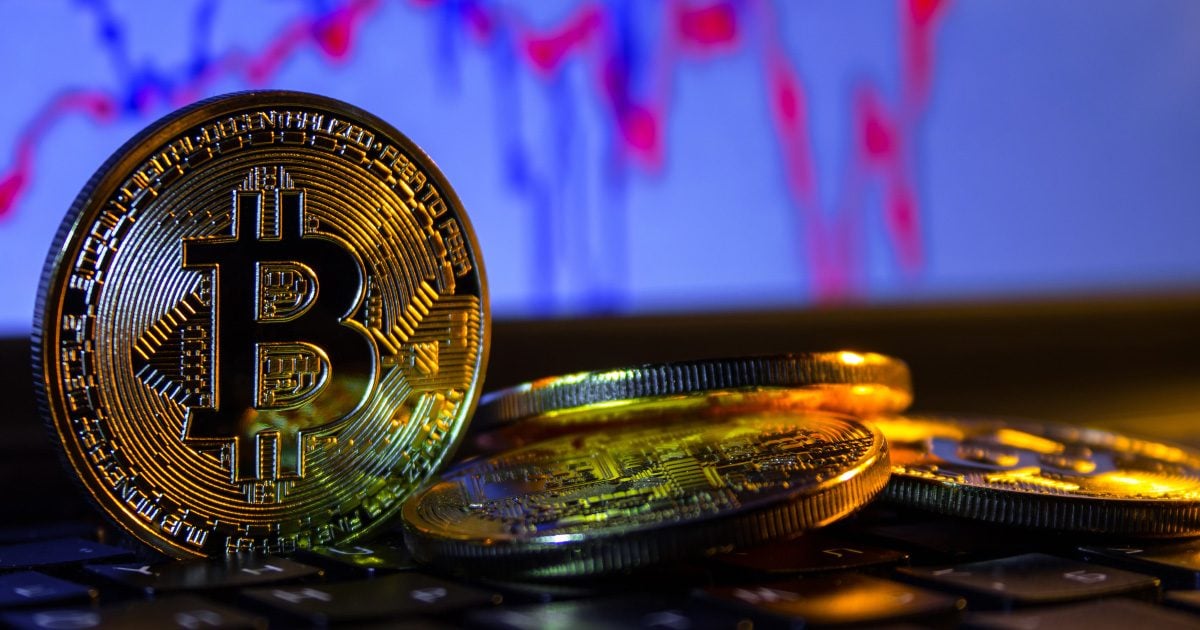
Link your bank account and fund the exchange using an ACH transfer or wire. Avoid using credit cards for purchases, as they incur high cash-advance fees and may be flagged as high-risk transactions by your bank. ACH transfers typically settle within 1–3 business days.
Place a limit order to buy Bitcoin at a specific price point. This provides better control over execution costs compared to market orders, which execute immediately at the current spread. Review the trading fee and spread before confirming the transaction.
For long-term holdings, transfer Bitcoin to a non-custodial hardware wallet. This removes your assets from exchange servers, eliminating counterparty risk. Ensure you securely back up your seed phrase offline; loss of this phrase results in permanent loss of funds.


As an Amazon Associate, we may earn from qualifying purchases.
Frequently asked questions about buying crypto
Where to buy crypto in 2026?
Compliance and security remain the primary filters for selecting an exchange. Kraken, founded in 2011, offers one of the longest operational track records in the industry. Coinbase serves as a common entry point for U.S. users due to its regulatory visibility, while Gemini and Crypto.com provide alternative compliance frameworks. Binance remains a global option, though its U.S. subsidiary operates under distinct regulatory constraints. Always verify the specific entity’s license status in your jurisdiction before depositing funds.
Is it safe to buy Bitcoin on centralized exchanges?
Centralized exchanges hold custody of your assets, which introduces counterparty risk. While platforms like Coinbase and Kraken implement cold storage and insurance policies, they are not immune to security breaches or regulatory action. For significant holdings, transferring Bitcoin to a hardware wallet you control is the standard security protocol. Exchanges are best used for active trading or initial acquisition, not long-term storage.
Do I need to pay taxes on Bitcoin purchases?
In the United States, buying Bitcoin with fiat currency is not a taxable event. However, selling, trading, or spending Bitcoin triggers tax reporting requirements. The IRS treats cryptocurrency as property, meaning capital gains or losses apply when you dispose of the asset. Keep detailed records of your purchase dates and costs to ensure accurate reporting. Consult a tax professional for advice specific to your financial situation.
No comments yet. Be the first to share your thoughts!