

2026 market outlook
The macroeconomic environment for digital assets in 2026 is defined by a convergence of regulatory clarity and cyclical timing. As institutional adoption matures, the market is shifting from speculative volatility toward structured integration with traditional finance. This transition is driven by clearer frameworks in major jurisdictions and the entry of established financial players who treat crypto as a portfolio diversifier rather than a speculative gamble.
Regulatory progress remains the primary catalyst for institutional confidence. Coinbase’s 2026 market outlook highlights that resolved legal uncertainties in the United States and Europe have lowered the barrier to entry for large-scale capital. With compliance standards now embedded in major exchanges and custodial solutions, traditional asset managers are more willing to allocate funds to Bitcoin and Ethereum as long-term holdings. This institutional demand provides a floor for market stability, reducing the extreme swings that characterized earlier cycles.
Timing remains a critical factor for buyers. Historical four-year cycles, often tied to Bitcoin’s halving events, suggest that market bottoms typically occur roughly two years after the halving. According to Fidelity Investments, if these patterns hold, the crypto market could experience its cyclical bottom around November 2026. For investors, this implies that late 2026 may offer a strategic entry point before the next potential bull run phase. However, relying solely on historical cycles is risky; macroeconomic conditions such as interest rates and inflation data will heavily influence the actual trajectory.
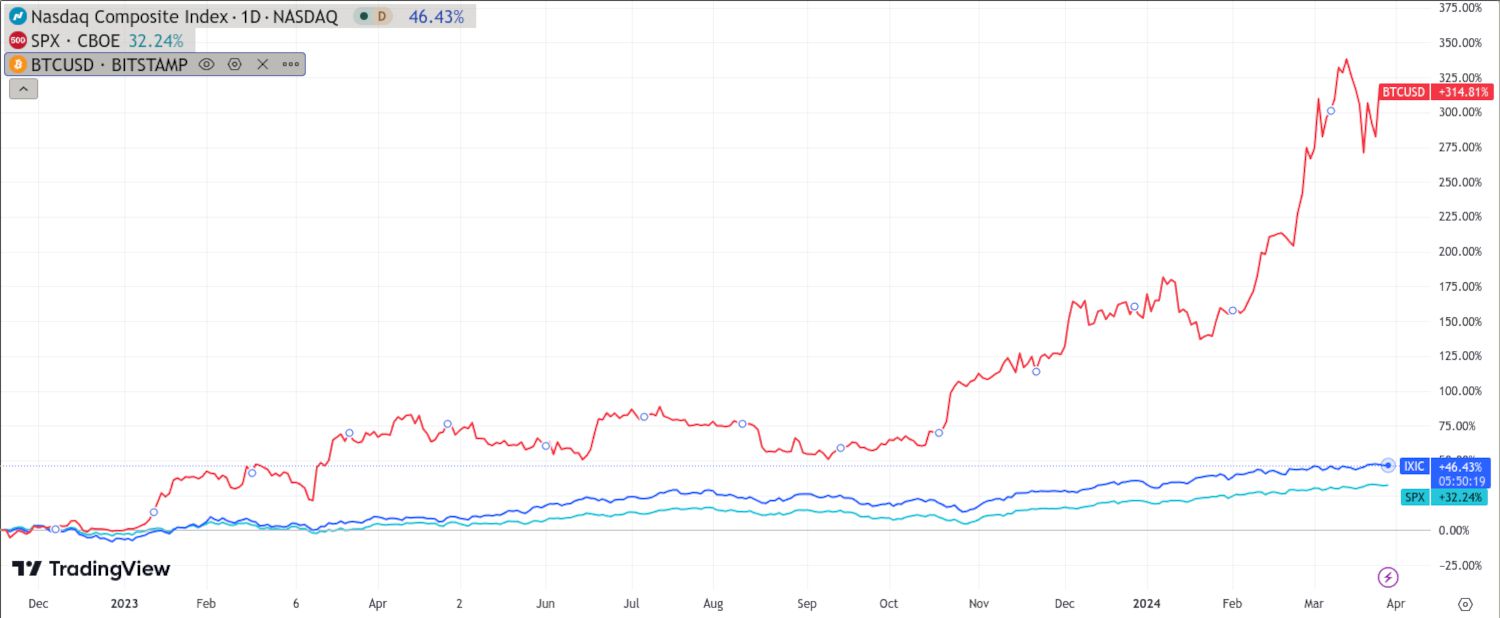
To understand the long-term trend context, it is helpful to view Bitcoin’s price action through a technical lens. The chart below illustrates the broader market structure, helping to contextualize where we stand in the current cycle relative to previous peaks and troughs.
Regulatory updates shaping the market
Regulatory clarity has shifted from a speculative hope to a concrete operational reality for anyone looking to buy crypto in 2026. The absence of sweeping federal bans in the United States, combined with established frameworks in the European Union (MiCA) and the United Kingdom, has reduced the existential risk that previously deterred institutional capital. This stability is the primary driver behind the current market structure, allowing buyers to focus on asset fundamentals rather than political survival.
The United States remains the most complex jurisdiction, but the trajectory is clear. The approval of spot Bitcoin and Ethereum ETFs has effectively integrated crypto into traditional brokerage accounts, bypassing the friction and security risks of self-custody for many retail investors. While the SEC continues to litigate against specific platforms, the broader market has adapted. Coinbase’s 2026 market outlook highlights that regulatory progress is now viewed as a tailwind for liquidity rather than a headwind for innovation.
This environment demands a different approach to security. With the legal landscape settled, the focus has moved to platform integrity and tax compliance. Buyers in 2026 are expected to use regulated entities that provide clear audit trails, as the era of anonymous, unregulated exchanges is effectively over. Understanding these updates is not just about legal safety; it is about accessing the most liquid and cost-effective entry points into the market.
Best crypto to buy now
Selecting the right digital assets depends on how you intend to use them. The market in 2026 is divided into three distinct categories: stores of value, smart contract platforms, and stablecoins. Each serves a different purpose in a portfolio, from long-term wealth preservation to everyday transactions.
The following table compares the primary options by market cap, volatility, and use case.
| Asset | Type | Volatility | Primary Use Case |
|---|---|---|---|
| Bitcoin (BTC) | Store of Value | High | Long-term savings, hedge against inflation |
| Ethereum (ETH) | Smart Contract Platform | High | DeFi applications, NFTs, dApps |
| USDC | Stablecoin | Low | Trading, remittances, yield farming |
| Solana (SOL) | Smart Contract Platform | Very High | High-speed transactions, DeFi, gaming |
Store of Value: Bitcoin
Bitcoin remains the dominant store of value in the crypto space. Its fixed supply and decentralized network make it the most resilient asset for long-term holding. While it experiences significant price swings, its historical performance has outperformed traditional assets over multi-year horizons.
For a deeper look at market dynamics, the chart below shows Bitcoin’s recent price action. This live data reflects real-time market sentiment rather than static historical averages.
Smart Contract Platforms: Ethereum and Solana
Ethereum is the leading platform for decentralized applications. It supports the majority of DeFi protocols and NFT marketplaces. Its transition to proof-of-stake has improved energy efficiency and introduced staking yields for holders.
Solana offers a high-speed alternative with lower transaction costs. It is increasingly popular for gaming and high-frequency trading applications. However, its higher volatility and past network outages require careful risk assessment.
Stablecoins: USDC and Tether
Stablecoins like USDC and Tether (USDT) are pegged to the US dollar. They provide a safe haven during market downturns and facilitate quick trading between volatile assets. USDC is often preferred for its regulatory transparency, while USDT dominates in trading volume.
These assets are essential for traders looking to avoid cashing out to fiat banks, which can be slow and expensive. They also serve as the backbone for yield-generating strategies in decentralized finance.
A disciplined approach to buying crypto
The 2026 market environment rewards patience over speculation. Rather than chasing short-term price action, a structured investment strategy focuses on long-term accumulation and risk management. This approach treats cryptocurrency as a volatile asset class that requires consistent exposure rather than timing the market.
Dollar-cost averaging (DCA) removes the pressure of entry timing. By investing fixed amounts at regular intervals, you smooth out volatility and avoid the psychological trap of buying peaks or selling bottoms. This method is particularly effective in 2026, where market sentiment can shift rapidly based on macroeconomic data and regulatory developments.
Portfolio allocation ensures that crypto exposure remains proportional to your overall financial goals. A common baseline is allocating 1-5% of total investable assets to digital currencies, depending on your risk tolerance. This prevents crypto volatility from destabilizing your broader financial plan while still allowing for significant upside participation.
Visualizing market data helps inform your entry points. The following chart provides a provider-backed view of Bitcoin’s recent price action, offering context for current valuation levels.
Combining regular contributions with a disciplined allocation strategy creates a resilient framework for 2026. This method prioritizes consistency, reducing the impact of emotional decision-making and market noise.
Essential hardware wallets for security
Keeping your crypto offline is the most reliable way to protect your assets from online hacks. A hardware wallet acts like a physical vault, storing your private keys in a secure element that never connects to the internet. When you need to send funds, the device signs the transaction locally, ensuring your keys remain safe even if your computer is compromised.
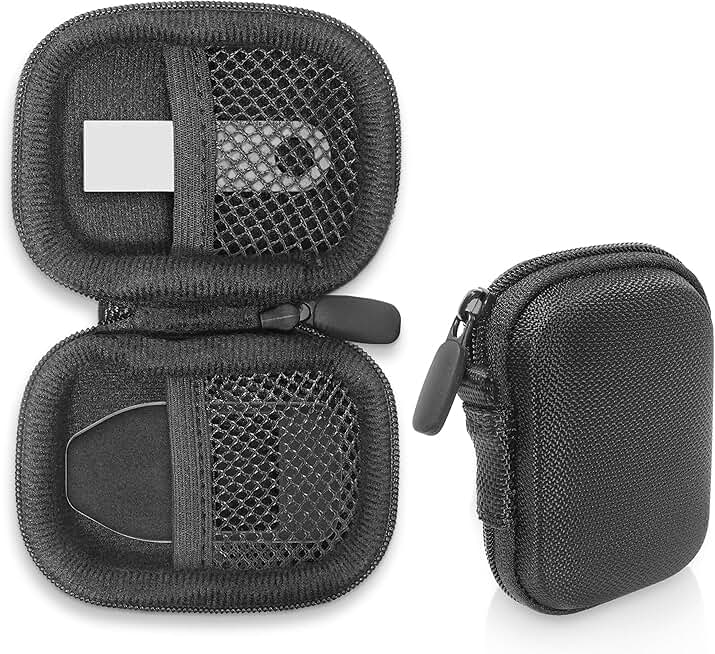
For 2026, the market offers several reliable options depending on your needs. The Ledger Nano X and Trezor Model T are industry standards, supporting a wide range of coins and offering robust software ecosystems. If you prefer simplicity, the Tangem Wallet provides a card-based design that works with mobile phones via NFC, making it ideal for beginners who want to avoid complex cables and buttons.


As an Amazon Associate, we may earn from qualifying purchases.
Always purchase hardware wallets directly from the manufacturer or authorized retailers. Never buy used devices, as they may have been tampered with. Once you receive your device, initialize it with a new seed phrase written on the provided recovery sheet, and store that sheet in a secure, offline location.
What will the price of crypto be in 2026
Predicting exact crypto prices for 2026 is speculative, as markets are influenced by regulatory shifts, macroeconomic trends, and technological adoption. Instead of relying on single-point forecasts, investors should monitor key indicators and use live data to gauge market health.
Bitcoin remains the primary benchmark for the sector. Its price action often dictates the broader market sentiment, making it essential to track its performance alongside emerging altcoins. The following chart visualizes recent price movements to help contextualize potential 2026 trends.
While specific price targets vary among analysts, understanding the underlying drivers—such as institutional adoption and halving cycles—provides a more reliable framework than static predictions. The table below highlights current market metrics to inform your strategy.
| Metric | Current Value |
|---|---|
| Market Cap | $2.5T |
| 24h Volume | $85B |
| BTC Dominance | 54% |
No comments yet. Be the first to share your thoughts!