
Why 2026 changes buying crypto
The landscape for buying crypto is shifting from enforcement ambiguity to structured compliance. In 2026, regulators are defining the rules of engagement for digital assets, driven by clarified SEC stances on federal securities laws and broader global frameworks. This shift determines which assets are securities versus commodities, directly impacting exchange access and trading methods.
The Securities and Exchange Commission recently clarified how federal securities laws apply to airdrops, protocol mining, and staking. This guidance helps retail buyers understand when a token might be considered a security, reducing the risk of sudden platform shutdowns or asset delistings. Buyers can now approach the market with a better understanding of legal boundaries.
This environment allows buyers to focus on strategy rather than regulatory survival. The rules are becoming standardized, making it easier to access legitimate platforms safely. As these frameworks solidify, the barriers to entry for compliant buyers lower, while the risks of non-compliant platforms increase.


As an Amazon Associate, we may earn from qualifying purchases.
5 Rules for Buying Safely
Navigating the evolving landscape of crypto regulations 2026 demands a shift from speculation to strict compliance. These five rules for buying safely prioritize verified custody solutions and transparent exchanges to mitigate the high-stakes risks inherent in the current market.
-
Verify SEC registration status
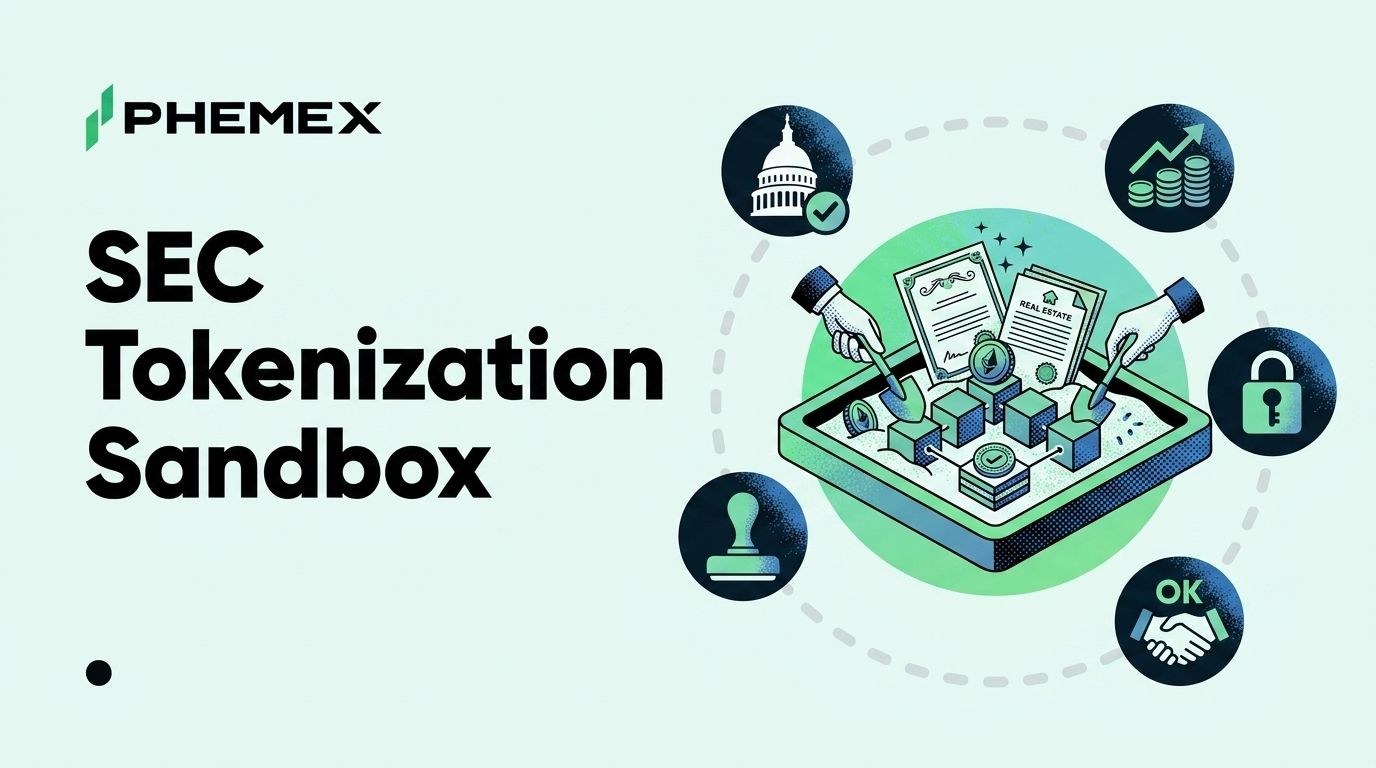
Before funding any account, confirm the platform’s standing with the Securities and Exchange Commission. The SEC’s Crypto Asset Securities Enforcement Framework provides clear guidelines on which tokens qualify as securities. Check the EDGAR database for recent filings or enforcement actions against the exchange. This step filters out unregistered entities that operate in legal gray areas, protecting your capital from regulatory shutdowns or asset freezes before you even make a purchase. -
Enable hardware wallet storage
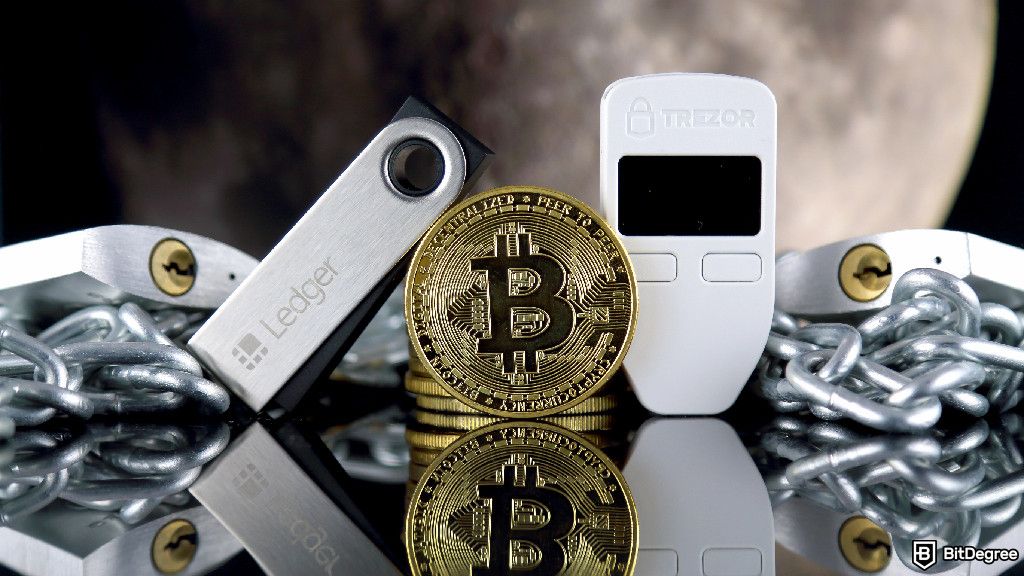
Leaving assets on an exchange is akin to keeping cash under a mattress. Transfer purchased crypto to a dedicated hardware wallet like a Ledger Nano X or Trezor Model T immediately. These devices store private keys offline, creating an air gap that prevents remote hacking attempts. By self-custodying your holdings, you eliminate counterparty risk entirely, ensuring that only you control access to your digital wealth regardless of platform insolvency or technical failures. -

Check KYC compliance levels
Know Your Customer protocols are no longer optional; they are a baseline for market integrity. Ensure the platform adheres to FinCEN guidelines and requires robust identity verification. High-compliance exchanges often face fewer sudden regulatory crackdowns because they cooperate fully with authorities. Verify that the platform displays its regulatory licenses prominently. Choosing a fully compliant venue reduces the likelihood of sudden account freezes or forced liquidations due to anti-money laundering investigations. -

Use regulated stablecoin pairs
Stablecoins offer volatility relief, but not all are created equal. Prioritize pairs involving USDC or USDT issued by entities subject to regular attestation reports. The US Treasury’s proposed stablecoin framework aims to bring these assets closer to traditional banking standards. Trading regulated stablecoins reduces exposure to de-pegging risks associated with opaque issuers. Always verify the reserve composition of the stablecoin you are buying, ensuring it is backed by liquid, high-quality assets. -
Review exchange insurance policies
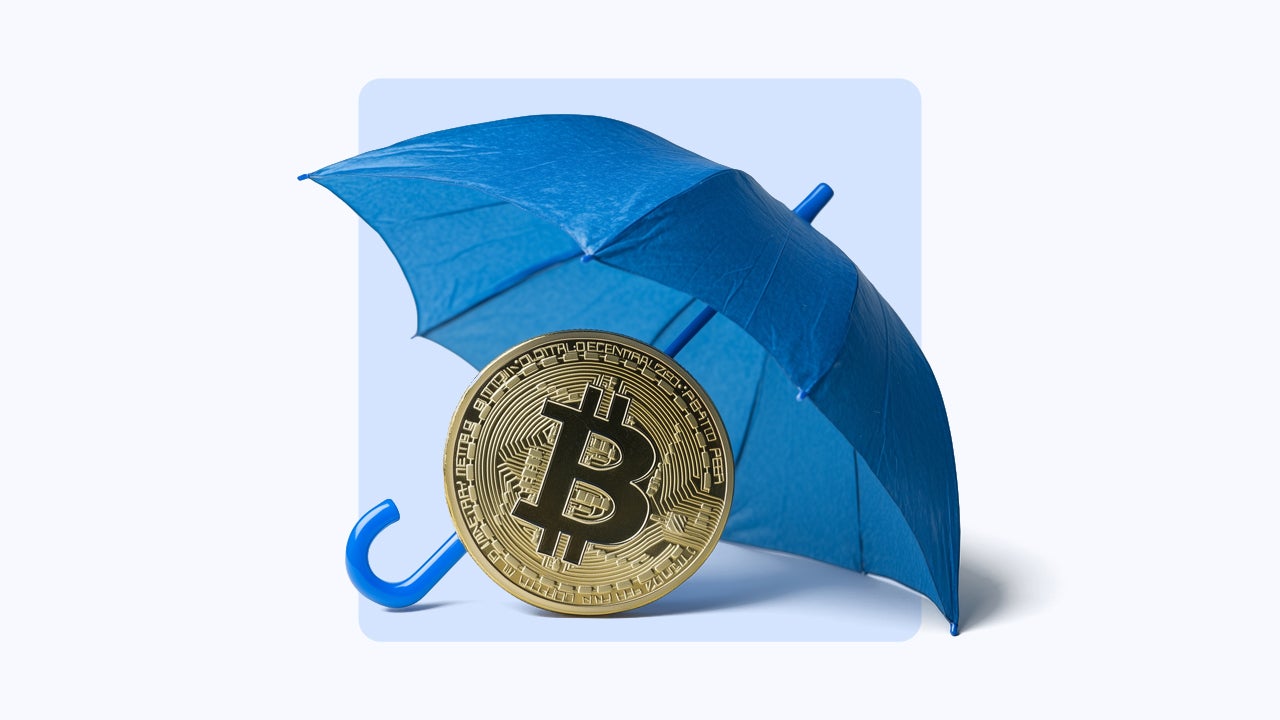
Even regulated platforms face cyber threats. Investigate whether the exchange maintains insurance coverage through providers like BitGo or Coinbase Custody. Look for policies that cover both hot and cold storage wallets against theft or hack-related losses. Understand the claims process and any exclusions, such as losses due to user error. This financial safety net provides a crucial layer of protection, ensuring that your assets have recourse if the platform suffers a catastrophic security breach.
SEC clarity on staking and airdrops
The SEC’s 2026 clarification on protocol mining, staking, and airdrops has reshaped how crypto assets are classified. This regulatory shift directly impacts tax liability for buyers, making it essential to understand which tokens are treated as securities.
Under the new guidelines, airdrops and staking rewards are no longer automatically exempt from securities laws. If a token is deemed a security, receiving it as a reward triggers immediate taxable income based on fair market value at the time of receipt. This changes the compliance burden for holders of staked assets.
The SEC’s press release details how these rules apply to wrapping non-security crypto assets, ensuring that derivatives do not bypass federal oversight. Buyers must now verify the classification of any token they stake or receive to avoid unexpected tax liabilities.
For a complete breakdown of these regulations, refer to the SEC’s official statement. Understanding these distinctions is critical for maintaining compliance in 2026.
Global compliance for exchanges
By 2026, the era of anonymous crypto trading is effectively over. International regulatory alignment, driven primarily by the EU’s Markets in Crypto-Assets (MiCA) regulation and the UK Financial Conduct Authority’s (FCA) upcoming regime, has forced exchanges to adopt strict Know Your Customer (KYC) and Anti-Money Laundering (AML) protocols. This shift impacts buyer privacy and access, requiring users to verify their identity before they can trade.
The EU’s MiCA framework sets a high bar for compliance. Exchanges operating within the bloc must implement robust identity verification and transaction monitoring systems. This ensures that crypto assets are treated with the same scrutiny as traditional financial instruments. For more details on how different jurisdictions are handling these laws, see the Global Legal Insights guide on blockchain regulations.
In the UK, the FCA is rolling out a new cryptoasset regime expected to come into force in October 2027. This regime will bring cryptoassets into the financial services regulatory perimeter, requiring firms to adhere to strict standards. The FCA’s approach focuses on consumer protection and market integrity, mirroring the EU’s strict compliance requirements.
| Exchange Region | KYC Requirement | Asset Availability | Compliance Focus |
|---|---|---|---|
| EU (MiCA) | Mandatory ID Verification | Full MiCA-compliant assets | Consumer protection |
| UK (FCA) | Mandatory ID Verification | FCA-approved assets | Market integrity |
| US (SEC/CFTC) | Mandatory ID Verification | Regulated securities only | Investor protection |
| Offshore | Variable | Wide range | Limited oversight |
These regulations mean that buyers must choose exchanges that prioritize compliance. While this may reduce privacy, it also increases the security and legitimacy of the platforms. As the regulatory landscape continues to evolve, staying informed about these changes is crucial for safe trading.
| Region | KYC | Assets | Focus |
|---|---|---|---|
| EU (MiCA) | Mandatory | Full MiCA-compliant | Consumer protection |
| UK (FCA) | Mandatory | FCA-approved | Market integrity |
| US (SEC/CFTC) | Mandatory | Regulated securities | Investor protection |
| Offshore | Variable | Wide range | Limited oversight |
Tax laws for digital assets
The 2026 tax landscape for crypto is no longer a gray area; it is a strict compliance environment. Congress and regulators have moved past experimental frameworks to enforce clear reporting standards for all digital asset transactions. If you are holding or trading crypto, your 2026 tax filing must account for more than just simple buy-and-sell trades.
Staking rewards are taxable income
Staking rewards are now treated as ordinary income at the fair market value on the day you receive them. This applies whether the reward comes from a centralized exchange or a decentralized protocol. You must track the USD value at the exact moment of receipt to calculate your cost basis correctly for future sales.
DeFi interactions require detailed records
Decentralized Finance (DeFi) swaps and liquidity provision are fully taxable events. Each interaction with a smart contract that results in a token exchange triggers a capital gains or loss calculation. The PwC Global Crypto Regulation Report 2026 highlights that failure to report these on-chain activities is increasingly detectable through advanced blockchain analytics tools used by the IRS.
Airdrops and hard forks
Tokens received from airdrops or hard forks are taxable as income at their fair market value when you gain control of them. This includes tokens dropped into your wallet without direct payment. You must record the date, time, and USD value to establish your cost basis.
2026 Crypto Tax Checklist
Use this checklist to ensure your records are audit-ready for the 2026 filing season:
-
Log all staking rewards with date and USD value at receipt
-
Record every DeFi swap as a taxable event with gain/loss calculations
-
Track airdrop values at the time of wallet control
-
Gather exchange statements (Form 1099-B or equivalent) for all trades
-
Retain transaction hashes for on-chain activity verification
For official guidance on digital asset reporting, refer to the IRS Notice 2014-21 and the latest PwC Global Crypto Regulation Report for updated compliance standards.
Frequently asked: what to check next
How do 2026 crypto regulations affect my existing holdings?
If you already own crypto, the new rules generally focus on how you buy and sell, not on confiscating what you hold. The SEC has clarified that federal securities laws now apply more strictly to airdrops, staking, and protocol mining (SEC, 2026). This means you may face higher fees or tax reporting requirements when trading, but your assets remain yours. Always check if your specific token is classified as a security to understand your reporting obligations.
Can I still transfer crypto across borders in 2026?
Cross-border transfers are still possible, but the "travel rule" is now enforced in many jurisdictions. This requires exchanges to share sender and receiver information for transactions above a certain threshold. If you are moving funds between countries, ensure both your sending and receiving platforms are compliant with local anti-money laundering (AML) standards. Non-compliant transfers may be frozen or delayed indefinitely.
What should I look for in a compliant crypto wallet?
Not all wallets are created equal under the new regulations. Look for wallets that support "know your customer" (KYC) checks if you plan to move funds to a regulated exchange. Hardware wallets like the Ledger Nano X or Trezor Model T remain safe for storage, but they cannot bypass exchange compliance requirements. When buying, prioritize platforms that provide clear regulatory licenses, such as those registered with the FCA in the UK or the SEC in the US.
Are stablecoins still safe to use?
Stablecoins are under increased scrutiny. In 2026, regulators are demanding that stablecoin issuers maintain full reserves of high-quality liquid assets. Before using a stablecoin for payments or trading, verify that the issuer has published audited reserve reports. If a stablecoin is not backed 1:1 by cash or equivalents, it carries significant de-pegging risk.
How do I know if an exchange is regulated?
Always check the exchange's regulatory status before depositing funds. In the US, look for registration with the Financial Crimes Enforcement Network (FinCEN) and state money transmitter licenses. In the EU, check for registration under MiCA. Avoid offshore exchanges that do not disclose their regulatory jurisdiction, as they offer no legal recourse if they fail.
No comments yet. Be the first to share your thoughts!