Start with regulated exchanges
The most important step in buying crypto is choosing a platform that operates within the law. For beginners, this means sticking to exchanges that are registered with financial authorities in your country. These platforms undergo regular audits and must follow strict rules to protect your money and personal data. Using an unregulated or offshore exchange is risky; if the platform disappears or is hacked, you have no legal recourse to recover your funds.
In 2026, major players like Coinbase and Binance have solidified their positions as compliant, high-security options. Coinbase, for instance, is a publicly traded company in the United States, which requires a higher level of financial transparency and regulatory oversight than private entities. Binance, while global, maintains specific regulatory licenses in various jurisdictions and offers robust security features like cold storage for the majority of user assets. Gemini is another well-regarded option, known for its strong compliance team and insurance coverage for digital assets.
Avoid platforms that promise guaranteed returns or operate without clear contact information or physical addresses. Legitimate exchanges are transparent about their fees, security measures, and legal standing. By starting with a regulated exchange, you create a safer foundation for your crypto journey, allowing you to focus on learning about the market rather than worrying about the safety of your funds.


As an Amazon Associate, we may earn from qualifying purchases.
Compare top platforms for 2026
Choosing the right exchange depends on your specific needs for fees, asset variety, and security. The following comparison highlights three leading platforms that prioritize regulatory compliance and user safety, which is critical for beginners entering the market.
| Platform | Trading Fees | Asset Variety | Security Features |
|---|---|---|---|
| Coinbase | 0.4% - 4% | 250+ coins | Custodial, FDIC-insured USD |
| Kraken | 0.16% - 0.26% | 200+ coins | Cold storage, 2FA |
| Gemini | 0.35% - 1.49% | 100+ coins | SEC registered, cold storage |
Coinbase is widely recognized for its regulatory clarity, making it a safe starting point for new investors. While its fees can be higher than competitors, the platform offers FDIC-insured USD balances and a straightforward interface. Kraken stands out for lower trading fees and robust security measures, including cold storage for the majority of user funds. Gemini is a strong alternative for those prioritizing regulatory compliance, as it is registered with the SEC and offers cold storage for digital assets.
How to buy crypto safely
Buying crypto for the first time involves three main actions: creating an account, proving who you are, and placing your first order. The process is similar to opening a bank account, but with stricter identity checks. Following these steps ensures your funds are secure and your account complies with financial regulations.
Start by selecting a platform that is registered with financial authorities. In the US, look for firms registered with the SEC or FinCEN. In Europe, ensure the platform is registered with the relevant national authority. Avoid unregulated offshore exchanges for your first purchase, as they offer no protection if the platform fails.
Sign up using your legal name and a secure email address. Enable two-factor authentication (2FA) immediately using an authenticator app rather than SMS. This adds a critical layer of security that prevents unauthorized access even if your password is compromised.
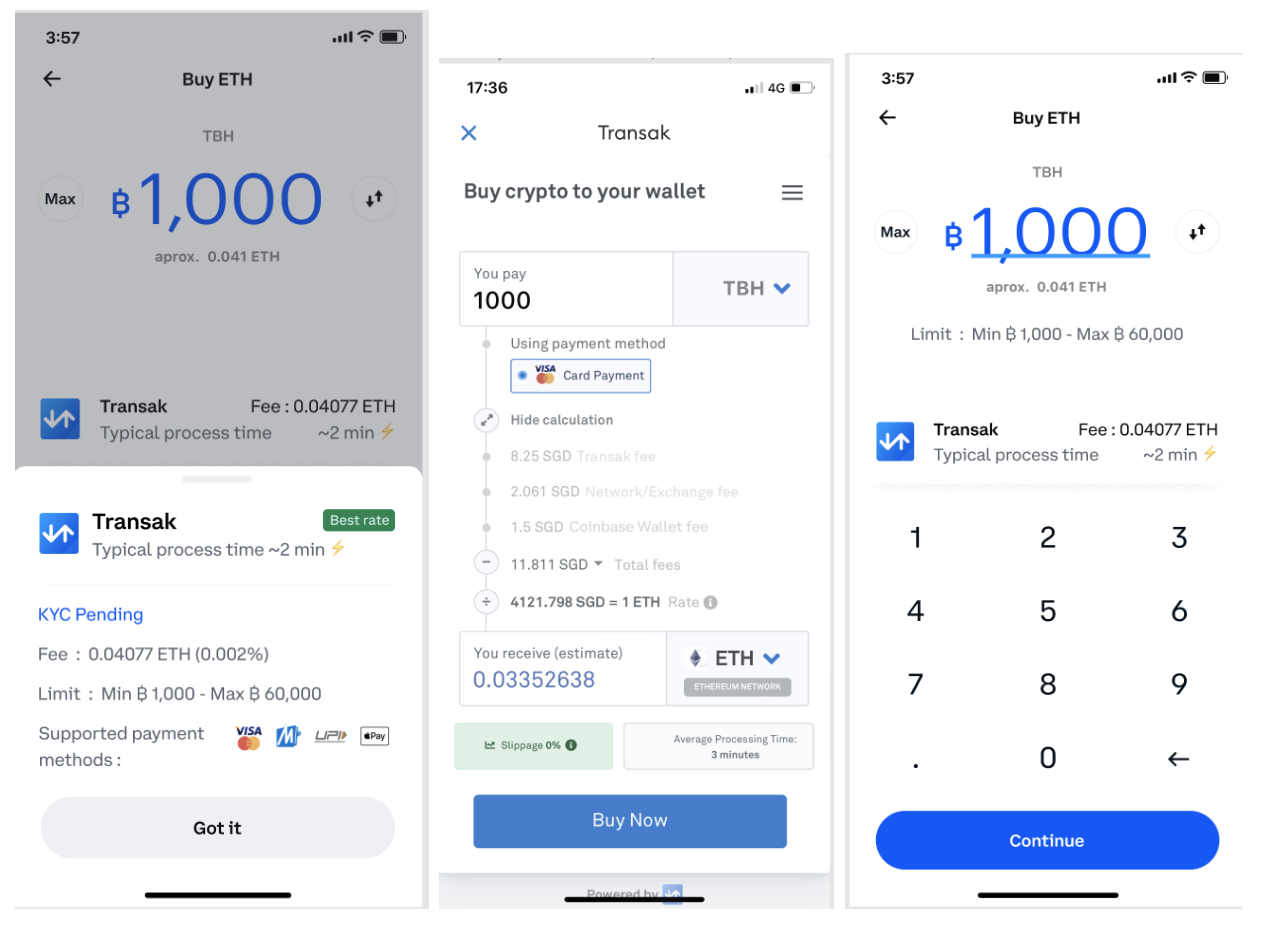
Upload a government-issued ID and take a selfie for Know Your Customer (KYC) checks. This is a legal requirement for all regulated platforms. The process usually takes minutes but can take up to 24 hours. Do not attempt to use fake identities; this will result in permanent account bans and potential legal issues.
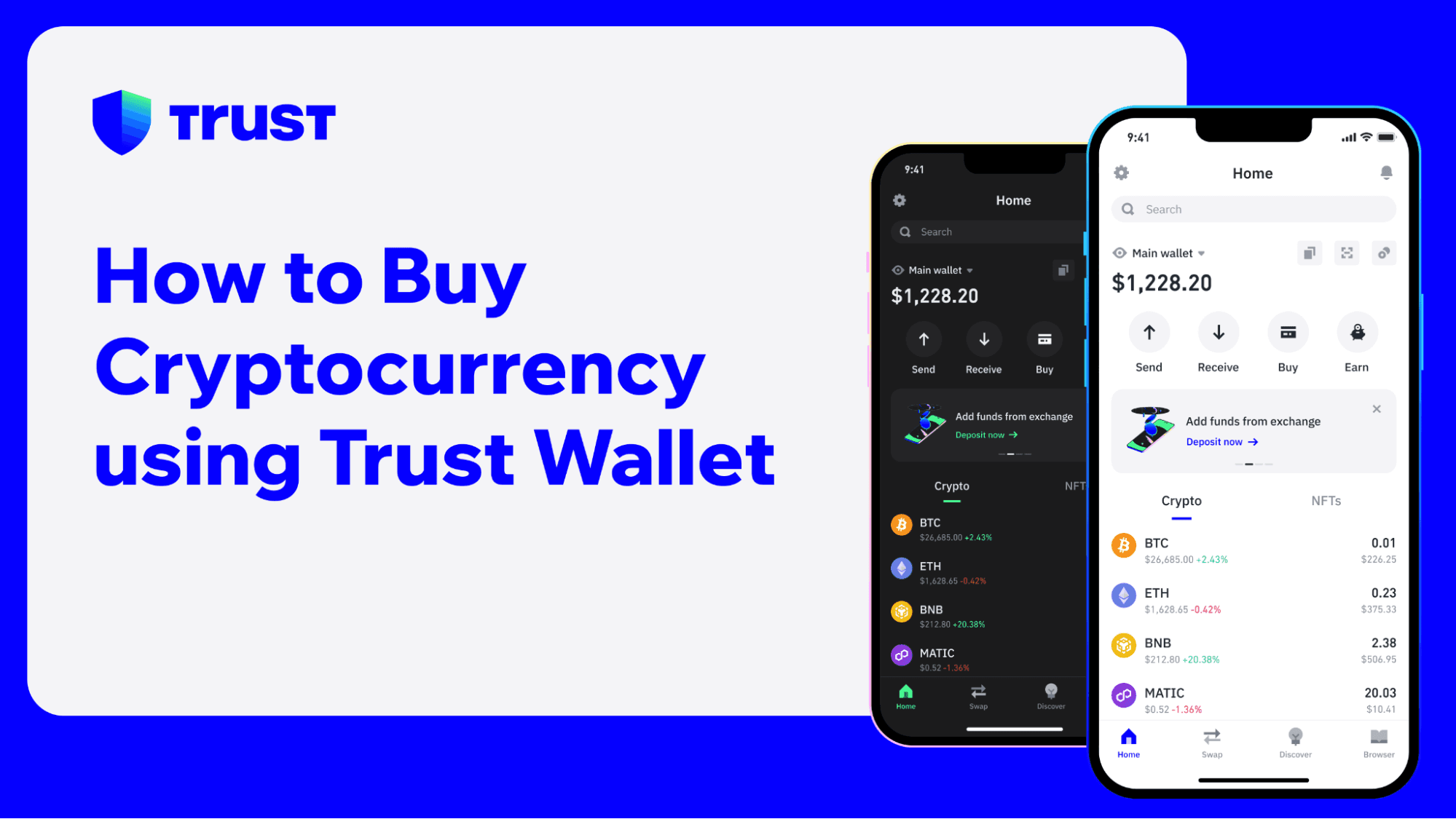
Link your bank account or debit card to deposit fiat currency. Bank transfers (ACH) are usually free but take 3-5 days. Debit cards are instant but often carry higher fees. Start with a small amount, such as $10 or $20, to test the withdrawal process before committing larger sums.
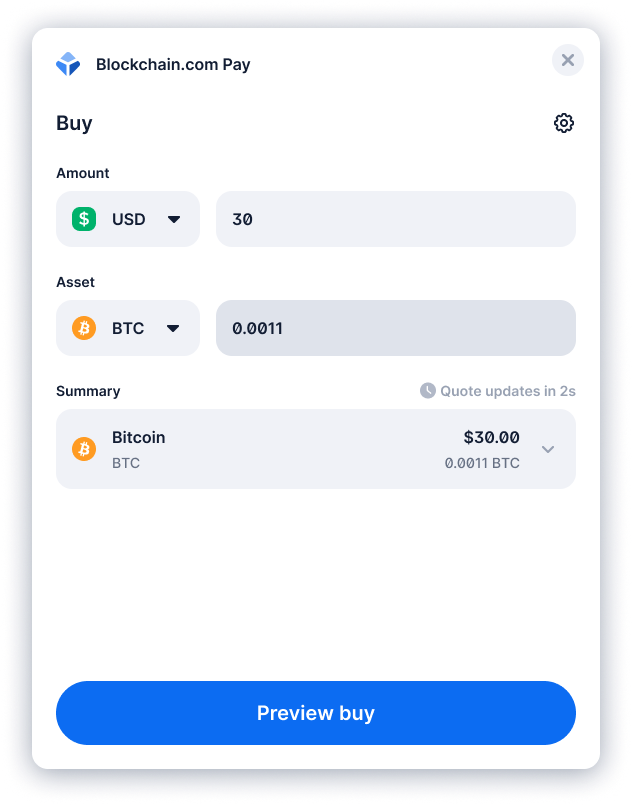
Navigate to the "Buy" section and select Bitcoin or Ethereum. Enter the amount you wish to spend. Review the transaction fee and the total crypto you will receive. Confirm the trade. Your assets will appear in your platform wallet immediately, though they may take time to settle on the blockchain.
Once your first purchase is complete, consider moving your assets to a private wallet if you plan to hold long-term. Exchanges are convenient but not secure for large holdings. For now, keep small amounts on the platform for easy trading.
Secure your crypto assets
Keeping your crypto on an exchange is like leaving your savings in a bank that might close overnight. Exchanges are custodians, meaning they hold the private keys to your funds. If the platform is hacked, goes bankrupt, or freezes withdrawals, you have no direct claim to your money. For long-term safety, you need to take control of your own keys through self-custody.
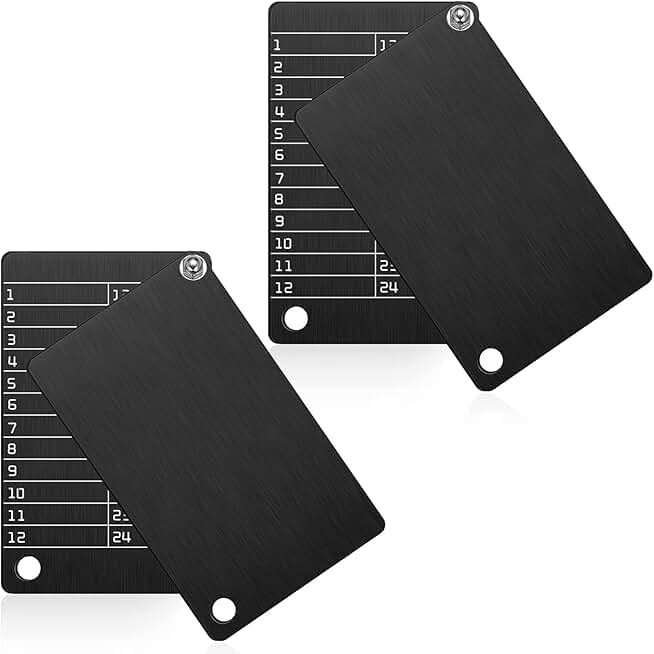
Self-custody means you are the only person who can access your funds. The most reliable way to do this is with a hardware wallet, often called a cold wallet. These devices store your private keys offline, keeping them safe from internet-based hacks. When you need to send or receive crypto, you physically connect the device to confirm the transaction, ensuring that malware on your computer cannot steal your keys.
Essential security steps
Before you move your funds off an exchange, ensure you have completed these foundational steps:
-
Choose a reputable hardware wallet from a trusted manufacturer.
-
Write down your recovery seed phrase on paper and store it in a secure, offline location.
-
Never share your seed phrase or private keys with anyone, including support staff.
-
Verify the wallet address on your device screen before confirming any transaction.
Popular hardware wallets
When selecting a hardware wallet, look for established brands with a history of security audits and open-source code. Below are some widely used options available for purchase.


As an Amazon Associate, we may earn from qualifying purchases.
Self-custody in practice
Transitioning to self-custody requires a shift in mindset. You are now responsible for the safety of your assets. This means protecting your recovery seed phrase with the same care you would use for a home safe. If you lose your seed phrase, your funds are gone forever. If someone else gets it, they can drain your wallet. By keeping your keys offline and your seed phrase secure, you eliminate the risk of exchange failure.
Don't try to time the market
The biggest mistake beginners make is waiting for the "perfect" entry point. In crypto, that moment rarely exists. Bitcoin and other major assets are volatile by design. During bull runs, prices often drop 30% or more every few months. These corrections can look like crashes, but they are normal parts of the cycle.
Trying to predict these dips is like trying to catch a falling knife. You might miss the bottom, or you might buy just before another drop. Instead of timing the market, focus on consistency. This approach, known as dollar-cost averaging, involves buying a fixed amount at regular intervals regardless of price. It removes emotion from the decision and smooths out the volatility over time.
Use a technical chart for context
While you shouldn't panic-sell, having a basic understanding of price trends helps. A long-term view shows that short-term dips are usually followed by recovery. The chart below illustrates Bitcoin's historical volatility, showing that while prices swing wildly in the short term, the long-term trend has generally moved upward.
Essential tools for buyers
Buying crypto is only the first step. To protect your investment, you need the right hardware and software tools from the start. Relying solely on an exchange app leaves your funds vulnerable to hacks or platform failures. Moving assets to a personal wallet gives you full control.
Hardware wallets for long-term storage
A hardware wallet is a physical device that stores your private keys offline. This "cold storage" method keeps your crypto safe from online threats. We recommend models from Ledger and Trezor, which are widely regarded as the industry standard for security. These devices require physical confirmation for every transaction, adding a critical layer of defense.
Secure accessories and software
Beyond the wallet itself, consider using a secure USB drive for backup seed phrases and a dedicated device for crypto management. Avoid storing recovery phrases on your phone or cloud storage. For smaller, frequent transactions, a reputable software wallet like Exodus or Trust Wallet offers convenience while maintaining strong encryption. Always verify you are downloading apps from official sources to avoid phishing scams.


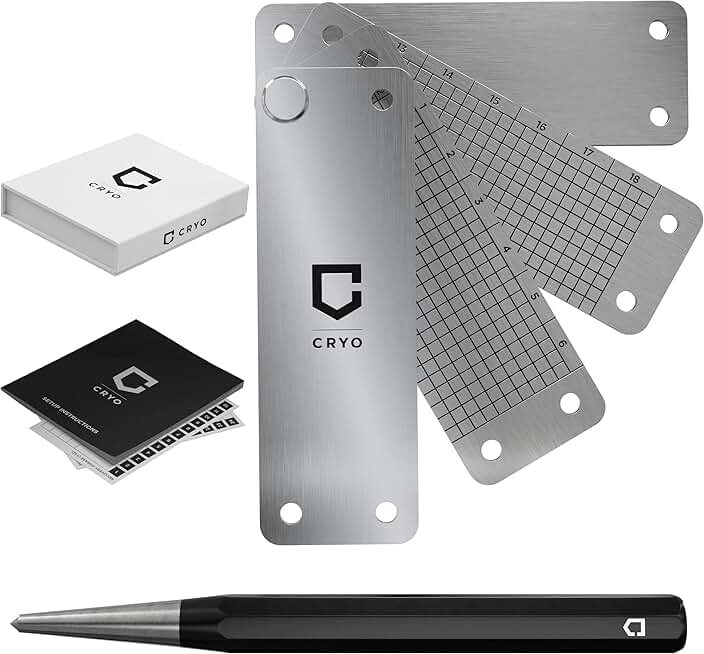
As an Amazon Associate, we may earn from qualifying purchases.
Common buying mistakes to avoid
Even with the right platform, small errors can cost you real money. Beginners often fall into predictable traps that experienced traders have learned to sidestep. Recognizing these pitfalls is the first step toward protecting your capital.
Falling for phishing scams
Phishing remains the most common way beginners lose access to their accounts. Attackers send emails or texts that look like official platform notifications, urging you to click a link and reset your password. These links lead to fake login pages designed to steal your credentials. Always type the platform URL directly into your browser or use a saved bookmark. Never click links in unsolicited messages, regardless of how urgent they appear.
Trading on emotion
Fear and greed drive poor financial decisions. When prices spike, it is tempting to buy at the top because of "fear of missing out." Conversely, panic selling during a dip locks in losses that might have recovered. Successful investing requires a plan, not a reaction. Set your buy and sell orders in advance based on your research, then step away from the screen. Emotional trading rarely yields long-term results.
Ignoring security settings
Many new users skip two-factor authentication (2FA) because it feels like extra work. This is a critical mistake. Without 2FA, a stolen password gives a hacker full access to your funds. Enable 2FA immediately after signing up. Use an authenticator app rather than SMS-based codes, which can be intercepted. This simple step adds a vital layer of defense to your account.
No comments yet. Be the first to share your thoughts!