
Why AI crypto tokens matter in 2026
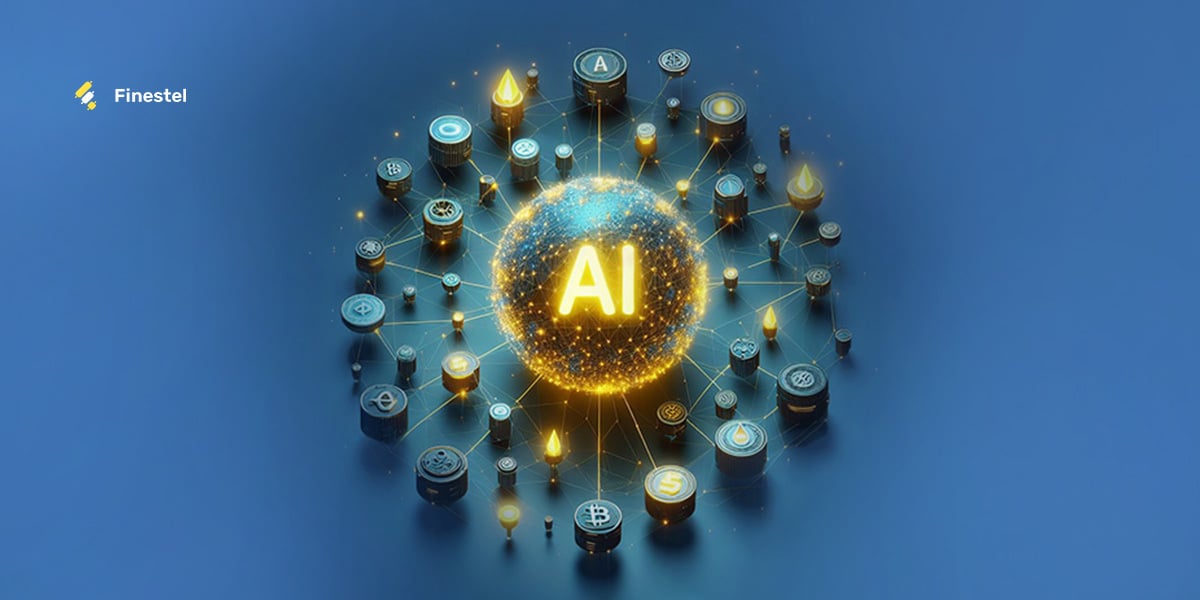
The intersection of artificial intelligence and blockchain has moved beyond speculative hype into tangible infrastructure. In 2026, the focus has shifted from abstract promises to functional networks that provide decentralized compute power and open-source model training. This convergence allows developers to access GPU resources and machine learning datasets without relying on centralized tech giants.
Projects like Render (RNDR) have established themselves as critical nodes in this ecosystem, offering decentralized GPU rendering and compute capabilities. Similarly, the Artificial Superintelligence Alliance (FET) represents a significant consolidation of efforts in autonomous agent development, aiming to create interoperable AI systems. These tokens are not just digital assets; they are access keys to a distributed network of computational power.
Bittensor (TAO) operates as a peer-to-peer intelligence market, where subnets compete to provide the best machine learning outputs. This structure incentivizes high-quality data and model performance, creating a market-driven approach to AI advancement. By decentralizing these processes, the network reduces single points of failure and lowers the barrier to entry for AI development.
Risk Note: AI crypto tokens are highly volatile. This article provides educational analysis of the technology and market structure, not financial advice.
The value proposition of these tokens lies in their utility within the broader AI economy. As demand for computational resources grows, decentralized networks offer scalable alternatives to traditional cloud providers. Understanding the specific role each token plays—whether in rendering, agent coordination, or model training—is essential for evaluating their long-term relevance in the market.
5 AI Crypto Tokens to Watch in 2026: Best Picks and How to Buy
The intersection of artificial intelligence and blockchain infrastructure is driving significant capital allocation, with tokens like FET, RNDR, and TAO emerging as primary beneficiaries of this technological convergence. This section outlines five specific AI crypto tokens to monitor in 2026, focusing on their underlying utility and official project documentation rather than speculative price predictions.
How to buy AI coins safely
Purchasing AI tokens like Fetch.ai (FET), Render (RNDR), and Bittensor (TAO) requires careful exchange selection. Unlike established stocks, these assets trade on specialized cryptocurrency platforms where security protocols vary significantly. Choosing a regulated, high-liquidity exchange is the first step in protecting your capital.
Start by verifying that the exchange lists the specific AI tokens you intend to buy. Major platforms like Kraken and Binance typically list top-tier AI assets such as FET and RNDR due to their market capitalization and trading volume. Ensure the platform is registered in your jurisdiction to guarantee legal compliance and access to customer support.
Most regulated exchanges require Know Your Customer (KYC) verification before you can deposit funds or trade. This process involves submitting a government-issued ID and sometimes a proof of address. While it adds a step to the process, it is essential for preventing fraud and ensuring your account remains secure against unauthorized access.
Transfer fiat currency or established cryptocurrencies like USDT or ETH to your exchange wallet. Use direct bank transfers or reputable payment processors to minimize fees and processing times. Avoid depositing from unknown third-party sources, as this can trigger security freezes or account closures.
Navigate to the trading pair for your chosen token, such as FET/USDT or TAO/USD. Enter your order details, preferring limit orders to control the exact price you pay. Market orders execute instantly but may result in slippage during high volatility. Review the transaction summary carefully before confirming.

For long-term holdings, withdraw your tokens from the exchange to a personal non-custodial wallet. Hardware wallets like Ledger or Trezor provide offline storage, significantly reducing the risk of exchange hacks. Ensure you select the correct blockchain network (e.g., Ethereum, Solana) when generating your deposit address to avoid permanent loss of funds.
The tools you use to manage and secure your crypto assets are just as important as the exchange itself. Investing in a dedicated hardware wallet is a critical step for anyone holding significant value in AI tokens.


As an Amazon Associate, we may earn from qualifying purchases.
By following these steps, you can buy AI coins safely while maintaining control over your digital assets. Always prioritize security over convenience when handling high-value cryptocurrency transactions.
Key risks in the AI crypto market
AI tokens like FET, RNDR, and TAO sit at the intersection of two highly volatile asset classes: artificial intelligence and cryptocurrency. This dual exposure amplifies market swings, often decoupling token prices from actual corporate earnings or technological milestones. Investors face significant price instability driven by speculative sentiment rather than fundamental utility adoption.
Regulatory uncertainty adds another layer of complexity. Governments worldwide are still defining frameworks for AI development and digital assets. Sudden policy shifts regarding AI data usage or crypto trading restrictions can impact token liquidity and valuation overnight. Unlike traditional tech stocks, these assets often lack the regulatory safeguards provided to public companies.
Technical risks also persist. Projects like Render Network rely on decentralized hardware networks that can suffer from latency or node reliability issues. If the underlying infrastructure fails to scale efficiently, the token's utility proposition weakens. Always verify the technical roadmap against current market performance before committing capital.
Frequently asked questions about AI crypto
What is the most promising AI crypto? Bittensor (TAO) is widely regarded as the leading AI crypto token, functioning as a decentralized peer-to-peer intelligence market. Its subnets allow AI models to compete and collaborate, creating a robust ecosystem for machine learning development. Other strong contenders include the Artificial Superintelligence Alliance (FET) and Render (RNDR), which focuses on decentralized GPU computing power.
Which AI crypto coins are top-ranked for 2026? The top AI crypto coins include FET, RNDR, TAO, and NEAR Protocol. These projects dominate the sector due to their active development, real-world utility, and strong market presence. FET and AGIX have merged to form the Artificial Superintelligence Alliance, aiming to create a unified framework for autonomous AI agents.
What are the top AI crypto coins? Leading AI tokens are those with established infrastructure and clear use cases. Render (RNDR) provides decentralized GPU rendering, which is essential for AI training. Bittensor (TAO) facilitates a marketplace for AI intelligence. These projects are frequently cited in industry analyses as the most significant players in the artificial intelligence cryptocurrency space.
What is the next 1000x crypto? Predicting which specific token will achieve exponential growth is highly speculative and risky. While smaller-cap AI projects may offer higher volatility and potential returns, they also carry a significantly higher risk of failure. Investors should conduct thorough research and consider the fundamental utility of any project before committing capital.
No comments yet. Be the first to share your thoughts!