
Why ai crypto tokens matter in 2026
The intersection of artificial intelligence and blockchain has moved beyond experimental theory into a dominant market theme for 2026. Investors are no longer asking if AI will disrupt finance and computing; they are evaluating which specific protocols can capture that value. This convergence creates a unique asset class where digital infrastructure meets machine learning efficiency, driving demand for decentralized compute and autonomous agent networks.
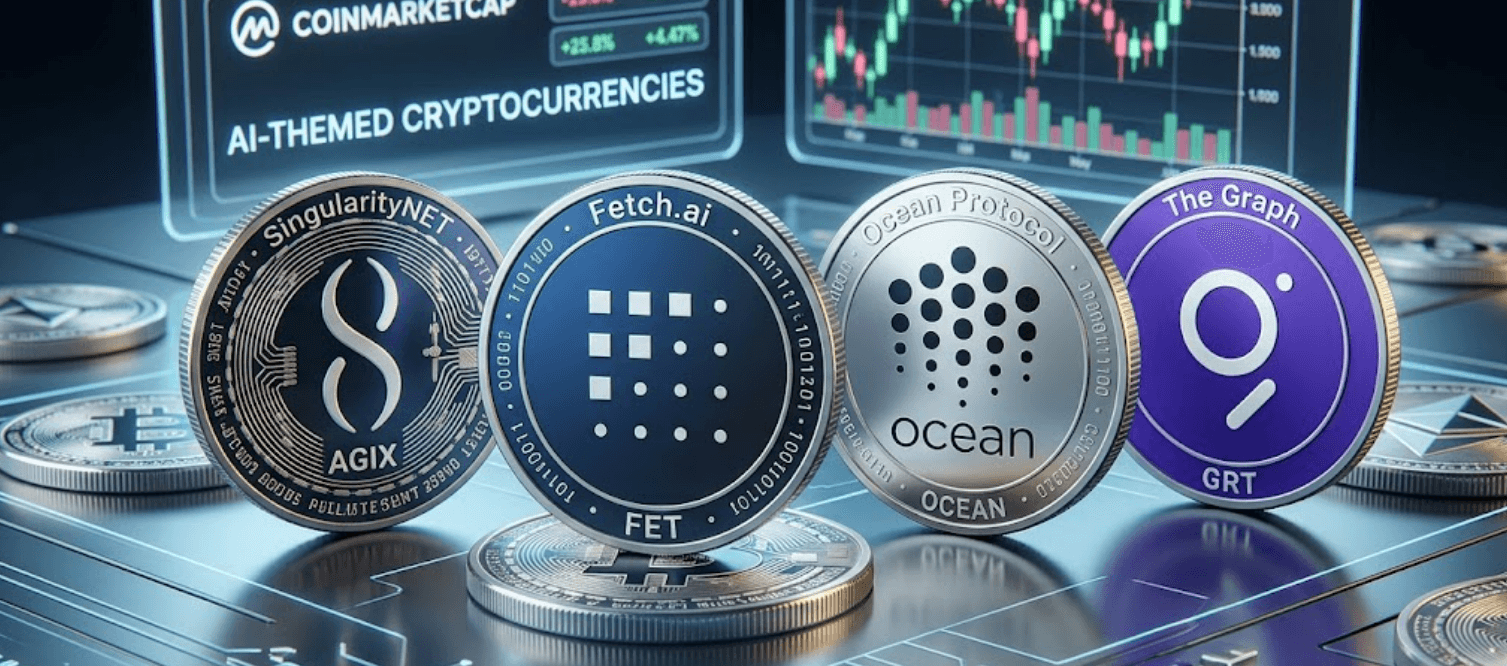
The landscape is defined by distinct utility rather than vague promises. Projects like the Artificial Superintelligence Alliance (FET) focus on autonomous agent coordination, while Render (RNDR) provides the essential decentralized GPU compute layer required for training large models. Bittensor (TAO) operates as a peer-to-peer intelligence market where subnets compete to provide data and services. Meanwhile, NEAR Protocol and Internet Computer (ICP) offer the scalable, low-latency environments necessary for real-time AI inference.
Navigating this space requires a cautious, analytical approach. The volatility inherent in both crypto and AI sectors means that prices can swing dramatically based on technical upgrades or regulatory news. Success in this niche depends on verifying claims against official source data and understanding the specific technical role each token plays within the broader AI ecosystem. This roundup focuses on five established tokens that represent the core infrastructure of this emerging sector.
5 AI Crypto Tokens to Watch in 2026: Trends, Risks, and Buying Strategies
The convergence of artificial intelligence and blockchain infrastructure presents significant opportunities in 2026, yet the volatility of these assets demands rigorous due diligence. This analysis examines five specific tokens—FET, RNDR, TAO, NEAR, and ICP—evaluating their underlying technology and market positioning to inform cautious investment decisions.
-

Fetch.ai (FET): The agent economy leader
Fetch.ai pioneers autonomous digital agents that execute complex transactions without human intervention. This protocol enables machines to negotiate data sharing and service delivery, creating a true agent economy. As 2026 approaches, FET’s focus on interoperable AI agents positions it as a critical infrastructure layer for decentralized automation, appealing to developers seeking scalable, trustless machine-to-machine interactions. -

Render (RNDR): Decentralized GPU power
Render Network aggregates idle GPU capacity to serve creators needing heavy rendering workloads. By distributing tasks across a global network, RNDR offers cost-effective alternatives to centralized cloud providers. This decentralized approach to graphics processing is vital for AI model training and high-fidelity visual generation, making RNDR a essential utility token for the expanding digital content economy in 2026. -
Bittensor (TAO): The decentralized subnet network
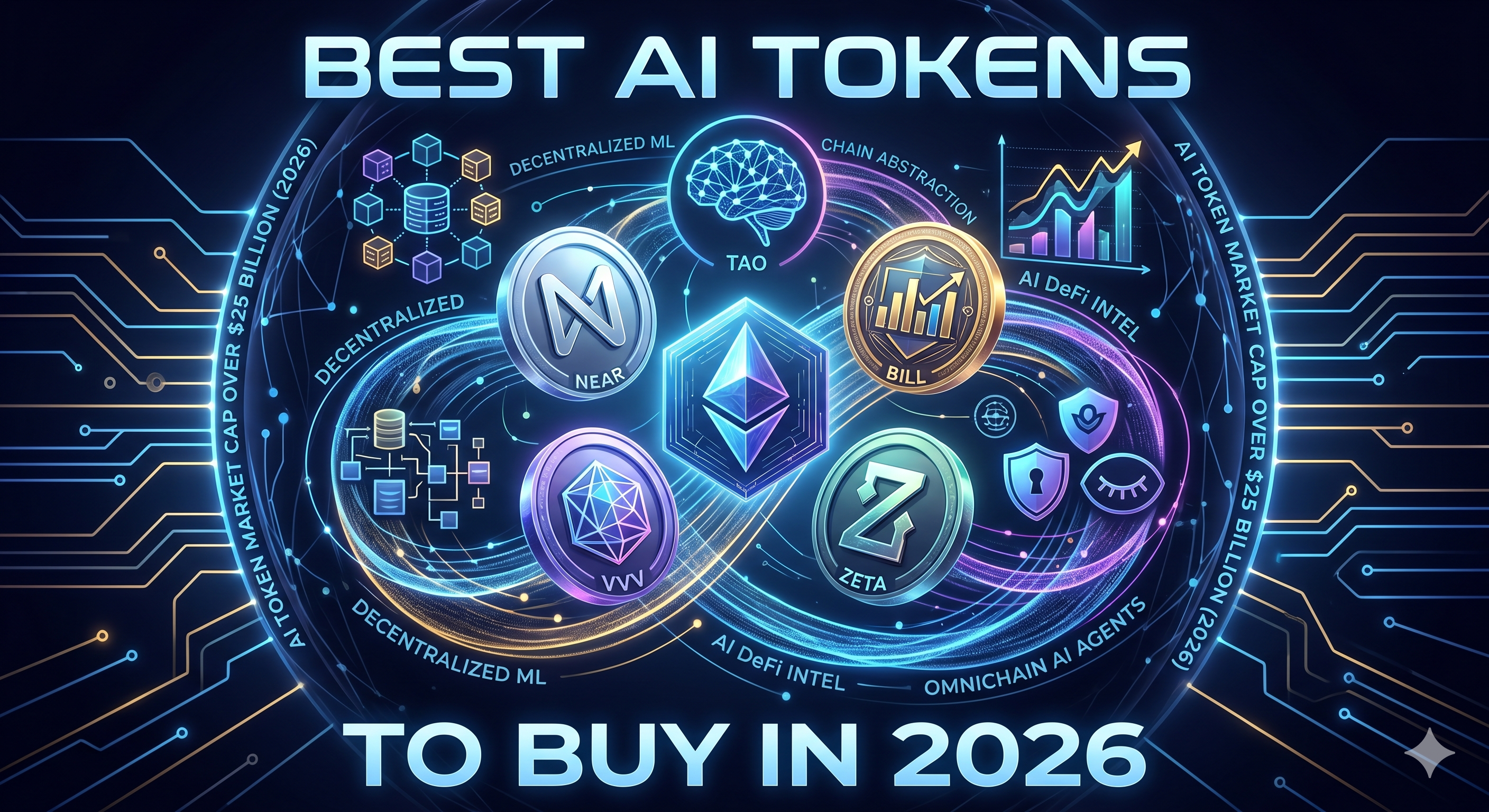
Bittensor operates as a decentralized machine learning network where miners contribute computational power to train AI models. Its unique subnet architecture allows specialized AI tasks to run independently yet collaboratively. TAO rewards contributors based on the quality of their machine learning outputs, creating a market-driven ecosystem for AI development that challenges centralized tech giants by democratizing access to intelligence. -
NEAR Protocol: Scalable AI infrastructure
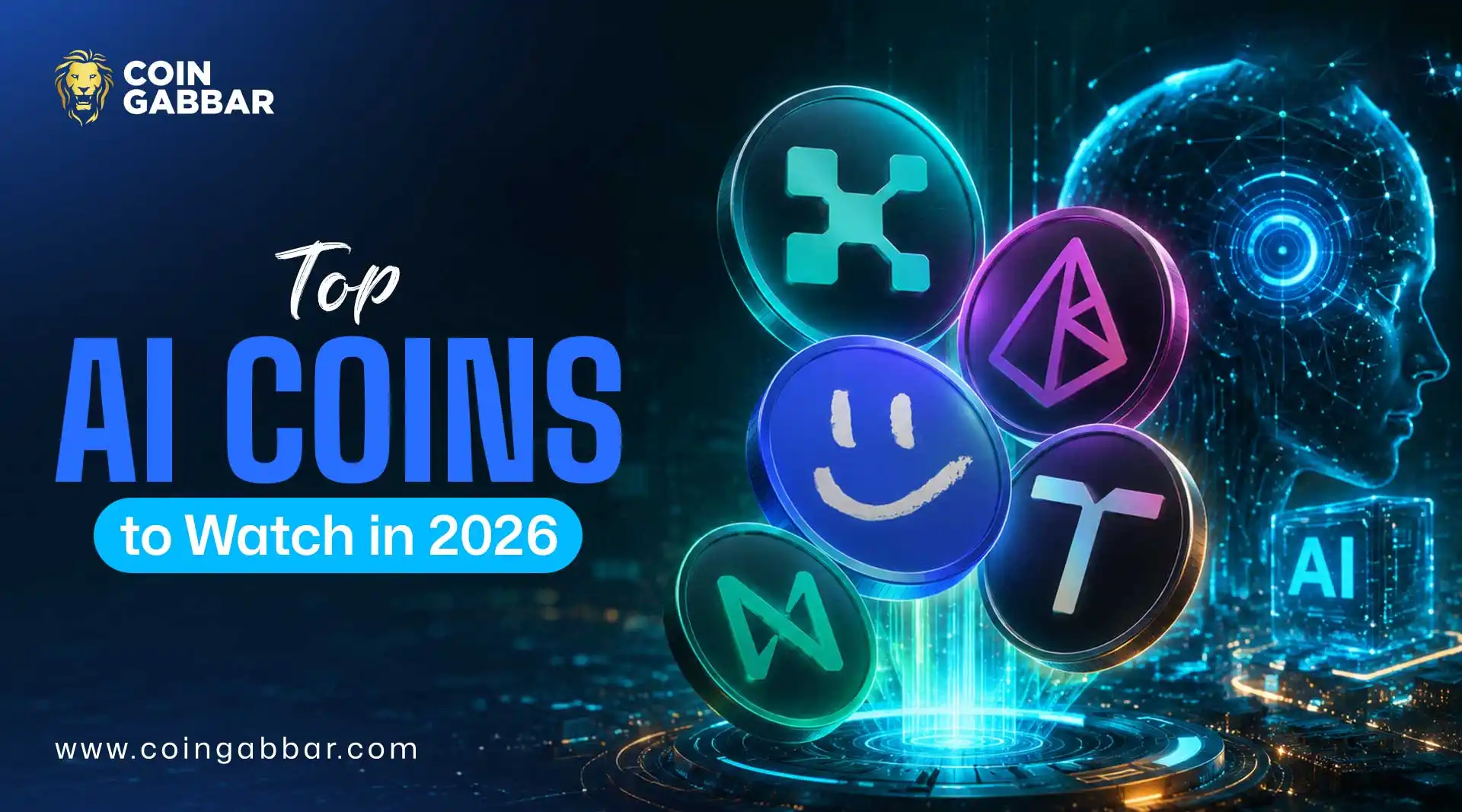
NEAR Protocol provides a high-throughput blockchain environment optimized for AI applications through its sharding technology. This scalability allows for rapid data processing and smart contract execution, crucial for real-time AI interactions. NEAR’s developer-friendly tools and cross-chain compatibility make it a robust foundation for building AI-driven dApps, ensuring that infrastructure can handle the growing demands of intelligent decentralized systems in 2026. -
Internet Computer (ICP): On-chain AI execution
Internet Computer enables smart contracts to run at web speed directly on the blockchain, eliminating traditional servers. This capability allows for full-stack AI applications to operate entirely on-chain, ensuring transparency and immutability. ICP’s unique architecture supports complex AI computations natively, offering a distinct advantage for projects requiring secure, decentralized hosting of intelligent algorithms without reliance on external cloud infrastructure.
Compare top ai crypto tokens side by side
Deciding between FET, RNDR, TAO, NEAR, and ICP requires looking past hype to their actual utility and risk profiles. Each token serves a distinct role in the decentralized infrastructure stack, from compute power to network governance.
The table below breaks down the primary function and market position of these five assets. Use this data to align your investment with your specific exposure to AI development, rather than treating them as a monolithic sector.
| Token | Primary Utility | Risk Profile |
|---|---|---|
| FET | Decentralized AI agents & data | Medium |
| RNDR | GPU rendering & compute | Low-Medium |
| TAO | Decentralized ML training | High |
| NEAR | Scalable blockchain infrastructure | Medium |
| ICP | Decentralized cloud computing | High |
How to buy AI crypto safely in 2026
Purchasing AI tokens like FET, RNDR, TAO, NEAR, and ICP requires a different mindset than buying traditional assets. The sector is volatile, and the risk of error is high. Follow these steps to secure your positions and mitigate common pitfalls.
Always confirm the official contract address from the project’s GitHub or verified social channels. Scammers frequently create look-alike tokens with similar names. Buying the wrong address results in a total loss of funds.
Use established platforms like Coinbase or Binance for initial purchases. These exchanges have rigorous compliance standards and liquidity for major AI tokens. Avoid obscure decentralized exchanges for your first transaction until you are comfortable with wallet interfaces.
Treat early AI token investments as high-risk experiments. Allocate only a small percentage of your portfolio to test the waters. This approach limits exposure if a specific project fails or if market conditions shift unexpectedly.
Move your tokens off the exchange to a hardware wallet like Ledger or Trezor. Leaving funds on an exchange exposes them to platform hacks or freezes. Self-custody ensures you retain full control over your assets.


As an Amazon Associate, we may earn from qualifying purchases.
Keeping your AI crypto tokens secure is an ongoing process. Regularly update your wallet software and never share your seed phrase with anyone. By following these precautions, you can participate in the AI crypto boom while protecting your capital from common security threats.
No comments yet. Be the first to share your thoughts!