The 2026 Market Landscape: Institutional Adoption and Diversification
The cryptocurrency market in 2026 has matured significantly, driven largely by the integration of digital assets into traditional financial portfolios. This shift is anchored by the approval and widespread adoption of Spot Bitcoin and Ethereum ETFs, which have provided institutional investors with a regulated, secure, and familiar entry point into the sector. These products have reduced the friction of custody and compliance, allowing pension funds and asset managers to allocate capital with greater confidence than in previous cycles.
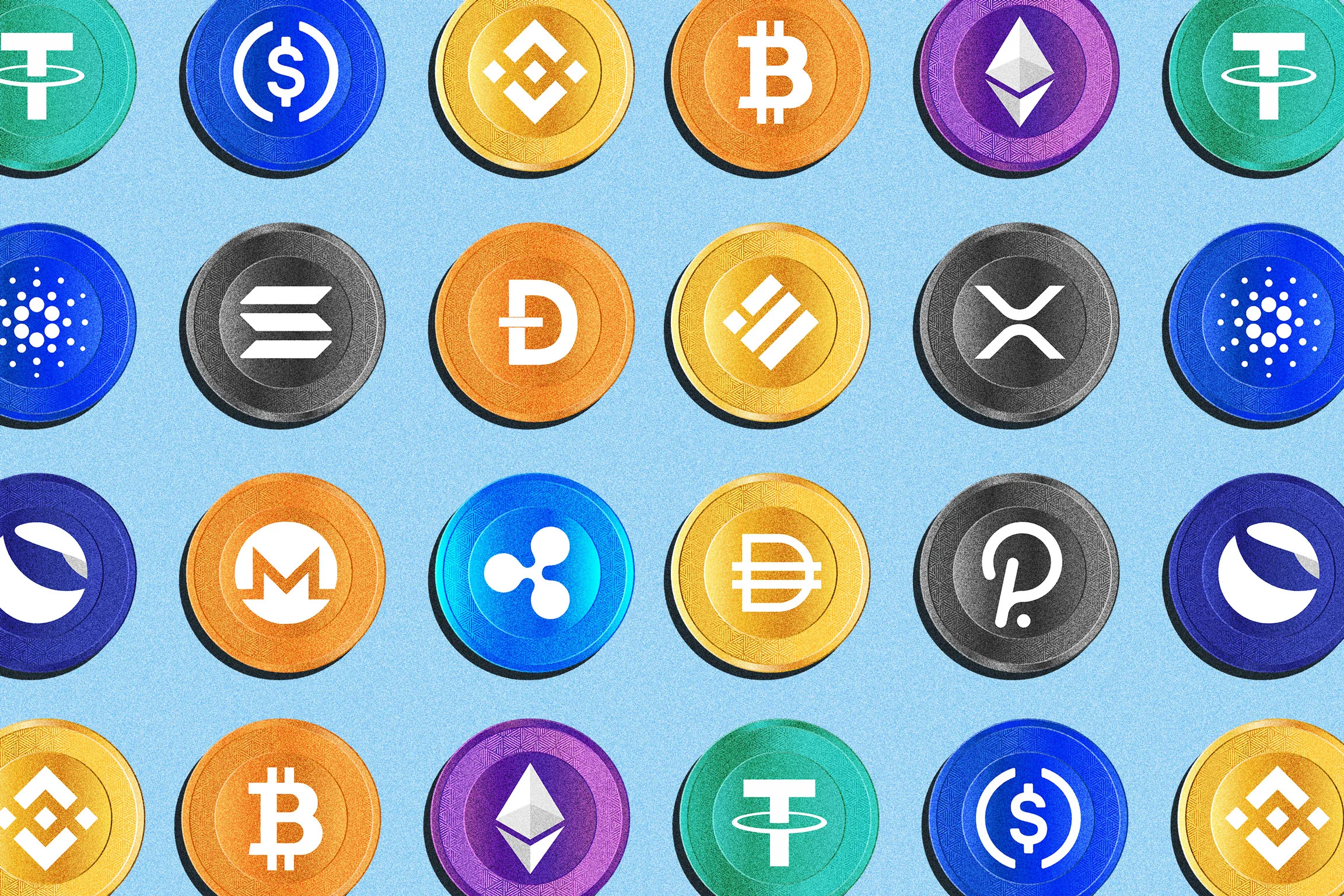
For investors seeking the best crypto to buy in 2026, this institutional foundation creates a dual-track market structure. On one side, established assets like Bitcoin (BTC) and Ethereum (ETH) serve as the bedrock of a diversified portfolio, offering relative stability through regulatory clarity and deep liquidity. On the other side, high-growth altcoins such as Solana (SOL) and XRP provide exposure to technological innovation and specific use cases, though they carry higher volatility.
A prudent strategy in this environment involves balancing these two categories. While ETFs anchor the portfolio in proven assets, direct holdings of leading altcoins allow investors to capture upside from network-specific developments. This approach mitigates the risk of relying solely on speculative trends while maintaining exposure to the sector's long-term growth potential. Understanding this balance is essential for navigating the current market dynamics effectively.
Bitcoin and Ethereum as foundational holdings
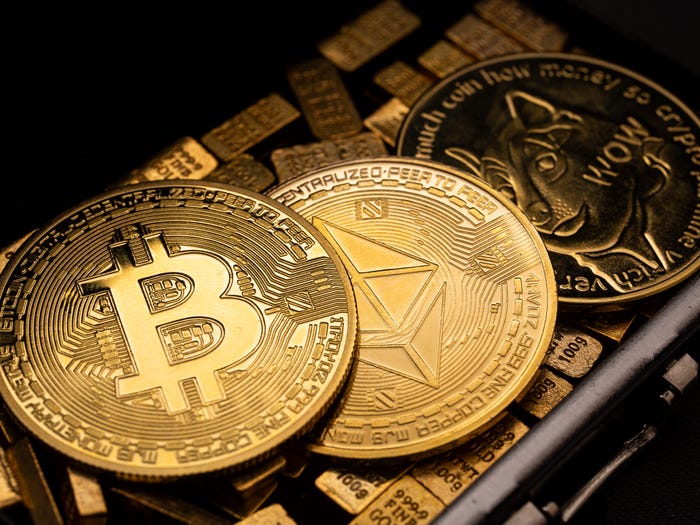
Bitcoin (BTC) and Ethereum (ETH) remain the primary anchors for institutional portfolios seeking exposure to digital assets. Their dominance is not merely a matter of brand recognition but of structural necessity: they offer the deepest liquidity, the clearest regulatory frameworks, and the most robust infrastructure for custody and settlement. For investors identifying the best crypto to buy, these two assets provide the stability required to weather market volatility while capturing long-term value appreciation.
The approval of spot Bitcoin and Ethereum ETFs has fundamentally altered the market structure, allowing traditional financial institutions to gain exposure without managing private keys or navigating complex on-chain transactions. This regulatory clarity reduces counterparty risk and integrates these assets into standard brokerage accounts, pension funds, and endowments. As a result, BTC and ETH serve as the low-risk foundation upon which higher-yield, higher-volatility altcoin positions are built.
While newer competitors emerge with specialized functionalities, Bitcoin’s fixed supply and Ethereum’s expansive developer ecosystem continue to drive network effects that are difficult to replicate. Institutional adoption is measured in billions of dollars of assets under management, and these two protocols consistently capture the majority of new inflows. Understanding their distinct roles is essential for constructing a balanced crypto allocation.
| Feature | Bitcoin (BTC) | Ethereum (ETH) |
|---|---|---|
| Primary Use Case | Store of value / Digital gold | Smart contract platform / dApps |
| Market Cap Rank | 1 | 2 |
| Volatility Profile | Lower relative to altcoins | Moderate |
| Regulatory Status | Commodity (SEC) | Commodity (SEC) |
| ETF Availability | Spot ETFs available | Spot ETFs available |
Technical analysis of long-term trends confirms that both assets have established higher lows over multi-year cycles, indicating strong institutional accumulation phases. Investors should view these holdings not as speculative bets but as core infrastructure plays in the evolving digital economy. The following chart illustrates the long-term price action for Bitcoin, highlighting its resilience during broader market downturns.
Top altcoins for growth and utility
While Bitcoin and Ethereum anchor the market, institutional capital is increasingly flowing into established altcoins that offer distinct utility or infrastructure advantages. These assets are not merely speculative bets; they serve as critical infrastructure for payments, smart contracts, and exchange ecosystems. Understanding their specific value propositions is essential for evaluating risk in a high-stakes portfolio.
Solana (SOL)
Solana remains the leading high-throughput blockchain for consumer-facing applications, particularly in decentralized finance (DeFi) and non-fungible tokens (NFTs). Its architecture prioritizes speed and low transaction costs, making it a practical choice for high-frequency trading and micro-transactions that are economically unviable on slower networks. Institutional interest is driven by its growing developer ecosystem and the stability of its network performance over recent cycles.
XRP (XRP)
XRP continues to serve as a bridge currency for cross-border payments, leveraging its pre-mined supply and fast settlement times to compete with traditional banking rails. Ripple’s ongoing legal clarity has reduced regulatory uncertainty, allowing financial institutions to integrate XRP for liquidity management. Its value proposition lies in its utility as a settlement layer for banks and payment providers seeking efficiency in international transfers.
BNB (BNB)
BNB is deeply integrated into the Binance ecosystem, the world’s largest cryptocurrency exchange by volume. Beyond its role as a fee-discount token, BNB powers the BNB Chain, a high-performance smart contract platform that hosts a wide array of decentralized applications. Institutional adoption is supported by the token’s utility in trading, staking, and participating in initial offerings on the Binance Launchpad, creating a consistent demand floor tied to exchange activity.
TRON (TRX)
TRON has established itself as a dominant network for stablecoin transfers, particularly USDT. Its low fees and high throughput make it the preferred chain for daily transactions and remittances in many regions. Institutional interest is driven by the sheer volume of stablecoin circulation on the network, which provides a steady revenue stream for validators and underscores the network’s role as a foundational layer for digital dollar transactions.
Secure your crypto with hardware wallets
Buying altcoins is only half the equation. The other half is ensuring those assets survive the digital landscape. Leaving cryptocurrency on an exchange or in a software wallet is like keeping your life savings in a digital envelope; it is convenient, but it is also vulnerable to exchange hacks, phishing attacks, and platform insolvencies. For institutional-grade security, you must take custody into your own hands using a hardware wallet.
Hardware wallets, often called cold wallets, store your private keys offline. This air-gapped approach ensures that even if your computer is infected with malware, the keys cannot be stolen. When you need to send crypto, the transaction is signed inside the device and only the signed data is broadcast to the network. This physical barrier is the industry standard for securing high-value holdings in 2026.
The market for these devices has matured significantly. You no longer need to choose between obscure, unverified gadgets and expensive, complex enterprise solutions. Leading manufacturers like Ledger, Trezor, and Tangem offer devices that balance security with user-friendly interfaces. These tools are essential for anyone looking to hold significant positions in Bitcoin, Ethereum, or emerging altcoins without relying on third-party custodians.
Choosing the right wallet depends on your specific needs. Some devices support hundreds of coins, while others focus on speed and simplicity with card-like form factors. Regardless of the brand, the principle remains the same: if you control the keys, you control your assets. The products below represent the current leaders in physical security, vetted for their track record and feature sets.


As an Amazon Associate, we may earn from qualifying purchases.
How to evaluate crypto investments
Selecting the best crypto to buy in 2026 requires a rigorous due diligence process. Institutional adoption signals long-term viability, but it also attracts sophisticated scams. Treat your evaluation like a financial audit, not a lottery ticket.
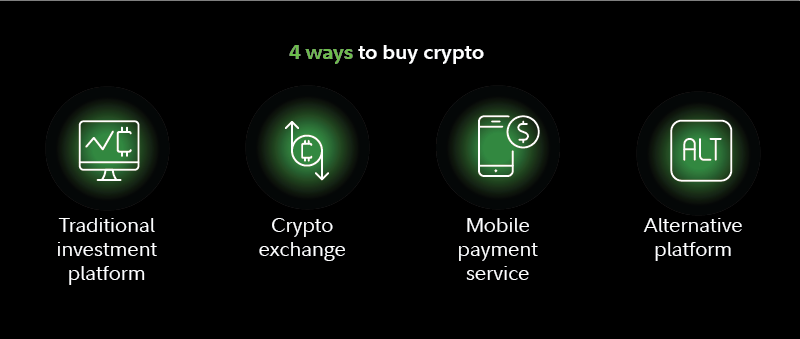
This checklist filters out noise. Focus on projects with real utility and transparent governance. Avoid anything that promises guaranteed returns.
Frequently asked questions about 2026 crypto
What is the safest crypto to buy for 2026?
Bitcoin remains the primary store of value for institutional capital, while Ethereum serves as the foundational layer for decentralized applications. For exposure to physical assets, Pax Gold (PAXG) offers a regulated alternative backed by gold reserves. These assets provide lower volatility compared to speculative altcoins, making them suitable for long-term portfolio stability.
Which altcoins are best for institutional adoption?
Solana is frequently cited for its high throughput and growing enterprise integrations, positioning it as a key infrastructure layer. Investors should prioritize projects with clear utility and active developer ecosystems over those relying solely on marketing. Institutional interest typically flows toward networks that offer scalability and regulatory clarity.
When is the best time to buy crypto in 2026?
Timing the market is rarely successful; instead, focus on dollar-cost averaging into established assets. Volatility in 2026 may create entry points, but waiting for a "perfect" low often results in missed opportunities. Consistent allocation strategies generally outperform speculative timing in unpredictable markets.
No comments yet. Be the first to share your thoughts!