
Market outlook for 2026
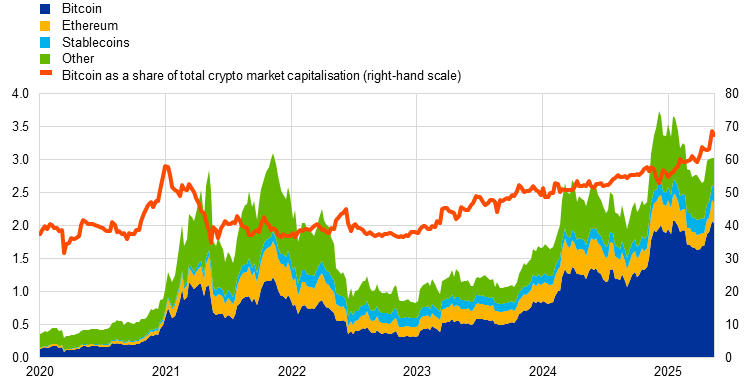
The path to buying crypto in 2026 is far less straightforward than the speculative rallies of previous years. Bitcoin has retreated significantly from its cycle peaks, shedding nearly 40% of its value alongside a broader sector that has seen capital evaporate. This downturn has transformed the market into a graveyard for unprepared investors, creating a stark divide between those chasing momentum and those analyzing fundamental value.
Current sentiment is dominated by caution. While regulatory frameworks are slowly taking shape and institutional infrastructure continues to mature, the immediate price action reflects a market in deep adjustment. For anyone looking to buy crypto in 2026, this volatility is not a signal to panic, but a data point requiring a disciplined, evidence-based approach rather than emotional reaction.
The broader ecosystem offers some stability through established assets. Bitcoin remains the primary anchor, with Ethereum and major stablecoins like USDT and USDC maintaining their positions in top market cap lists. However, the ease of past gains has been replaced by the need for rigorous selection. Investors must now navigate a landscape where regulatory progress and technological trends matter more than hype, making thorough research the only reliable entry strategy.
Key trends shaping crypto in 2026
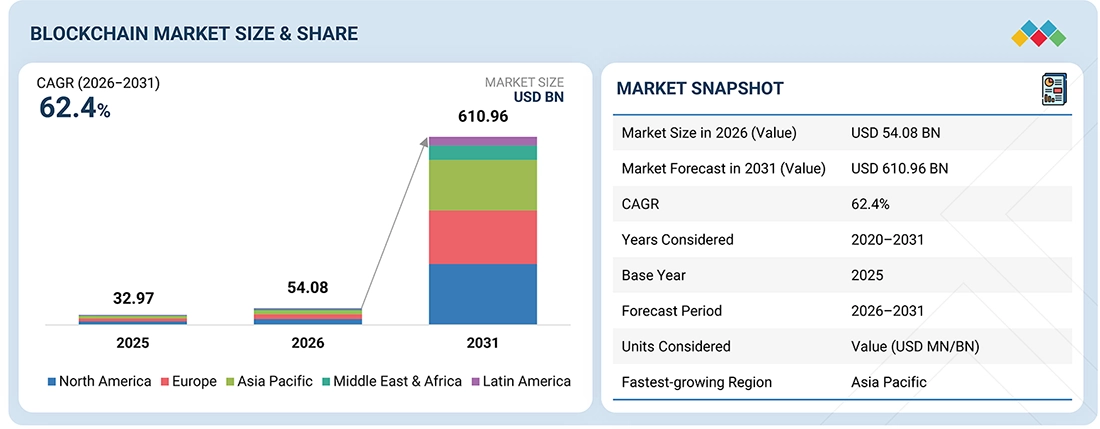
The path to buying crypto in 2026 is defined by three converging forces: institutional capital, regulatory clarity, and the tokenization of real-world assets. These elements are shifting digital assets from a speculative niche to a structural component of global finance. Understanding these drivers helps you identify safe entry points rather than chasing short-term volatility.
Institutional adoption and stablecoin growth
Institutional investors are no longer testing the waters; they are building permanent infrastructure. Silicon Valley Bank’s 2026 outlook highlights record merger and acquisition activity as banks and fintechs integrate crypto custody and trading into their core offerings. This institutional demand creates a floor for asset prices, reducing the extreme volatility that previously deterred cautious buyers.
Stablecoins are the primary vehicle for this liquidity. As regulatory frameworks solidify, the volume of stablecoin transactions is projected to grow significantly, facilitating faster and cheaper cross-border payments. For anyone looking to buy crypto in 2026, this infrastructure means that entering the market is more seamless and cost-effective than ever before.
Regulatory progress and RWA tokenization
Regulatory clarity is the single biggest catalyst for mainstream adoption. Coinbase’s 2026 market outlook notes that clear guidelines on digital asset classification are encouraging traditional financial institutions to allocate capital to crypto trusts and ETFs. When the legal risks are defined, large-scale capital flows in.
Simultaneously, Real-World Asset (RWA) tokenization is bridging the gap between traditional finance and blockchain. By tokenizing assets like treasury bills and real estate, the total addressable market for crypto expands far beyond speculative coins. This trend provides tangible utility and yield, making digital assets more attractive for long-term holding.
AI and decentralized infrastructure
Artificial intelligence is reshaping how blockchain networks operate and how data is valued. The intersection of AI and crypto is creating new use cases for decentralized computing power and data verification. This synergy adds a layer of technological utility that supports long-term price appreciation, distinguishing robust projects from fleeting trends.
As these trends mature, the market for buying crypto in 2026 will reward those who understand the underlying utility. Focus on assets that benefit from institutional integration, regulatory compliance, and real-world application rather than short-term speculation.
Top Cryptocurrencies to Watch
When you buy crypto 2026, the strategy shifts from speculation to utility. While the market is vast, capital is best allocated to assets with proven infrastructure and active developer ecosystems. These projects offer the stability needed for long-term holding while retaining the growth potential required to outpace traditional assets.
The following comparison highlights four dominant assets. This table helps you weigh market dominance against specific use cases, a critical step when deciding which coins to invest in for the coming year.
| Asset | Market Cap Rank | Primary Use Case | Risk Profile |
|---|---|---|---|
| Bitcoin (BTC) | 1 | Store of Value | Lower (Relative to Altcoins) |
| Ethereum (ETH) | 2 | Smart Contracts & DeFi | Moderate |
| Solana (SOL) | 5 | High-Speed Transactions | Higher |
| Binance Coin (BNB) | 4 | Exchange Utility | Moderate |
Bitcoin (BTC)
Bitcoin remains the bedrock of any crypto portfolio. As the largest cryptocurrency by market cap, it offers the highest liquidity and institutional adoption. For investors looking to buy crypto 2026 with a focus on safety, BTC is the primary anchor. Its fixed supply and decentralized nature make it a digital hedge against inflation, though it may not offer the explosive percentage gains of smaller altcoins.
Ethereum (ETH)
Ethereum is the leading platform for decentralized applications. If Bitcoin is digital gold, Ethereum is the digital oil that powers the broader ecosystem, including NFTs, DeFi, and stablecoins. Its transition to proof-of-stake has improved energy efficiency and introduced staking rewards, making it attractive for passive income strategies alongside price appreciation.
Solana (SOL)
Solana has carved out a niche for high-speed, low-cost transactions. It appeals to developers building consumer-facing applications that require thousands of transactions per second. While it carries higher volatility than Bitcoin or Ethereum, its technical architecture positions it as a strong contender for mass adoption in payments and gaming.
Binance Coin (BNB)
BNB is deeply integrated into the Binance ecosystem, the world’s largest crypto exchange. It offers utility through reduced trading fees and access to new token launches on the BNB Chain. Its value is tied closely to the health and regulatory standing of Binance, making it a unique blend of exchange utility and blockchain infrastructure.
Evaluating Risk in 2026
Not all cryptocurrencies carry the same risk. Market cap is a rough proxy for stability; larger caps like Bitcoin and Ethereum tend to be less volatile than mid-cap altcoins. When you buy crypto 2026, diversifying across these tiers can balance potential losses with growth opportunities. Always research the specific utility of each asset rather than following hype.
Safe entry strategies for investors
Buying crypto in 2026 requires a focus on risk management rather than timing the market perfectly. Volatility remains the defining characteristic of digital assets, making disciplined entry strategies essential for long-term investors. By adopting measured approaches, you can mitigate the stress of price swings and build a position steadily.
Instead of investing a lump sum, split your capital into smaller, regular purchases. This strategy smooths out the average entry price over time, reducing the risk of buying at a local peak. It is particularly effective for investors who want to buy crypto 2026 without worrying about daily market noise.
Do not concentrate your entire portfolio in a single asset. Allocate funds across major cryptocurrencies like Bitcoin and Ethereum, which have proven resilience, along with select altcoins that offer growth potential. This balance helps protect your capital if one sector underperforms.

Once you buy crypto 2026, move your assets off exchanges into a hardware wallet. Exchanges are vulnerable to hacks and insolvency. A cold storage device keeps your private keys offline, ensuring that only you have access to your funds. This is the most critical step for long-term security.
Treat cryptocurrency as a long-term savings vehicle rather than a get-rich-quick scheme. Historical data suggests that holding through market cycles yields better results than frequent trading. Set a timeline of 5 to 10 years to allow the market to stabilize and grow.


As an Amazon Associate, we may earn from qualifying purchases.
Where to buy crypto 2026
Finding a reliable platform is the first step to buying crypto 2026. The market has matured, meaning you should prioritize exchanges that maintain strict regulatory compliance and high liquidity. These factors protect your capital and ensure you can enter or exit positions without excessive slippage.
Binance remains the global leader for volume, offering the widest selection of assets. Kraken is the preferred choice for US-based buyers due to its transparent reserve proofs and long-standing security record. For those seeking simplicity, Coinbase provides a user-friendly interface with strong institutional backing, making it a safe entry point for beginners.
Always verify the exchange's licensing in your specific jurisdiction before depositing funds. Avoid unregulated offshore platforms that do not offer customer protection or insurance. The following chart tracks Bitcoin's current price action to help you time your entry.
Frequently asked: what to check next
What crypto can boom in 2026?
Solana (SOL) remains a primary candidate for significant growth due to its hybrid proof-of-stake and proof-of-history architecture. Designed for speed and scalability, the network processes thousands of transactions per second, allowing it to handle high-volume usage efficiently. Forbes highlights SOL's long-term momentum as a key factor for investors looking for high-growth potential in the 2026 market cycle.
What coins should I invest in in 2026?
Investors typically focus on established assets with strong liquidity when looking to buy crypto 2026 strategies. The top market cap leaders include Bitcoin (BTC) and Ethereum (ETH), which serve as the foundation for most portfolios. Other major contenders include Tether (USDT), Binance Coin (BNB), USDC, Ripple (XRP), Solana (SOL), and Tron (TRX), offering a mix of stability and utility.
Where to buy crypto in 2026?
The most reliable exchanges for purchasing digital assets include Binance, Kraken, Bybit, KuCoin, and Bitstamp. For users in specific regions, platforms like Luno and OKX provide localized support. Gate.io is also a viable option for accessing a broader range of altcoins. Always verify that the exchange is regulated in your jurisdiction before transferring funds.
No comments yet. Be the first to share your thoughts!