Get buying crypto in 2026 right
Before you transfer funds or select an exchange, securing your digital assets requires a foundation of compliance and preparation. In 2026, regulatory scrutiny is higher than ever, and the margin for error on the buyer side is slim. Skipping these prerequisites often leads to frozen accounts, failed transactions, or irreversible losses.
Start by verifying your identity with a government-issued ID. Most major platforms now require strict Know Your Customer (KYC) checks to comply with global anti-money laundering laws. Ensure your photo is clear and your ID is not expired; blurry images are the most common reason for initial rejection.
Next, choose a reputable exchange that aligns with your trading style. Whether you prioritize low fees, advanced charting tools, or regulatory safety, your choice dictates your experience. Established platforms like Coinbase, Kraken, and Binance offer varying levels of security and feature sets. Read recent user reviews to gauge current platform stability and customer support responsiveness.
Finally, secure your account before funding it. Enable two-factor authentication (2FA) using an authenticator app rather than SMS, which is vulnerable to SIM-swapping attacks. Consider using a dedicated email address for your crypto accounts to isolate potential phishing attempts from your primary inbox.
Work through the steps
Buying crypto in 2026 requires more than just clicking a button. With tighter regulatory oversight and evolving AI-driven fraud detection, the process demands careful verification and platform selection. This guide walks you through the exact sequence to purchase your first assets safely.
Start by selecting a platform that complies with your local regulations. In 2026, reliability and security are paramount. Coinbase remains the standard for beginners due to its public listing and strict compliance framework, while Kraken offers robust security for those prioritizing asset protection. Avoid unregulated offshore exchanges that lack clear legal recourse in case of insolvency or hacking.
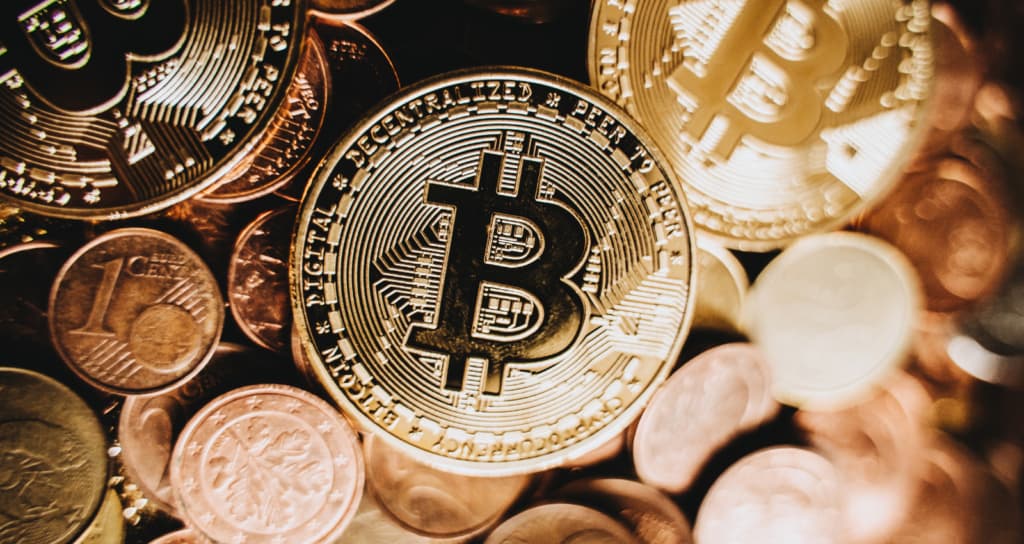
Once registered, you must complete Know Your Customer (KYC) verification. This process is mandatory in 2026 and requires submitting government-issued ID and often a selfie for biometric matching. AI-driven identity checks make this faster than in previous years, but ensure your photo lighting is even to avoid rejection. Without verified status, you cannot deposit fiat currency or trade.
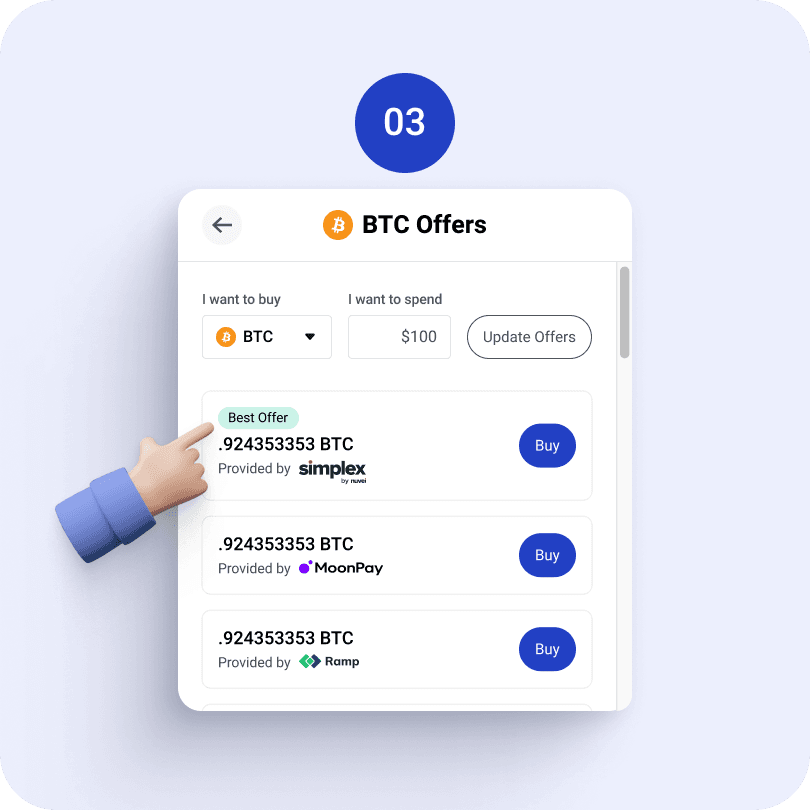
Connect your bank account or debit card. Bank transfers (ACH) typically offer lower fees but take 3–5 business days to settle. Debit cards provide instant purchases but often incur higher processing fees of 2–4%. Avoid credit cards for buying crypto, as many exchanges classify these as cash advances, triggering immediate interest charges from your bank.
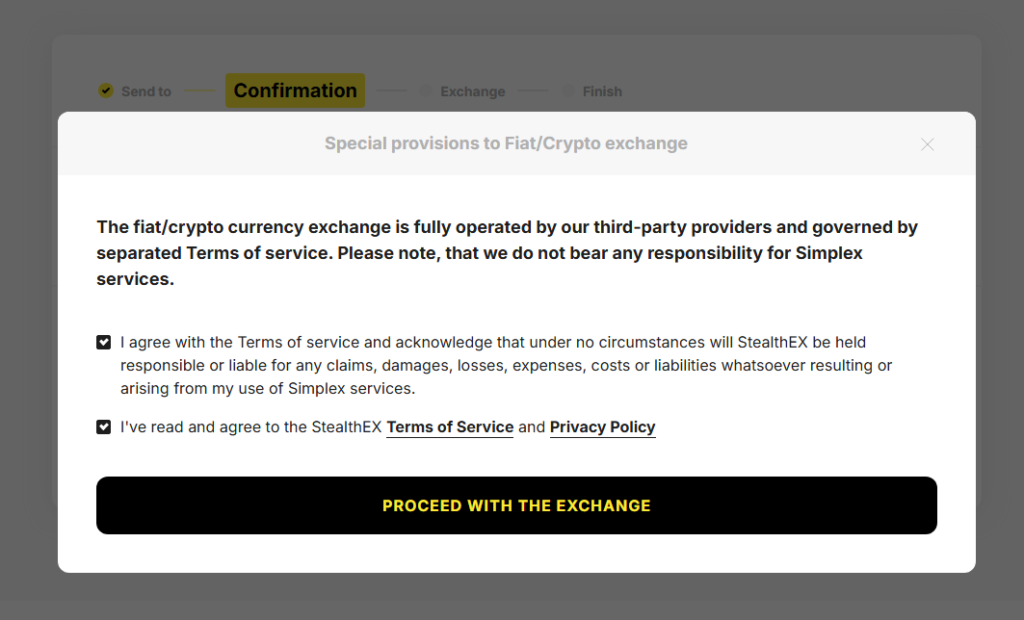
Before finalizing, carefully review the platform’s terms of service and fee schedule. 2026 regulations require explicit disclosure of all trading fees, withdrawal costs, and potential slippage. Ensure the platform clearly states its custody solution—whether assets are held in segregated accounts or pooled. This transparency is your primary defense against hidden costs and misappropriation.
Enter the amount of fiat currency you wish to spend. The platform will display the estimated crypto amount based on the current market rate. Confirm the transaction details, including the specific asset (e.g., BTC, ETH) and the total cost. Once confirmed, the assets will appear in your exchange wallet. For long-term holding, consider transferring them to a private hardware wallet for maximum security.
-
Verify exchange regulatory status in your jurisdiction
-
Complete biometric KYC verification
-
Link bank account or debit card
-
Review fee schedule and custody terms
-
Execute purchase and confirm receipt
Helpful gear
Use these product recommendations as a starting point, then choose the size, material, and price point that fit how you actually use the gear.
![The Crypto Millionaire Bible: [5 in 1] How to Easily Make Life-Changing Money in The Next Big 2025-2026 Bull Run with Smart Investing and Trading Any Cryptocurrency (Altcoins, Meme, NFT, Airdrops)](https://m.media-amazon.com/images/I/61K1jz+cWtL._AC_UY654_QL65_.jpg)


As an Amazon Associate, we may earn from qualifying purchases.
No comments yet. Be the first to share your thoughts!