
5 Crypto Tax Reporting Changes for 2026
The 2026 regulatory landscape demands precision as new IRS guidance tightens reporting requirements for digital asset transactions. This roundup identifies five critical changes affecting compliance, focusing on specific software solutions that align with official primary sources to mitigate audit risk.
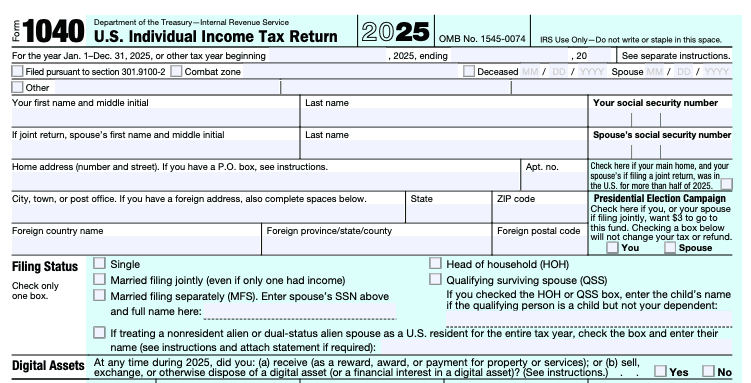
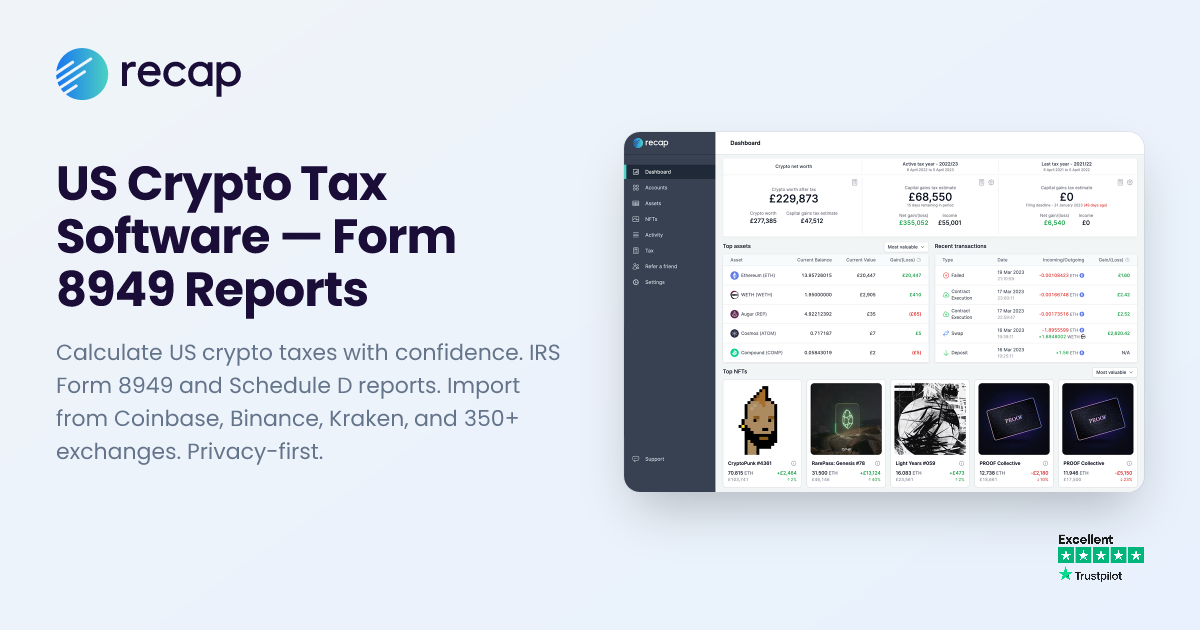
1. IRS Form 8949 digital reporting mandates
The IRS is tightening digital reporting requirements for cryptocurrency transactions, making Form 8949 compliance non-negotiable. Taxpayers must now meticulously track every trade, sale, or exchange on digital assets, ensuring that basis calculations are precise and reported accurately. Failure to comply with these enhanced digital mandates can trigger severe penalties, audits, or back taxes, so maintaining detailed, timestamped records is essential for avoiding costly errors during the 2026 filing season.
2. DeFi yield farming income classification rules
New guidelines clarify that yield farming rewards are taxable as ordinary income at the moment of receipt, not upon disposal. This classification significantly impacts your tax bracket, as these rewards are valued at fair market price when you gain control. Ignoring this rule can lead to underreported income, so users must log every reward claim. Accurate tracking of these decentralized finance earnings is critical to avoid IRS scrutiny and ensure proper tax liability calculation for the year.

3. Staking rewards fair market value timing
Staking rewards are now taxed as ordinary income based on the fair market value at the exact time you receive them. This timing rule is crucial because crypto prices can fluctuate wildly between receipt and sale. You must record the USD value at the moment of staking payout, not when you later sell the asset. Misjudging this timing can lead to incorrect basis calculations, potentially resulting in unexpected capital gains or losses when you eventually liquidate your staked holdings.
4. Cross-chain bridge transaction tax implications
Bridging assets between different blockchains is now treated as a taxable event, potentially triggering capital gains or losses. Moving tokens from Ethereum to Solana, for example, may be considered a disposal of the original asset. This rule complicates tax reporting, as every bridge transaction must be accounted for. Failing to report these intermediate steps can lead to discrepancies in your cost basis, resulting in overpayment or underpayment of taxes when you finally cash out on the destination chain.
5. NFT minting and trading capital gains
NFT minting and trading are now subject to strict capital gains reporting, with profits taxed based on the difference between sale price and original cost. Minting fees may be added to the cost basis, while trading profits are taxed as short-term or long-term gains depending on holding period. Accurate record-keeping of minting costs and sale prices is essential to calculate the correct tax liability and avoid penalties for underreported income from digital collectibles.

New IRS crypto reporting rules
The 2026 filing season marks a structural shift in how the Internal Revenue Service tracks digital assets. For years, crypto taxation relied heavily on self-reporting, but the landscape is changing as enforcement mechanisms tighten. This transition from voluntary disclosure to mandatory reporting creates a high-stakes environment for investors who may have previously overlooked small transactions.
The core of this change is the introduction of Form 1099-DA. Unlike previous reporting forms that focused on specific income types, this new form requires digital asset reporting agents—such as exchanges and brokers—to report the gross proceeds of all sales and exchanges. This means the IRS will receive a comprehensive view of your crypto activity, reducing the ability to hide transactions or claim ignorance about tax liabilities.
This regulatory shift is part of a broader global trend. As noted in PwC’s 2026 Global Crypto Tax Report, jurisdictions worldwide are aligning their tax frameworks to capture the growing volume of digital asset transactions. In the U.S., lawmakers have debated de minimis exemptions for small payments, but current proposals still aim for broad transparency. Investors should prepare for a filing season where data matching is immediate and comprehensive, making accurate record-keeping more critical than ever.
The new 1099-DA reporting standard
The 2026 tax season introduces a fundamental shift in how cryptocurrency transactions are reported to the IRS. The new Form 1099-DA replaces the fragmented 1099-B format that exchanges previously used for digital asset sales. This change eliminates the ambiguity of reporting crypto as "other income" or relying on incomplete broker data. Exchanges must now provide a unified, standardized record of every taxable event.
The new form captures granular data points that were previously missing or inconsistent. Exchanges are required to report the exact cost basis, the specific holding period for each asset, and the gross proceeds for every transaction. This level of detail forces a reconciliation between your internal records and the exchange's official ledger. Discrepancies that were once hidden by vague reporting codes are now visible to the IRS.
This standardization applies to all virtual currency transactions, including sales, trades, and certain staking rewards. The goal is to create a transparent audit trail that matches the precision of traditional securities trading. While the new rules increase compliance requirements, they also provide a clearer framework for calculating capital gains and losses.
The transition from 1099-B to 1099-DA marks a significant step toward regulatory clarity. Investors should review their transaction histories early to ensure their cost basis calculations align with the new reporting standards. Failure to reconcile these records could result in unexpected tax liabilities or audit risks.
| Data Field | Old 1099-B | New 1099-DA |
|---|
Wallet-by-wallet accounting
The 2026 tax landscape demands granular tracking of every self-custodied asset. Regulators are closing the gap between on-chain activity and reported income, meaning you can no longer rely on exchange statements alone. If you hold assets in a cold storage device or interact with decentralized finance protocols, those transactions must be reconciled against your exchange data to avoid reporting gaps that trigger audits.
This shift requires a rigorous audit of your entire digital footprint. A transaction on a decentralized exchange (DEX) is not exempt from reporting simply because it bypassed a centralized intermediary. You must track the cost basis and disposition date for every token movement, regardless of where it resides. Failure to reconcile these off-exchange activities with your primary exchange filings creates a discrepancy that tax authorities are increasingly equipped to detect.
The risk is particularly high for users of hardware wallets like Ledger or Trezor. While these devices offer security, they do not automate tax reporting. You are responsible for exporting transaction histories and mapping them to your tax software. If you fail to submit required statements or provide incorrect details, platforms face significant penalties, and users face the burden of proving their compliance. Treat every wallet address as a separate reporting entity until it is fully reconciled.
To ensure accuracy, consider using dedicated tax software that can import data from multiple blockchains and exchanges simultaneously. This reduces the manual effort required to trace transactions across different wallets and prevents costly errors during filing season.
Tax Loss Harvesting in the New Era
The 2026 reporting landscape fundamentally alters how investors approach tax loss harvesting. Unlike traditional equities, cryptocurrency has historically operated in a "wash sale" gap where the IRS did not apply the wash sale rule to digital assets. This loophole allowed traders to sell at a loss and immediately repurchase the same asset to reset their cost basis without triggering a disallowed deduction. However, as regulatory scrutiny intensifies and the IRS moves toward mandatory exchange reporting, this ambiguity is rapidly closing.
Under the new 2026 framework, the burden of proof shifts entirely to the taxpayer. With platforms required to submit detailed transaction statements, any attempt to game the system through rapid repurchase becomes far riskier. While the federal wash sale rule still technically excludes crypto, state tax authorities are beginning to align with traditional securities rules. Investors must now distinguish between federal and state reporting requirements to avoid double taxation or penalties.
To legally offset gains, investors should focus on diversification rather than simple repurchase. Instead of buying the same coin back immediately, consider swapping into a different asset within the same sector or waiting 31 days before repurchasing. This strategy preserves the tax benefit while maintaining market exposure. Always consult a tax professional to determine the specific state-level regulations that may apply to your jurisdiction.
Frequently asked: what to check next
Helpful gear
Use these product recommendations as a starting point, then choose the size, material, and price point that fit how you actually use the gear.


As an Amazon Associate, we may earn from qualifying purchases.
No comments yet. Be the first to share your thoughts!