Get buy crypto 2026 right
Before you fund an account or sign a transaction, ensure your foundation is solid. The 2026 regulatory environment demands more than just a wallet address; it requires verified identity, secure access, and a clear understanding of tax obligations. Skipping these steps often leads to frozen funds or unexpected compliance hurdles.
Verify your identity and jurisdiction
Most licensed exchanges now require full KYC (Know Your Customer) verification under 2026 anti-money laundering rules. You will need a government-issued ID and proof of address. Check if your state or country has specific restrictions on certain tokens or trading pairs, as some platforms restrict access based on local regulations.
Secure your access
Enable two-factor authentication (2FA) using an authenticator app, not SMS, which is vulnerable to SIM swapping. Set up backup codes and store them offline. If you plan to hold significant value, consider a hardware wallet like Tangem for cold storage, keeping your private keys offline and secure.
Understand the tax implications
Crypto transactions are taxable events in most jurisdictions. Keep a record of your purchase price, date, and any fees. Using a portfolio tracker that integrates with your exchange can help you generate accurate tax reports when filing. Ignoring this step can lead to audits or penalties later.


As an Amazon Associate, we may earn from qualifying purchases.
Work through the steps
Buying crypto in 2026 requires a tighter loop of verification than in previous years. Regulatory shifts have pushed exchanges to enforce stricter identity checks, while fee structures have diversified across platforms. This sequence walks you from account creation to your first trade, focusing on low costs and security.
Start by selecting a platform that complies with your local laws. In 2026, major regulated exchanges like Coinbase, Binance, or Gemini remain the standard for direct purchases. Some brokerages such as Webull and Robinhood also offer crypto trading, which can simplify account management if you already use them for stocks. Verify that the platform is registered with relevant financial authorities in your jurisdiction to ensure your funds are protected.
Before you can deposit funds, you must pass Know Your Customer (KYC) checks. This involves uploading a government-issued ID and often a selfie for facial recognition. Be prepared for this step to take anywhere from a few minutes to 24 hours depending on the platform's backlog. Do not attempt to skip this step; unverified accounts cannot execute trades or withdraw funds.
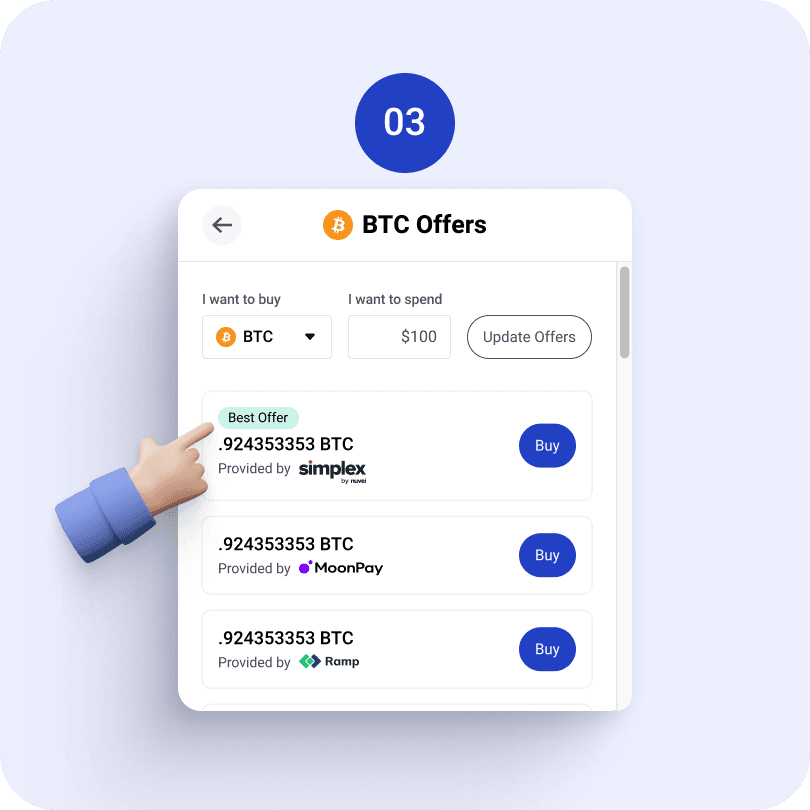
Connect your bank account, debit card, or credit card. Bank transfers (ACH or SEPA) typically have lower fees but slower settlement times, taking 3-5 business days. Debit cards offer instant funding but often incur higher transaction fees, sometimes ranging from 1% to 3%. Credit cards are generally discouraged for buying crypto due to cash advance fees and higher interest rates if you cannot pay the balance immediately.
Transfer the amount you wish to invest from your linked payment method to your exchange wallet. For bank transfers, wait for the funds to clear before attempting to trade, as pending transactions may be rejected. If you used a debit card, the funds should be available instantly. Double-check the deposit amount and currency to avoid conversion fees that can eat into your initial investment.
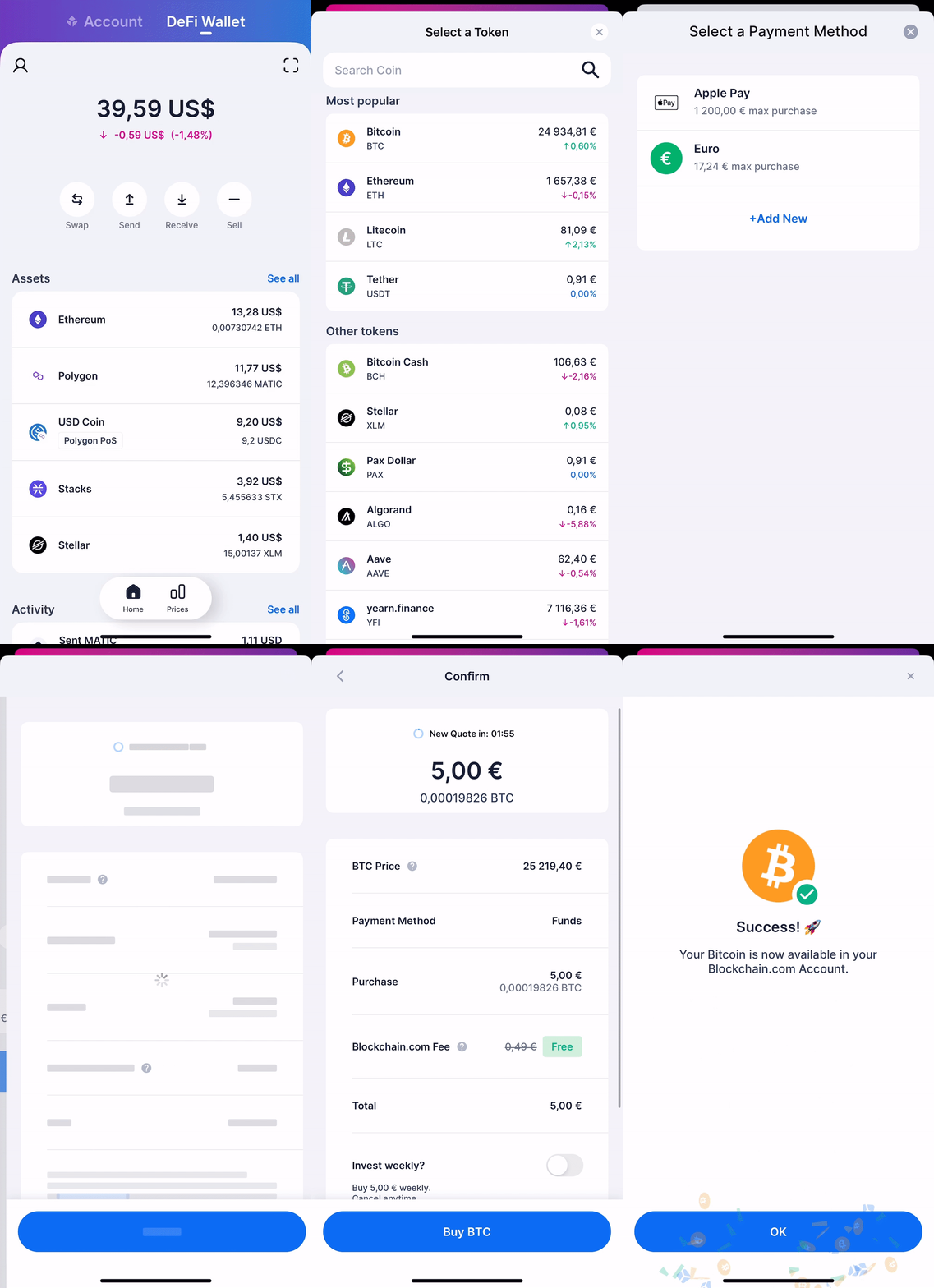
Navigate to the trade interface and select the cryptocurrency you want to buy. You can purchase a fraction of a coin, so you do not need enough money for a whole Bitcoin. Enter the amount in your local currency or the specific coin quantity. Review the total cost, including any trading fees and spread, before confirming. Once executed, the crypto will appear in your exchange wallet.
After completing these steps, ensure you understand how to securely store your assets. For small amounts, leaving crypto on a reputable exchange is acceptable, but for larger holdings, consider transferring to a personal wallet. Always enable two-factor authentication (2FA) on your exchange account to prevent unauthorized access.
-
Verified exchange is regulated in my jurisdiction
-
Completed KYC identity check
-
Linked preferred payment method
-
Deposited funds successfully
-
Executed trade and reviewed fees
Common mistakes when buying crypto
Even with a regulated broker or exchange, small errors can lead to lost funds, high fees, or security breaches. The following mistakes are the most frequent causes of poor outcomes for new traders.
Sending crypto to the wrong network
This is the most common technical error. Cryptocurrencies exist on multiple blockchains, and tokens like USDT or USDC operate differently on Ethereum, Tron, and Polygon. If you send USDT via the Ethereum network to an address expecting the Tron network, the funds are lost permanently. Always verify that the deposit address and the withdrawal network match exactly. Use the same chain for both sending and receiving.
Ignoring trading fees
Many beginners focus on the price of the asset but ignore the cost to acquire it. Some platforms advertise "zero fees" but embed costs in the spread, the difference between the buy and sell price. Others charge high withdrawal fees. Check the fee schedule for both trading and withdrawal. On-chain transactions also require gas fees, which can spike during high traffic. Calculate the total cost, not just the asset price.
Using unverified exchange addresses
Phishing attacks often redirect users to fake exchange websites or apps that look identical to legitimate ones. Always type the URL directly into your browser or use a bookmarked link. Never click on links from emails or social media ads to log in. Verify the domain name carefully. For large transactions, consider using a hardware wallet or a cold storage solution to keep your private keys offline.
Skipping two-factor authentication
Relying solely on a password is insufficient. Enable 2FA using an authenticator app like Google Authenticator or Authy. Avoid SMS-based 2FA if possible, as SIM-swapping attacks can bypass text message codes. This extra layer of security prevents unauthorized access even if your password is compromised. Most reputable exchanges require this for withdrawals.
Buying on impulse without research
FOMO (fear of missing out) leads to buying at peaks. Before purchasing, check the asset’s history, market cap, and utility. Avoid coins promoted by influencers without independent verification. Stick to established assets or thoroughly researched projects. Set a budget and stick to it. Dollar-cost averaging (DCA) is a safer strategy than lump-sum investing for volatile assets.
Buy crypto 2026: what to check next
Before moving funds, address the practical hurdles of buying crypto in 2026. The regulatory landscape has shifted, making platform choice and security checks more critical than in previous years.
No comments yet. Be the first to share your thoughts!