Get buying crypto in 2026 right
Before you deposit funds, you need to handle the administrative groundwork. The crypto market in 2026 is heavily regulated, meaning exchanges will require strict identity verification before you can trade. Skipping this step means you will hit a wall the moment you try to withdraw your assets.
Start by selecting a regulated exchange like Coinbase, Kraken, or Binance. Ensure the platform complies with U.S. regulations if you are based in the United States. For beginners, using a major exchange is safer than using peer-to-peer apps that may lack consumer protections.
You will also need to prepare your payment method. Bank transfers (ACH) are the cheapest way to fund your account, but they take several days to clear. Credit cards are faster but often carry high cash-advance fees and higher transaction costs. Debit cards offer a middle ground but may have daily limits.
Finally, secure your account with two-factor authentication (2FA) before making your first purchase. Do not rely on SMS-based codes, which are vulnerable to SIM-swapping attacks. Use an authenticator app or a hardware key to protect your login credentials from the start.
Work through the steps
Buying crypto in 2026 requires more than just clicking a button. You need to navigate regulated exchanges, verify your identity, and choose a payment method that balances speed with cost. This guide walks you through the exact sequence to acquire Bitcoin or Ethereum safely.
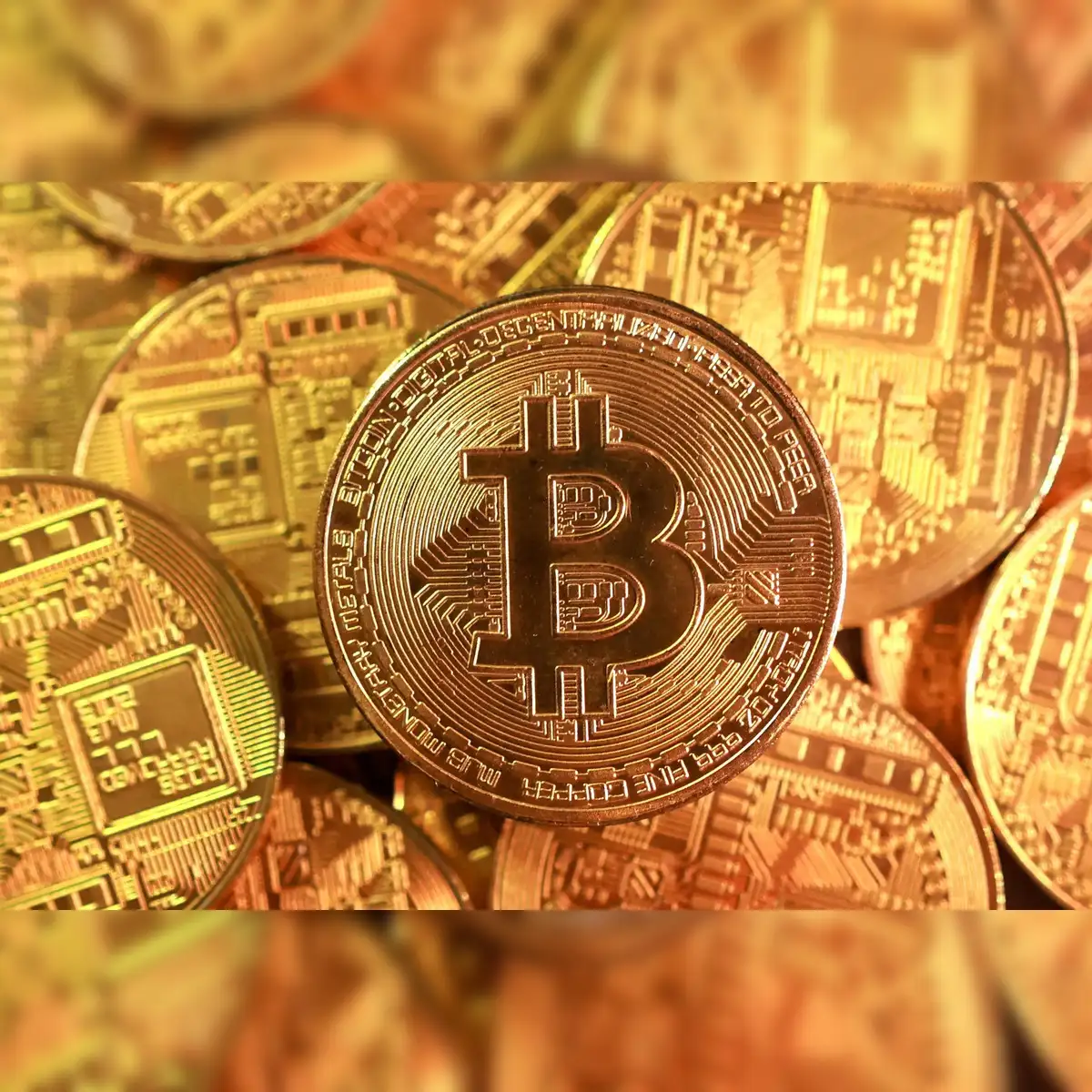
Start by selecting an exchange that complies with U.S. regulations. In 2026, top picks include Coinbase, Kraken, and Gemini for their security track records. Avoid unregulated offshore platforms that promise high yields but lack insurance or legal recourse. Check if the platform is registered with FinCEN and complies with state money transmitter laws.
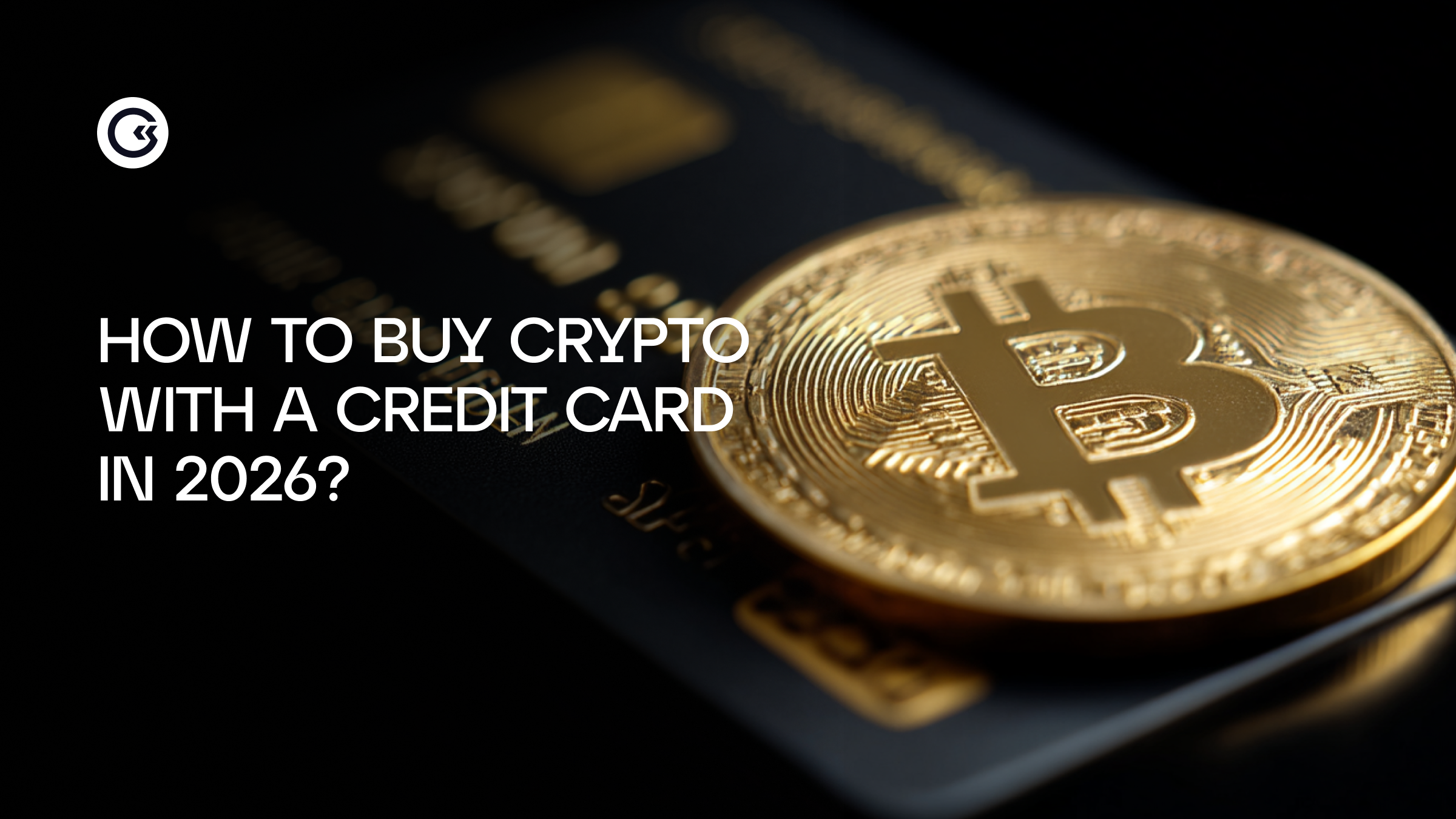
Once you sign up, you must complete Know Your Customer (KYC) verification. This involves uploading a government-issued ID and sometimes a selfie for facial recognition. This step is mandatory for regulated exchanges. Do not skip it; accounts without verification cannot hold significant assets or withdraw funds.
Connect a bank account or debit card. Bank transfers (ACH) usually have lower fees but take 3-5 days to clear. Debit cards are instant but often carry 3-5% processing fees. For larger purchases, wire transfers are cheaper but require more manual effort. Ensure your bank does not block crypto transactions, as some institutions restrict them.
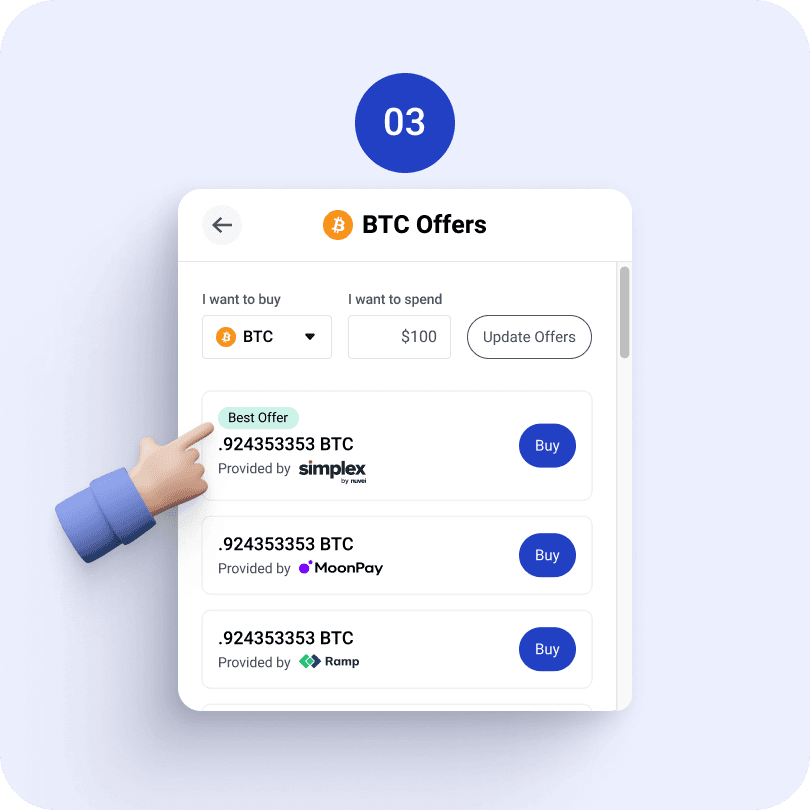
Navigate to the buy section and select the asset, such as Bitcoin (BTC) or Ethereum (ETH). Enter the dollar amount you wish to spend. Review the fees and the exchange rate before confirming. In 2026, many exchanges offer "limit orders" to buy at a specific price, which can save you money during volatile market swings.
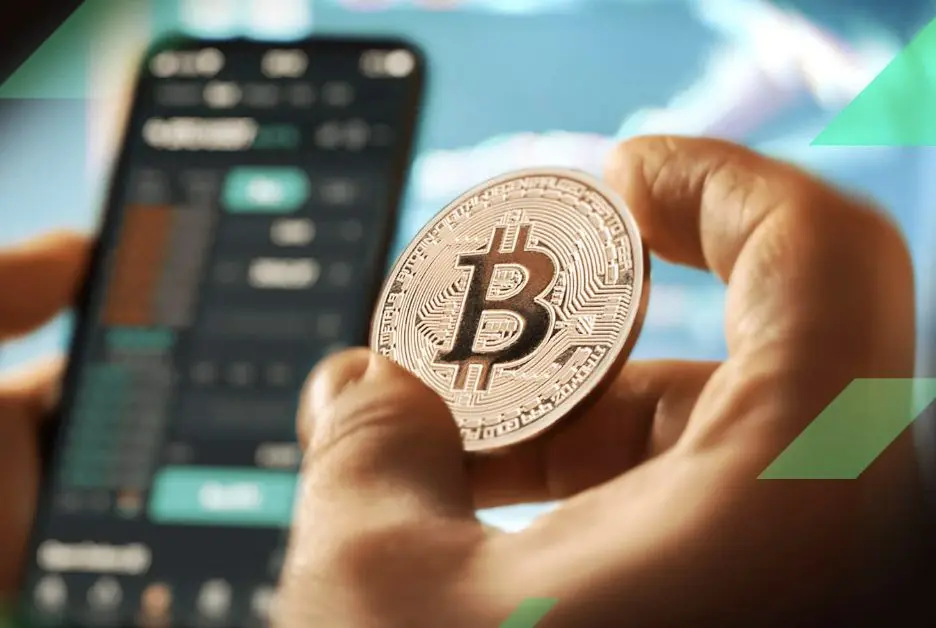
Leaving crypto on an exchange is risky. For significant holdings, transfer your assets to a self-custody wallet like a hardware device (Ledger or Trezor). If you keep small amounts on the exchange for trading, enable two-factor authentication (2FA) using an authenticator app, not SMS. This protects your account from SIM-swapping attacks.
Fix common mistakes
Buying crypto is simple; keeping it safe is not. Most losses in 2026 come from avoidable errors, not market volatility. You are more likely to lose funds to a bad exchange choice, a phishing link, or a misplaced seed phrase than to a price drop. Treat these mistakes as system failures, not bad luck.
Choosing the wrong exchange
New users often pick the first platform they see or chase low fees without checking regulation. In 2026, regulatory compliance is the primary shield against exchange insolvency. If an exchange operates in a gray area or lacks proper licensing in your jurisdiction, your funds are effectively uninsured.
Prioritize regulated platforms like Coinbase, Kraken, or Gemini if you are in the US. Avoid offshore exchanges that promise high yields or lack transparent proof of reserves. The fee difference between a regulated and unregulated exchange is negligible compared to the risk of total loss. Always verify the exchange’s legal entity and jurisdiction before depositing fiat.
Leaving funds on the exchange
Many beginners leave large balances on exchanges, treating them like bank accounts. Exchanges are custodians, not banks. If the platform is hacked or goes bankrupt, you are an unsecured creditor. You will likely lose everything.
Move your long-term holdings to a self-custody wallet. For Bitcoin and Ethereum, a hardware wallet is the standard. It keeps your private keys offline and out of reach from online threats. Only keep the amount you plan to trade actively on the exchange. This separation limits your exposure to platform risk.
Ignoring security basics
Security mistakes are often small but fatal. Reusing passwords, clicking suspicious links, or storing seed phrases digitally are common entry points for thieves. Phishing attacks in 2026 are highly sophisticated, mimicking legitimate exchange emails and support chats.
Use a unique, strong password for your exchange account and enable two-factor authentication (2FA) using an authenticator app, not SMS. Never share your seed phrase. Never enter it into a website or app. Store it physically in a secure location. If you lose your seed phrase, you lose your crypto forever. There is no customer support to recover it.
Overlooking tax implications
Crypto transactions are taxable events in most jurisdictions. Buying, selling, trading, or even spending crypto can trigger capital gains or losses. Many users ignore this until they face an audit. The complexity of tracking every transaction across multiple wallets and exchanges is significant.
Use a reputable crypto tax software to track your transactions. Export your trade history from your exchange and import it into the software. Calculate your gains and losses accurately. Failing to report crypto income can lead to penalties and interest. Consult a tax professional if your activity is complex.
Buy crypto 2026: common: what to check next
Buying digital assets in 2026 involves navigating stricter regulations and a more mature market than previous years. Below are the practical answers to the most frequent questions about getting started, choosing platforms, and selecting assets.
Helpful gear
Use these product recommendations as a starting point, then choose the size, material, and price point that fit how you actually use the gear.
![The Crypto Millionaire Bible: [5 in 1] How to Easily Make Life-Changing Money in The Next Big 2025-2026 Bull Run with Smart Investing and Trading Any Cryptocurrency (Altcoins, Meme, NFT, Airdrops)](https://m.media-amazon.com/images/I/61K1jz+cWtL._AC_UY654_QL65_.jpg)


As an Amazon Associate, we may earn from qualifying purchases.
No comments yet. Be the first to share your thoughts!