Crypto onboarding in the United States is about to get a serious glow-up. As Bitcoin holds strong above $100,000, currently sitting at $109,402.00, the U. S. government is rolling out the red carpet for digital assets with its first-ever “Crypto Week, ” set for July 14,2025. This isn’t just political theater - it’s a seismic shift in how Americans will enter and interact with the crypto universe in the coming years.

What Is 'Crypto Week' and Why Does It Matter?
For crypto newcomers and veterans alike, July 2025 marks a turning point. The House of Representatives has designated a full week to debate and likely pass three transformative bills: the CLARITY Act, the Anti-CBDC Surveillance State Act, and the GENIUS Act. Each bill targets a different pain point in crypto regulation and onboarding:
- CLARITY Act: Eases regulatory uncertainty for blockchain projects, making it easier for new users to trust and use digital assets.
- GENIUS Act: Sets clear rules for stablecoins pegged to the U. S. dollar, demanding transparency about reserves so people know exactly what backs their digital dollars.
- Anti-CBDC Surveillance State Act: Blocks creation of a U. S. central bank digital currency (CBDC) that could threaten financial privacy, giving users more confidence to explore decentralized assets.
This legislative trifecta is designed to make crypto onboarding in 2025 as seamless as signing up for PayPal or Venmo - but with more freedom, less surveillance, and radically improved consumer protection.
The Regulatory Clarity Revolution: GENIUS Act and FIT21
If you’ve ever tried explaining stablecoins or regulatory gray areas to your friends (or your skeptical uncle), you know how intimidating onboarding can be. The GENIUS Act, passed by the Senate on June 17,2025, changes everything by requiring that all U. S. -backed stablecoins are fully collateralized by dollars or Treasury bills - with monthly reserve disclosures. No more guessing if your stablecoin is actually stable!
The earlier FIT21 Act (passed May 2024) complements this by drawing clear lines between what’s regulated as a commodity (by the CFTC) versus what falls under securities law (SEC). For anyone onboarding into crypto in 2025, this means fewer regulatory surprises and much more confidence that their assets are secure and compliant. It’s not just about rules - it’s about opening doors for mainstream users who want assurance before taking their first leap into Web3.
No CBDC? More Privacy and Freedom for New Users
The Anti-CBDC Surveillance State Act is arguably one of the most radical privacy wins in recent memory. By blocking any attempt at launching a retail central bank digital currency in America, Congress is sending a bold message: decentralized finance should empower individuals without putting every transaction under government scrutiny.
This move directly impacts crypto onboarding by removing one of the biggest fears among new users - loss of privacy or state overreach into personal finances. Instead of being funneled into government-controlled wallets, Americans can choose from an expanding array of private wallets and non-custodial solutions that put them in charge.
Do you feel safer onboarding into crypto now that the U.S. has blocked a central bank digital currency (CBDC)?
With the recent passage of the Anti-CBDC Surveillance State Act and other major crypto bills during 'Crypto Week,' the U.S. has officially blocked the creation of a central bank digital currency. Lawmakers say this move protects privacy and financial autonomy. Has this made you feel more secure about joining the crypto space?
A New Era for Institutional Adoption and Consumer Trust
This wave of legislation isn’t just about protecting individuals; it’s also an open invitation to institutional players who’ve been waiting on regulatory clarity before diving into crypto markets. The establishment of a Strategic Bitcoin Reserve - using forfeited BTC held by the Treasury - signals that even Uncle Sam sees value in holding digital gold alongside traditional assets (details here). As these institutions ramp up their involvement, expect user-friendly ramps, robust security protocols, and creative new products aimed at everyday Americans entering Web3.
With Bitcoin’s price holding steady at $109,402.00, the message is loud and clear: digital assets are here to stay, and the U. S. government is finally building the on-ramps to welcome everyone. The days of confusing sign-ups, murky legal language, and “wait and see” hesitation are fading fast. Instead, 2025’s legislative push is setting a global standard for crypto onboarding that prioritizes transparency, safety, and user empowerment.
What Onboarding Looks Like in 2025: Simpler, Safer, Smarter
Let’s get specific: What does this mean for someone new to crypto? Thanks to these laws, onboarding will feel less like navigating a minefield and more like joining your favorite fintech app. Here’s how:
How New U.S. Laws Will Revolutionize Crypto Onboarding
- Clear Stablecoin Rules with the GENIUS Act: The GENIUS Act requires stablecoins to be fully backed by U.S. dollars or Treasury bills, with monthly reserve disclosures. This transparency makes it safer and easier for newcomers to trust and use stablecoins for payments and savings.
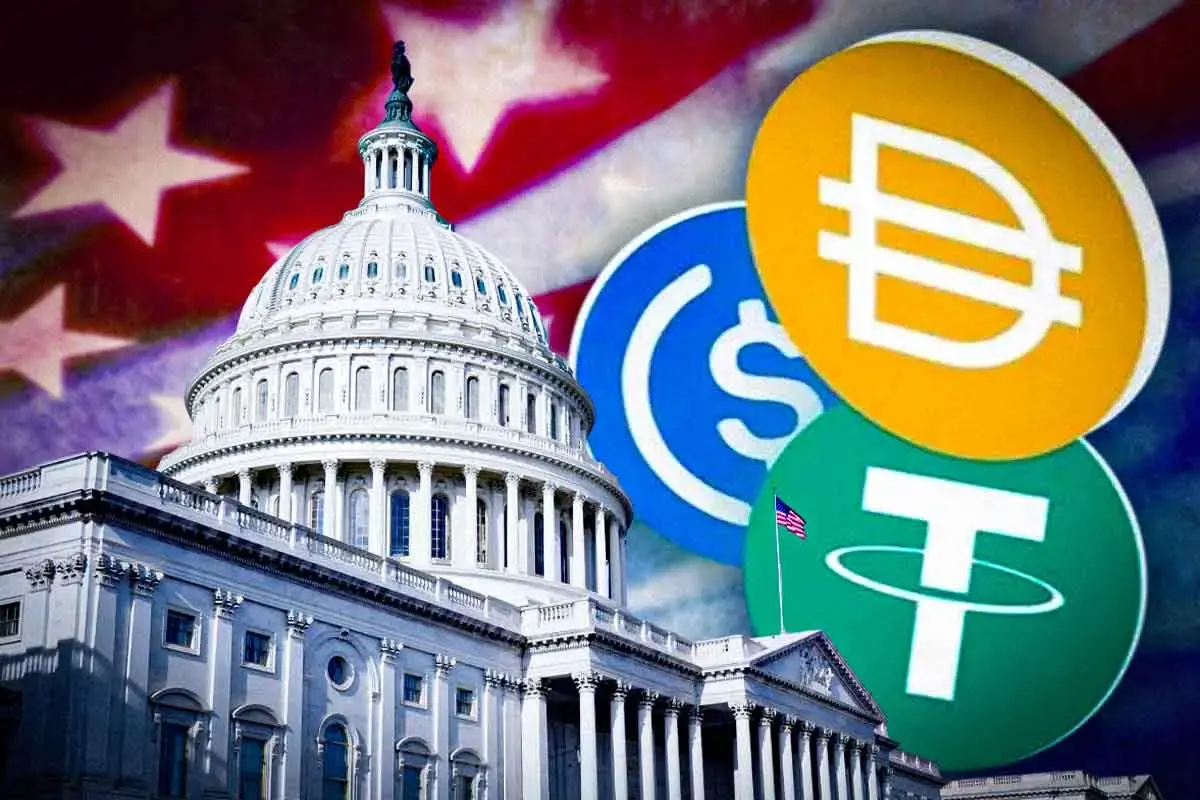
- Regulatory Clarity via FIT21: The Financial Innovation and Technology for the 21st Century Act (FIT21) clearly defines which digital assets are regulated by the SEC or CFTC. This reduces onboarding confusion for both individuals and businesses, paving the way for seamless crypto integration into mainstream finance.

- Federal Endorsement with the Strategic Bitcoin Reserve: The creation of a Strategic Bitcoin Reserve signals strong government support for Bitcoin, currently trading at $109,402.00. This boosts confidence for new users and institutions considering crypto adoption.

- Consumer Protection through Stablecoin Oversight: The GENIUS Act enhances consumer safety by mandating robust reserve requirements and regular audits for stablecoin issuers, making crypto onboarding less risky for everyday Americans.

- Preserving Privacy with the Anti-CBDC Surveillance State Act: New laws, including the Anti-CBDC Surveillance State Act and Executive Order 14178, block the creation of a U.S. central bank digital currency, ensuring that onboarding into crypto preserves user privacy and financial autonomy.
1. Streamlined KYC and AML: With regulatory clarity from FIT21 and the CLARITY Act, exchanges can offer faster identity checks without endless paperwork or arbitrary delays.
2. Stablecoins You Can Trust: The GENIUS Act means every U. S. -backed stablecoin must publish monthly reserve reports, no more shadowy operators or rug pulls.
3. Privacy by Default: With the Anti-CBDC Surveillance State Act in place, you won’t be forced into a government wallet or have your spending tracked by default.
4. Institutional-Grade Security: As banks and asset managers pile in post-Strategic Bitcoin Reserve announcement, expect best-in-class security tools to trickle down to retail users.
Onboarding Tips for 2025: Navigating Your First Crypto Steps
If you’re ready to dive in but don’t know where to start, don’t worry, you’re not alone! Here are some quick tips tailored for the new regulatory landscape:
- Choose exchanges registered under FIT21 rules. They’ll have clear disclosures about what assets are regulated as commodities or securities.
- Check stablecoin transparency reports. Make sure any stablecoin you use is fully backed as required by the GENIUS Act (see Senate milestone here).
- Pursue self-custody if privacy matters most. With no CBDC looming over your shoulder, personal wallets give you true control.
- Watch for institutional ramps. Many banks now offer direct crypto onboarding with robust education resources, take advantage!
The Ripple Effects: NFTs, DeFi and Beyond
The impact of Crypto Week’s legislation isn’t limited to just buying Bitcoin or stablecoins, it’s sparking innovation across NFTs, DeFi protocols, DAOs, and even digital art marketplaces! With regulatory fog lifting and institutions entering en masse, creators and builders can focus on user experience rather than legal headaches.
This creative energy is already fueling fresh projects that make onboarding fun (think gamified wallets) and accessible (one-click NFT mints). As Americans gain confidence that their rights are protected, and their assets are truly theirs, expect a renaissance of digital creativity powered by blockchain technology.
Looking Forward: America Sets the Tone for Global Onboarding
The world is watching as Congress debates these landmark bills during "Crypto Week. " If passed together as expected, they’ll position the United States as a beacon for responsible but open digital finance, attracting talent and capital from across the globe. For anyone still on the fence about entering crypto in 2025, there’s never been a better moment to jump in with eyes wide open, and maybe even a little bit of artistic flair!




No comments yet. Be the first to share your thoughts!