
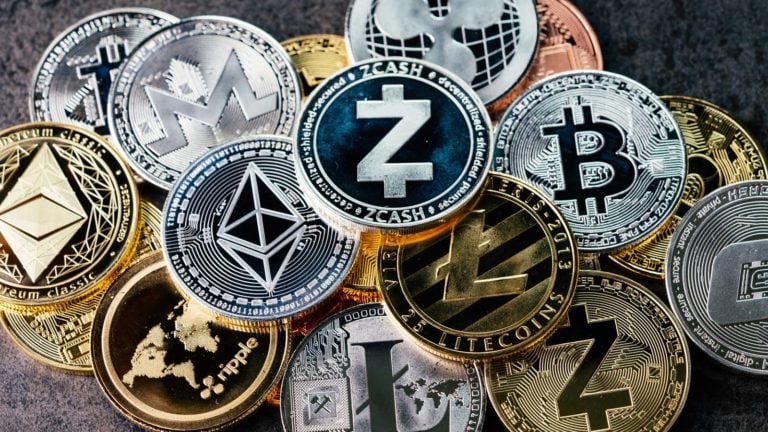
5 best crypto to buy in 2026: AI, RWA, and Layer-2 leaders
Navigating the 2026 crypto landscape requires distinguishing genuine innovation from speculative noise. This selection highlights BTC, ETH, SOL, LINK, and HYPE based on official data, acknowledging that while these assets show promise, their potential for significant returns remains highly speculative and carries substantial financial risk.
1. Bitcoin institutional adoption trends
Bitcoin remains the foundational anchor for 2026 portfolios, driven by unprecedented institutional inflows through spot ETFs. This shift transforms BTC from a speculative asset into a regulated reserve component, offering stability amid broader market volatility. Investors view this institutionalization as a critical hedge against traditional financial system risks, cementing its status as digital gold.

2. Ethereum Layer-2 scaling solutions
Ethereum’s dominance in smart contracts is amplified by Layer-2 networks that drastically reduce gas fees and increase transaction throughput. These scaling solutions enable seamless user experiences for DeFi and NFTs, addressing Ethereum’s historical congestion issues. By routing activity to these secondary layers, the ecosystem maintains security while achieving the speed necessary for mass consumer adoption in 2026.
3. Solana high-throughput performance
Solana distinguishes itself with exceptional transaction speeds and low costs, making it ideal for high-frequency trading and real-time applications. Its architecture handles thousands of transactions per second without compromising decentralization significantly. This performance metric attracts developers building complex dApps that require immediate finality, positioning Solana as a top contender for scalable blockchain infrastructure.
4. Chainlink oracle network utility
Chainlink provides the critical data infrastructure connecting blockchains to real-world information, ensuring smart contracts execute accurately based on external events. Its decentralized oracle network mitigates single-point-of-failure risks, enhancing trust in DeFi protocols. As 2026 sees more tokenized real-world assets, Chainlink’s reliability becomes indispensable for bridging off-chain data with on-chain logic securely.

5. Hyperliquid decentralized exchange growth
Hyperliquid emerges as a leading decentralized exchange, offering institutional-grade performance with the security of non-custodial trading. Its high-throughput engine supports complex derivatives trading with minimal latency, attracting sophisticated traders seeking alternatives to centralized platforms. This growth reflects a broader trend toward decentralized finance infrastructure that prioritizes speed, transparency, and user control over assets.

The 2026 market outlook
The cryptocurrency landscape in 2026 is defined by the maturation of institutional capital. Following the post-halving cycles that characterized the previous bull run, the market has shifted from speculative retail fervor to structured, long-term holding. This transition is anchored by the widespread adoption of spot Bitcoin (BTC) and Ethereum (ETH) exchange-traded funds, which have integrated digital assets into traditional portfolio allocations. As noted by Forbes Advisor, BTC and ETH remain the foundational pillars of any serious crypto strategy, providing a level of stability and regulatory clarity that was absent in earlier cycles.
Institutional adoption is a structural shift, not a temporary trend. The presence of major financial players means that volatility is still present, but the floor for asset value has risen significantly compared to previous years.
Beyond the established leaders, 2026 has seen a divergence in utility-driven assets. Solana (SOL) has solidified its position as the high-speed ecosystem for consumer applications, handling transaction volumes that rival traditional payment networks. Meanwhile, Chainlink (LINK) has become the critical infrastructure for connecting blockchains to real-world data, a necessity as Real World Assets (RWA) begin to tokenize on-chain. These projects are not just chasing hype; they are building the plumbing for the next decade of financial technology.
However, the high-stakes nature of this market requires caution. While narratives around "100x potential" persist in online communities, such gains are increasingly rare and highly speculative. The current environment rewards projects with tangible revenue, active developer communities, and clear use cases. Investors must distinguish between coins that solve actual problems and those that rely solely on social media momentum. The margin for error is thin, and thorough due diligence remains the most important tool in your arsenal.
Bitcoin remains the safest entry point
Bitcoin (BTC) serves as the anchor for any serious crypto portfolio in 2026. While newer assets chase volatile gains, BTC offers a level of stability that institutional investors and cautious newcomers rely on. It is not the asset for getting rich overnight, but it is the one least likely to disappear overnight. Think of BTC as the bedrock of the digital asset class—less exciting than a wave, but essential for holding the structure together when the storm hits.
Institutional trust has shifted from theoretical to structural. Major financial entities now hold BTC as a reserve asset, providing a floor of legitimacy that smaller coins cannot match. This adoption reduces the risk of total loss, making it the most logical starting point for new investors. If you are entering the market in 2026, starting with BTC is the prudent move before allocating capital to riskier altcoins like Ethereum (ETH) or Solana (SOL).
The market narrative often focuses on "skyrocketing" potential, but for a foundational holding, predictability matters more than hype. Official sources consistently rank BTC as the top cryptocurrency by market capitalization and liquidity. This depth of market means you can enter and exit positions with minimal slippage, a feature critical for preserving capital during market downturns.
For those looking to secure their holdings, physical hardware is a necessary step. The following devices are recommended for storing BTC and other digital assets securely.


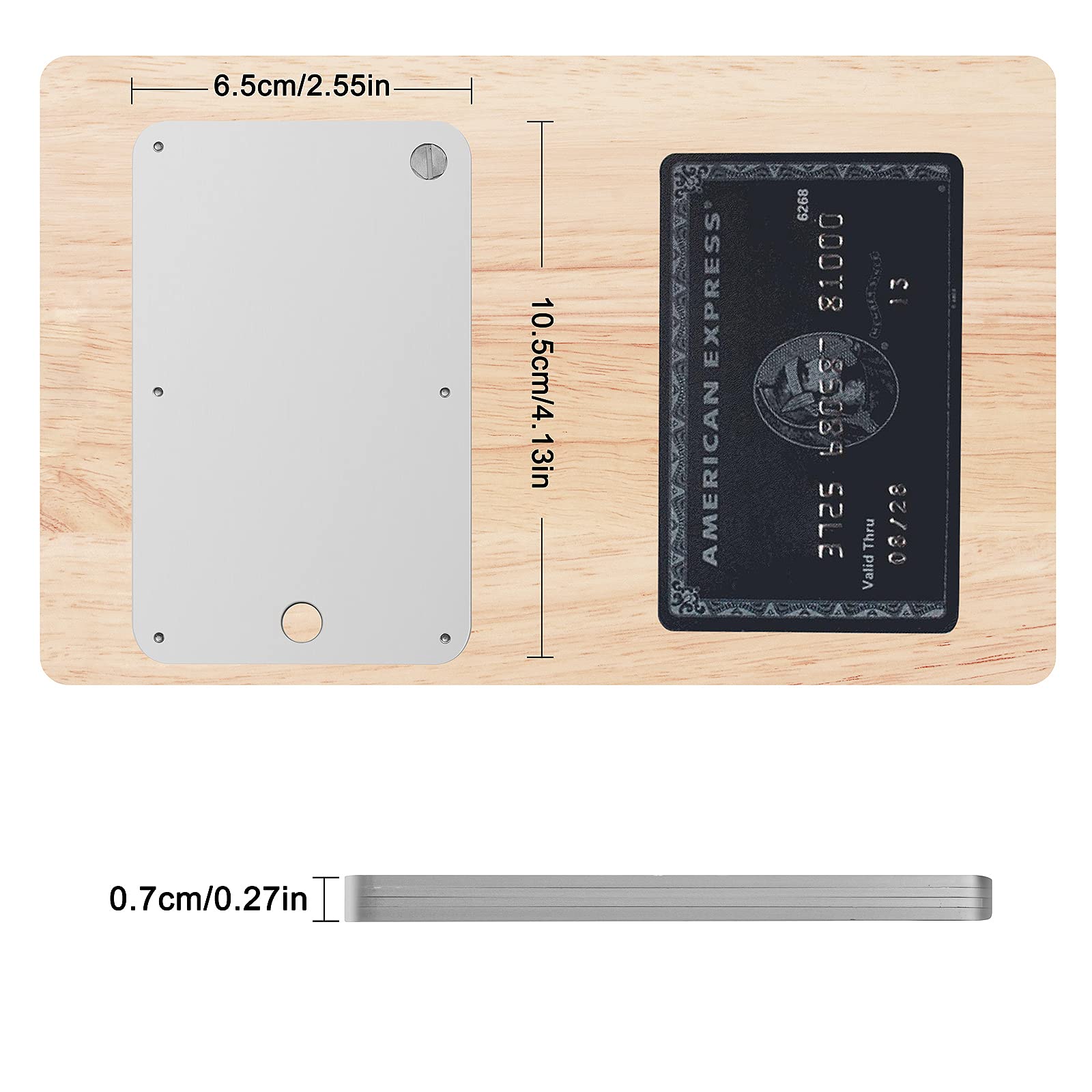
As an Amazon Associate, we may earn from qualifying purchases.
Ethereum and layer-2 scaling
Ethereum (ETH) remains the institutional backbone of the crypto ecosystem, serving as the primary settlement layer for smart contracts. While Bitcoin holds value, Ethereum handles the complex execution required for decentralized finance and tokenization. Its dominance is not just about market cap but about the sheer volume of value secured and the developer activity concentrated on its base layer.
The recent shift toward Layer-2 (L2) solutions like Arbitrum and Optimism has fundamentally changed how users interact with ETH. These networks process transactions off-chain and settle the data on Ethereum, drastically reducing fees and increasing speed. This architecture allows applications to scale without compromising the security guarantees of the main chain. For investors, this means ETH is no longer just a store of value but the foundational infrastructure for a high-throughput digital economy.
However, the crypto landscape is volatile, and past performance does not guarantee future results. Many projects promised revolutionary scaling and have since faded.
Solana delivers high-speed transactions
Solana (SOL) operates as a high-performance blockchain designed to handle thousands of transactions per second. Unlike networks that clog during peak demand, Solana’s architecture prioritizes throughput, making it a preferred choice for real-time applications. This speed is not merely a technical spec; it is the foundation for its growing ecosystem of decentralized finance (DeFi) protocols and non-fungible token (NFT) marketplaces.
The network’s low transaction costs are a primary driver for its adoption in 2026. Users can execute complex swaps or mint digital assets for fractions of a cent, removing the friction that often deters retail participation on more expensive chains. This economic efficiency allows developers to build applications that feel as responsive as traditional web services, bridging the gap between legacy finance and crypto-native innovation.
However, the high-stakes nature of this technology requires caution. While the speed and cost advantages are clear, past network outages serve as a reminder that high throughput can come with stability trade-offs. Investors should view SOL not as a guaranteed winner, but as a speculative bet on whether the market will prioritize raw performance over the established security of older networks.
AI and RWA token opportunities
Beyond the established giants, the 2026 market is seeing a surge in specialized altcoins targeting artificial intelligence and real-world asset (RWA) tokenization. These sectors offer high-growth potential but come with significant volatility that distinguishes them from Bitcoin or Ethereum.
Chainlink (LINK) remains the primary data oracle connecting blockchains to off-chain information. As institutional adoption of RWA grows, LINK’s infrastructure becomes critical for verifying real-world data on-chain. Its role in enabling secure smart contracts makes it a foundational pick for investors betting on the integration of traditional finance with digital assets.
Hyperliquid (HYPE) represents the high-risk, high-reward side of the AI and trading spectrum. As a decentralized exchange for perpetual futures, it has demonstrated rapid growth, with some reports noting a 154% increase in the first half of 2026. While the momentum is strong, the speculative nature of perpetual trading platforms requires careful risk management.
Investors should focus on projects with clear utility and active development teams. The difference between a successful RWA platform and a failed experiment often lies in regulatory compliance and real-world adoption rates, not just technological novelty.
How to evaluate crypto picks
Choosing between Bitcoin (BTC), Ethereum (ETH), Solana (SOL), Chainlink (LINK), and HYPE requires looking past the noise. The market is full of speculative promises, but sustainable value rests on three concrete pillars: market cap, utility, and developer activity.
Market cap provides the baseline stability. Bitcoin and Ethereum dominate this space, offering a foundation that can weather volatility better than smaller caps. Solana and Chainlink occupy middle ground, while newer AI-focused tokens like HYPE carry higher risk profiles due to their smaller market presence.
Utility determines whether a coin solves a real problem. Ethereum powers the institutional backbone of decentralized finance, while Solana handles high-speed transactions for consumer apps. Chainlink bridges off-chain data to on-chain contracts, a critical infrastructure piece. HYPE focuses on AI agent coordination, a niche but growing sector.
Developer activity signals long-term health. Check GitHub repositories and community engagement. Projects with active, consistent development are more likely to survive bear markets. Avoid coins with stagnant codebases or declining contributor counts, regardless of current hype.
| Coin | Market Cap Tier | Primary Utility | Risk Level |
|---|---|---|---|
| Bitcoin (BTC) | Large | Store of Value / Payments | Low |
| Ethereum (ETH) | Large | Smart Contracts / DeFi | Low |
| Solana (SOL) | Medium | High-Speed Transactions | Medium |
| Chainlink (LINK) | Medium | Oracle Data Feeds | Medium |
| HYPE | Small | AI Agent Coordination | High |
Frequently asked: what to check next
Which crypto will skyrocket in 2026?
Predicting which asset will experience exponential growth is speculative and high-risk. While AI tokens like HYPE and Layer-2 leaders like SOL show strong momentum, no coin is guaranteed to "skyrocket." Historical data shows that even major assets like BTC and ETH can face significant volatility. Treat any claim of guaranteed massive returns with extreme caution and rely on official market data rather than social media hype.
What are the best crypto coins to invest in in 2026?
The strongest candidates for 2026 generally fall into three categories: established stores of value (BTC), smart contract platforms (ETH, SOL), and specialized infrastructure (LINK). These assets have proven track records and active developer ecosystems. Investors often diversify across these segments to balance risk, focusing on projects with real utility rather than speculative memes.
What are the top 3 cryptos to buy?
Most experts prioritize Bitcoin (BTC) for stability, Ethereum (ETH) for its expansive ecosystem, and Solana (SOL) for high-speed transactions. Bitcoin offers the lowest relative risk, while Ethereum and Solana provide higher growth potential with corresponding volatility. This trio represents the core of most conservative crypto portfolios, providing exposure to both store-of-value and utility-driven use cases.
What coins have 1000x potential?
Assets claiming "1000x potential" are typically low-cap, high-risk speculative plays with little to no proven utility. While such gains are theoretically possible, the probability of total loss is equally high. Major coins like BTC, ETH, and LINK have already achieved significant market capitalization, making 1000x returns mathematically unlikely in the short term. Focus on risk management rather than chasing unrealistic multipliers.
No comments yet. Be the first to share your thoughts!