Get buying crypto right
Before you transfer funds or connect a wallet, you need to clear two practical hurdles: a verified account and a funded payment method. Exchanges are regulated financial platforms, which means they follow strict identity rules. You will need a government ID and a way to receive a verification code on your phone or email. Without this setup, you cannot move past the registration screen.
Your choice of payment method dictates your speed and cost. Bank transfers (ACH) are usually free but take one to three business days to clear. Debit cards and credit cards process instantly but often carry fees between two and four percent. For a beginner buying crypto in 2026, start with a bank transfer to keep costs low, then switch to a debit card only if you need immediate access to the assets.
Once your account is live, fund it with a small amount first. This "test transaction" confirms your bank details are correct and helps you understand how long the transfer takes. Do not deposit your full budget until you are comfortable with the interface and the deposit timeline.
How to buy crypto safely in 2026
Buying cryptocurrency requires more than just entering a payment method. It involves verifying your identity, funding your account, and executing a trade on a regulated exchange. Follow these steps to buy your first digital assets without exposing yourself to common scams or unnecessary fees.
Start by selecting a platform that is registered with financial authorities in your country. In the United States, look for exchanges registered with FinCEN and state money transmitter licenses. Major platforms like Coinbase, Kraken, and Binance.US are common starting points. Avoid unregulated offshore sites that do not require identity verification, as they often lack customer protection or insurance funds.
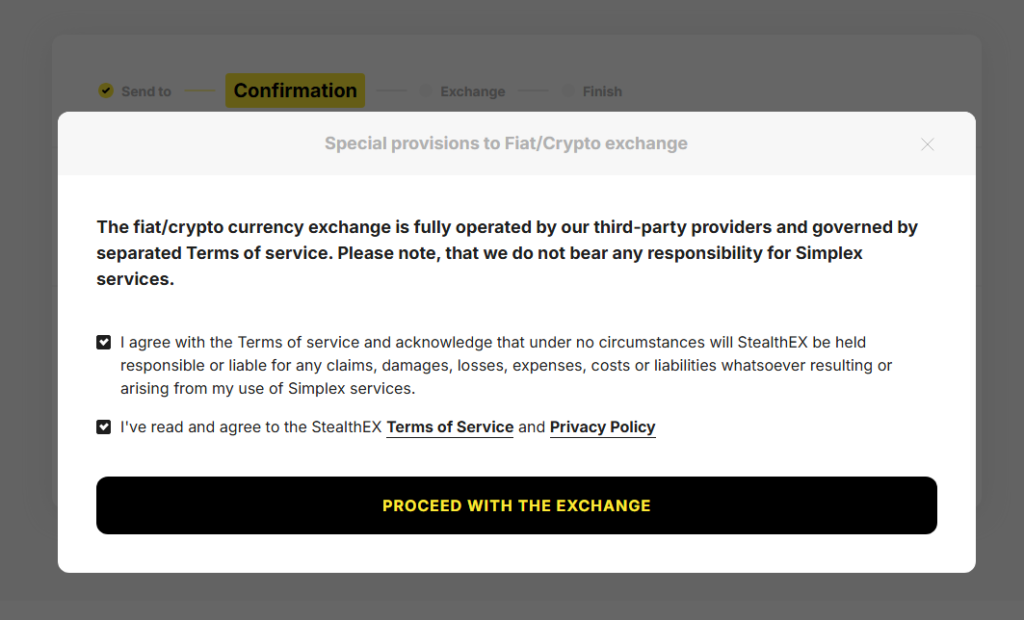
Most legitimate exchanges require Know Your Customer (KYC) verification. You will need to provide a government-issued ID and sometimes a selfie or proof of address. This process can take from a few minutes to several days. Do not skip this step; accounts without verification often have low withdrawal limits or are flagged for suspicious activity later.
Connect a bank account, debit card, or credit card to your exchange profile. Bank transfers (ACH in the US) typically have lower fees but take 3-5 business days to clear. Debit cards are faster but often incur higher transaction fees (around 3-4%). Avoid using credit cards for buying crypto unless you plan to pay off the balance immediately, as interest rates can quickly erase any potential gains.
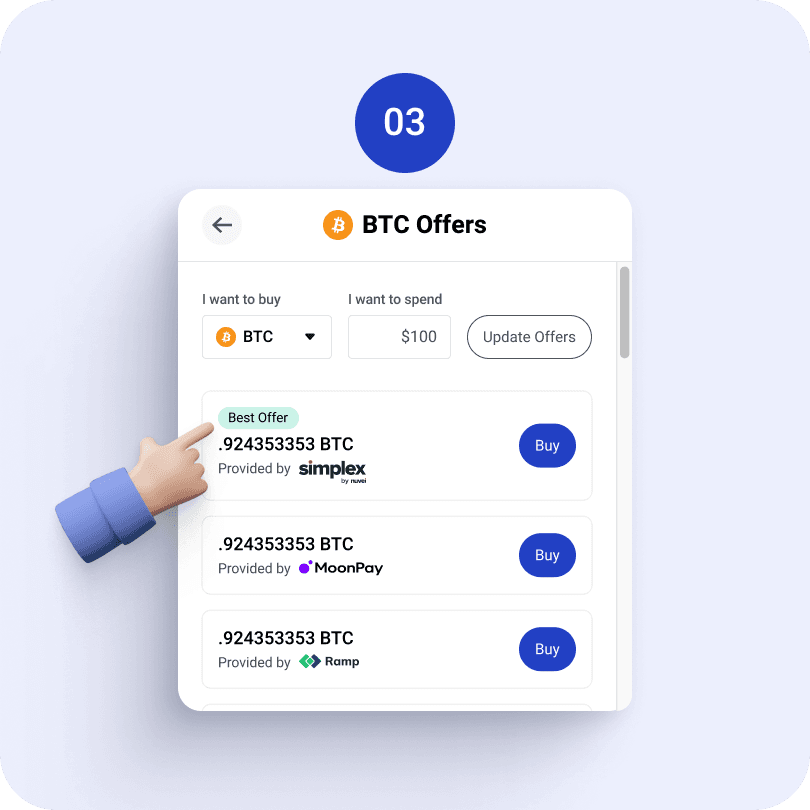
Search for the asset you want to buy, such as Bitcoin (BTC) or Ethereum (ETH). You can buy whole coins or fractional amounts. For beginners, it is often easier to use a "Simple" or "Instant Buy" interface rather than the advanced trading chart. Enter the amount you wish to spend and confirm the trade. Remember to check the total cost, including fees, before finalizing.
Once purchased, your crypto sits on the exchange. For small amounts, this is often acceptable. For larger investments, consider transferring your assets to a personal hardware wallet, such as a Ledger or Trezor. This removes your coins from the exchange's custody, protecting them if the platform is hacked or goes bankrupt. Enable two-factor authentication (2FA) on your exchange account using an authenticator app, not SMS.
-
Verify exchange registration with local financial authorities
-
Complete KYC identity verification before funding
-
Use bank transfers for lower fees when possible
-
Enable 2FA via authenticator app, not SMS
-
Transfer large holdings to a hardware wallet
Fix common mistakes
Buying crypto is straightforward, but small errors can lead to significant losses. Most beginners lose money not because the market is rigged, but because they skip basic security checks or misunderstand how fees work. Here are the most frequent pitfalls and how to avoid them.
Sending to the wrong network
This is the most expensive mistake you can make. Cryptocurrencies like USDT or USDC exist on multiple blockchains (Ethereum, Tron, BSC, etc.). If your exchange deposits USDT on the Tron network but your wallet expects it on Ethereum, the funds may become irretrievable.
Before transferring, always verify that the network selected in your wallet matches the one offered by the exchange. Never assume that all "USDT" addresses are interchangeable. If you are unsure, send a tiny test amount first.
Ignoring withdrawal fees
Fees vary wildly depending on the asset and the blockchain. A Bitcoin withdrawal might cost $5–$20 in network fees, while some stablecoins cost pennies. Many beginners overlook these costs when calculating their entry price.
Check the withdrawal fee before you deposit. If you plan to move your crypto to a personal wallet later, choose a network with low gas fees (like Solana or Tron for stablecoins) to save money. High gas fees on Ethereum can eat up small balances quickly.
Using public Wi-Fi for transactions
Never buy, sell, or withdraw crypto while connected to public Wi-Fi, such as at a coffee shop or airport. These networks are often unsecured and vulnerable to man-in-the-middle attacks. Hackers can intercept your login credentials or redirect your transaction to a fraudulent address.
Always use a secure, private connection or your mobile data plan when accessing your exchange or wallet app. This is a basic hygiene step that prevents the majority of remote thefts.
Leaving funds on unverified exchanges
If you buy crypto and leave it on an exchange you do not trust, you do not truly own it. If the exchange collapses or freezes withdrawals, your funds are gone. This happened with FTX and several other platforms.
For long-term holdings, transfer your crypto to a self-custody wallet where you control the private keys. Only keep the amount you plan to trade actively on the exchange. Think of the exchange as a point-of-sale terminal, not a bank vault.
Buy crypto 2026: what to check next
New buyers often pause before funding an account. The market feels volatile, and the terminology is dense. These answers address the most common practical objections to buying crypto in 2026.
Helpful gear
Use these product recommendations as a starting point, then choose the size, material, and price point that fit how you actually use the gear.
![The Crypto Millionaire Bible: [5 in 1] How to Easily Make Life-Changing Money in The Next Big 2025-2026 Bull Run with Smart Investing and Trading Any Cryptocurrency (Altcoins, Meme, NFT, Airdrops)](https://m.media-amazon.com/images/I/81KdlgQ2JYL._AC_UY654_QL65_.jpg)


As an Amazon Associate, we may earn from qualifying purchases.
No comments yet. Be the first to share your thoughts!