Start with a regulated exchange
Choosing a compliant platform is the single most important decision you will make when entering the cryptocurrency market. In 2026, the regulatory landscape has tightened significantly, and the risks associated with unregulated offshore exchanges remain severe. Selecting a platform that operates under strict U.S. financial regulations ensures that your funds are protected, your identity is verified, and your tax reporting is handled correctly.
The first step is to verify that your chosen exchange holds the necessary licenses to operate as a Money Services Business (MSB) with the Financial Crimes Enforcement Network (FinCEN) and, ideally, is registered with the Securities and Exchange Commission (SEC) or the Commodity Futures Trading Commission (CFTC). Major platforms like Coinbase and Kraken maintain these registrations, providing a layer of legal recourse that offshore entities cannot offer.
Before creating an account, confirm the exchange’s regulatory standing. Look for explicit disclosures in their terms of service or regulatory filings. Reputable exchanges will clearly state their licensing status with U.S. financial authorities. If a platform cannot readily provide this information or operates from jurisdictions with lax oversight, abandon the search and choose a compliant alternative.
All regulated U.S. exchanges are required to perform Know Your Customer (KYC) checks. This process involves submitting a government-issued ID and potentially a selfie for facial recognition. While this adds a step to the onboarding process, it is a legal requirement designed to prevent money laundering and fraud. Do not bypass this step; platforms that allow anonymous trading are likely operating outside the law.
Once your account is verified, fund it using a bank transfer (ACH) or wire transfer. Avoid funding your account with a credit card, as this is often treated as a cash advance by banks, incurring high fees and interest rates. Bank transfers are slower but significantly cheaper and safer, linking your fiat currency directly to your verified identity without the risk of debt accumulation.
By prioritizing regulatory compliance over features or anonymity, you establish a secure foundation for your crypto investments. This approach minimizes the risk of losing funds to platform insolvency or legal action, ensuring that your entry into the 2026 crypto market is both safe and legally sound.
Fund your account securely
Funding a crypto exchange account is the bridge between traditional finance and digital assets. The method you choose determines your cost basis, your risk exposure, and your regulatory footprint. Most U.S.-regulated exchanges prioritize bank transfers (ACH) because they are low-cost and traceable. Credit card funding, while convenient, triggers cash-advance fees and high interest rates that can erase any trading gains immediately.
Before depositing, ensure your exchange account is fully verified. Regulatory frameworks require Know Your Customer (KYC) checks that link your identity to the funding source. Attempting to fund an unverified account often results in immediate holds or account restrictions.
Initiate the ACH link through the exchange’s security settings. You will provide your routing and account numbers. The exchange may verify this by depositing two small test amounts, which you must confirm to complete the link. This method typically costs nothing and allows for higher daily limits than card funding.
Credit card purchases are treated as cash advances by most issuers. This means immediate interest accrual and often a flat fee of 3% to 5%. Additionally, the SEC and FTC have warned that crypto purchases via credit cards can lead to significant debt traps if market prices drop. Use this method only for small, experimental amounts you can afford to lose.
Review your account’s deposit tier limits. New accounts often have lower limits that increase as you complete more transactions and verify your identity. Be aware that some exchanges place temporary holds on funds deposited via new bank links to prevent fraud. Plan your trades around these hold periods to avoid liquidity issues.
Once your bank is linked and verified, you can transfer funds into your exchange wallet. Always start with a small test transaction to ensure the ACH link is working correctly before moving larger sums. This practice minimizes the risk of lost funds due to incorrect routing numbers or exchange-specific delays.
Compare top exchanges for 2026
Selecting a crypto exchange requires balancing regulatory compliance, fee structures, and security protocols. In 2026, the landscape is dominated by platforms that have successfully navigated stringent U.S. and international regulations. The following comparison highlights three leading regulated platforms, each serving a distinct user profile based on experience level and trading frequency.
| Platform | Best For | Fee Structure | Security & Compliance |
|---|---|---|---|
| Coinbase | Beginners | Standard maker-taker + spread | Publicly traded; full SEC compliance; cold storage |
| Kraken | Reliability & Security | Low maker-taker fees; tiered discounts | Unbroken security record; proof of reserves; US-based |
| OKX | Active Traders | Competitive trading fees; high liquidity | Multi-asset reserve proof; advanced risk management tools |
Coinbase remains the primary choice for beginners due to its intuitive interface and full compliance with U.S. securities laws. As a publicly traded company, it faces greater regulatory scrutiny, which provides an additional layer of accountability for new investors. However, its standard fees can be higher than competitors, making it less ideal for high-frequency trading.
Kraken is widely regarded as the most reliable platform for security-conscious users. It has never been hacked and maintains a strong reputation for transparency, including regular proof-of-reserve audits. Its fee structure is competitive, and it offers robust customer support, making it suitable for users who prioritize asset safety over flashy features.
OKX caters to active traders who require advanced charting tools, high liquidity, and lower fees. While it offers a comprehensive suite of trading features, its regulatory status varies by jurisdiction. Users should verify local compliance requirements before depositing funds, as it may not be fully licensed in all U.S. states.
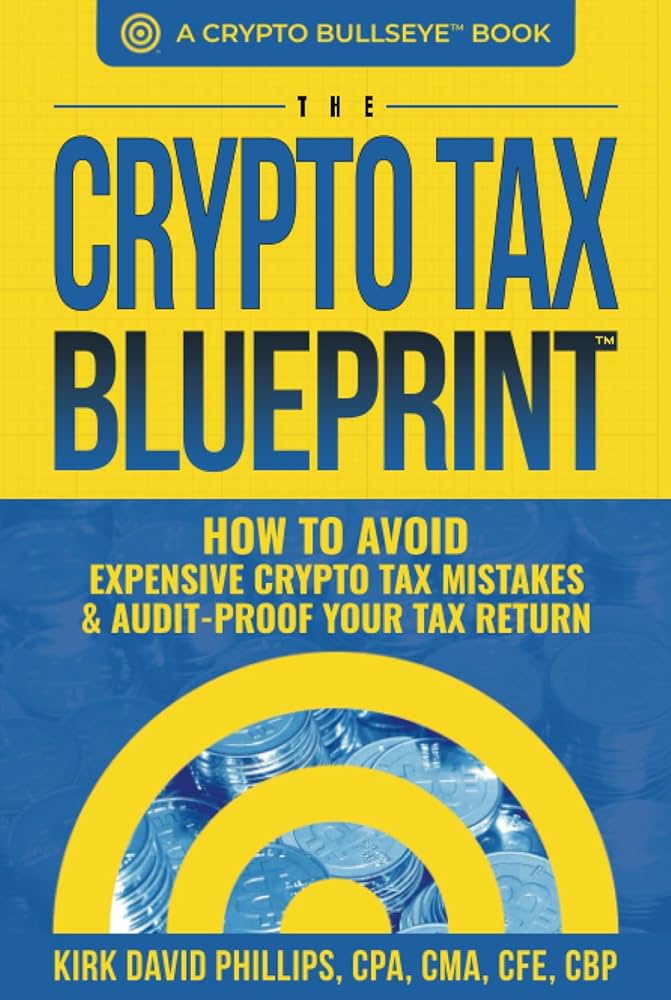

As an Amazon Associate, we may earn from qualifying purchases.
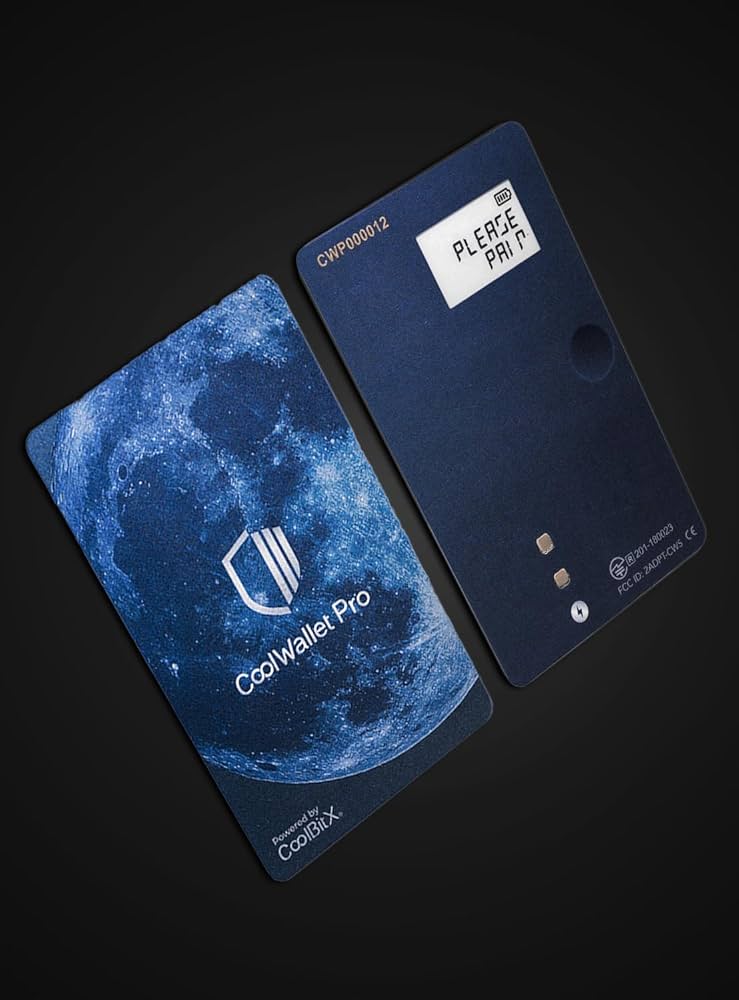
Regardless of the platform chosen, security best practices are non-negotiable. Enable two-factor authentication (2FA) using an authenticator app, not SMS. Withdraw large holdings to a hardware wallet for long-term storage. Never share private keys or seed phrases with any platform or individual.
Understand 2026 tax obligations
The legal requirement to report crypto transactions is absolute. In 2026, tax authorities have significantly expanded their data-sharing capabilities with exchanges, making the old strategy of ignoring small transactions obsolete. Every sale, trade, and staking reward constitutes a taxable event. Failure to report these activities accurately can trigger audits, substantial penalties, and in severe cases, criminal charges. You are not just buying digital assets; you are entering a regulated financial system that demands full transparency.
Track every transaction
You must maintain a detailed record of every crypto transaction you make. This includes the date, time, fair market value in USD at the moment of the transaction, and the purpose of the trade. Whether you bought Bitcoin on Coinbase, swapped Ethereum for Solana on a decentralized exchange, or received staking rewards, each event must be logged. Relying on memory or incomplete exchange statements is a common mistake that leads to filing errors. Use a dedicated crypto tax software that connects directly to your exchange APIs to ensure no transaction slips through the cracks.
Report staking and airdrops correctly
Income from staking, lending, and airdrops is treated as ordinary income at the fair market value on the date you received it. This value becomes your cost basis for future sales. For example, if you receive 1 ETH via airdrop when ETH is worth $3,000, your income is $3,000. If you later sell that ETH for $4,000, your capital gain is $1,000. Misreporting the initial value can distort your gains or losses, leading to overpayment or underpayment of taxes. Always verify the valuation source used by your tax software against reputable market data.
File quarterly estimated taxes
Crypto trading often generates income that is not subject to withholding. If you are actively trading, you may need to file quarterly estimated tax payments to avoid underpayment penalties. The IRS treats crypto as property, not currency, meaning capital gains rules apply to your sales. Short-term gains (assets held less than a year) are taxed at your ordinary income rate, while long-term gains (held over a year) benefit from lower rates. Keeping your trading volume and profit margins in check throughout the year helps you estimate these payments accurately.
-
Download transaction history from all exchanges and wallets
-
Reconcile internal records with external data sources
-
Calculate cost basis for every sold or swapped asset
-
Report staking rewards as ordinary income on the receipt date
-
File Form 8949 and Schedule D with your tax return
-
Consult a tax professional for complex DeFi or cross-border transactions
Avoid common buying mistakes
Buying crypto is not just a transaction; it is an interaction with a high-stakes financial system where errors can be permanent. The most frequent pitfalls—high spreads, phishing scams, and emotional trading—cost beginners more than market volatility. Understanding these risks is the first step toward protecting your capital.
Spread costs are often invisible until after the trade executes. Many platforms advertise low fees but compensate with wide bid-ask spreads, meaning you buy at a higher price and sell at a lower one than the mid-market rate. This "hidden tax" can erode your returns significantly, especially if you plan to trade frequently. Always compare the total cost of acquisition, including spreads, rather than just the advertised transaction fee.
Phishing remains the most dangerous threat to your assets. Scammers create fake websites and apps that mimic legitimate exchanges to steal your login credentials and seed phrases. Never click links in unsolicited emails or social media messages. Instead, always type the exchange’s URL directly into your browser or use a verified bookmark. If a deal seems too good to be true, it is almost certainly a scam designed to drain your wallet.
Emotional trading leads to buying at peaks and selling at bottoms. Fear of missing out (FOMO) drives investors to buy during hype cycles, often resulting in significant losses when the market corrects. Establish a disciplined strategy, such as dollar-cost averaging, to remove emotion from the equation. Stick to your plan regardless of short-term price movements, and never invest money you cannot afford to lose.
No comments yet. Be the first to share your thoughts!