
Crypto tax 2026 budget
The 2026 tax landscape introduces strict new reporting standards that make precise tracking essential. Starting January 1, 2026, brokers are required to report cost basis for digital assets, fundamentally changing how gains and losses are calculated and reported to the IRS. This shift demands a system that can handle high transaction volumes without introducing errors.
Choosing the right tax software is a tradeoff between price, age of data, and feature depth. Free tools often lag in updating for new regulations, while premium suites offer automated syncing but come with higher fees. You need a solution that aligns with your specific filing needs, whether that is basic form generation or complex portfolio reconciliation.
The following tools are recommended for navigating these changes. They have been evaluated for accuracy, ease of use, and compliance with the latest IRS guidance.

As an Amazon Associate, we may earn from qualifying purchases.
Select the option that best fits your transaction volume and comfort level with technical details. Accurate reporting now prevents costly audits later.
Compare 2026 crypto tax software options
The 2026 tax season introduces stricter reporting standards, making the choice of tax software more critical than ever. With the IRS requiring cost basis reporting from brokers and exchanges, manual tracking is no longer a viable option for most investors. The right tool automates the aggregation of transactions from multiple wallets and platforms, ensuring compliance with new federal guidelines.
Choosing the wrong software can lead to missed deductions or inaccurate filings. We evaluated the leading platforms based on their ability to handle the new 1099-DA forms, support for DeFi transactions, and ease of use for beginners. Below is a comparison of the top contenders to help you decide which solution fits your portfolio size and complexity.
| Feature | Koinly | CoinTracker | TurboTax Crypto | Blockpit |
|---|---|---|---|---|
| Best For | Advanced traders | Beginners | Simple filers | DeFi users |
| DeFi Support | Strong | Moderate | Limited | Strong |
| Cost Basis Reporting | Yes | Yes | Yes | Yes |
| IRS Form 1099-DA | Handles | Handles | Handles | Handles |
| Free Tier | Limited | Yes | No | No |
Top picks for different needs
For those with complex portfolios involving DeFi and multiple wallets, Koinly offers robust tracking capabilities. It supports over 500 exchanges and 200 blockchains, making it a strong choice for advanced users who need detailed transaction histories. Its interface allows for deep dives into specific transactions, helping you identify potential deductions.
If you are just starting out or have a simpler portfolio, CoinTracker provides a user-friendly experience. It automatically imports transaction data from connected exchanges and wallets, generating IRS-compliant forms with minimal effort. The free tier allows for limited transaction imports, which is sufficient for many casual investors.
For individuals who prefer an all-in-one solution, TurboTax Crypto integrates directly with the popular tax filing software. It is ideal for users who want a seamless transition from tax calculation to filing. However, it may lack the depth required for complex DeFi strategies or multi-chain activities.


As an Amazon Associate, we may earn from qualifying purchases.
Key features to look for
When selecting a crypto tax tool, prioritize platforms that explicitly support the new 2026 reporting requirements. Ensure the software can import data from all your exchanges and wallets, including decentralized platforms. Look for features that automatically calculate cost basis using methods like FIFO or LIFO, as these directly impact your tax liability.
Additionally, check for customer support and educational resources. Navigating new tax laws can be challenging, and access to expert advice or comprehensive guides can save time and reduce errors. Finally, consider the pricing structure; some platforms charge based on the number of transactions, which can add up for active traders.
Inspect the expensive parts
Tax season penalties often stem from small reporting gaps that compound into large liabilities. With new IRS standards taking effect in 2026, the margin for error has shrunk. Brokers must now report cost basis, meaning your exchange data is finally matching your tax software. However, this also means discrepancies are more visible to the IRS than ever before.
Use this checklist to audit your crypto tax preparation before filing. Focus on the areas that trigger audits: unreported trades, incorrect cost basis, and missed wash sale adjustments.

Cross-check your exchange statements against your tax software’s imported data. The new 2026 rules require brokers to report cost basis, so ensure your software matches the forms (like 1099-B) you will receive. If your software calculates gains differently than your broker, the IRS will likely flag the difference. Resolve these discrepancies by adjusting your lot selection method (FIFO, LIFO, or Specific Identification) to match your actual trade history.

Traders executing more than 100 transactions per year face stricter scrutiny. Ensure your software properly aggregates these trades into summary lines for your tax return. Manual entry errors are common here; a single misplaced decimal or swapped asset pair can turn a loss into a taxable gain. Run a "wash sale" diagnostic to identify trades that occurred within 30 days of identical assets, as these require specific adjustments to your cost basis.

Decentralized finance (DeFi) transactions often slip through the cracks because they lack centralized broker reports. Import your wallet history using a tool that supports EVM and Solana chains. Flag all staking rewards, airdrops, and liquidity mining payouts as ordinary income at the fair market value on the date received. Failure to report these as income is a common audit trigger, as the IRS views them as taxable compensation.

When you receive new tokens through a hard fork or airdrop, you must record the fair market value at the time you gained control of the assets. This value becomes your new cost basis. Keep screenshots or transaction hashes as proof of the date and value. If you sell these tokens later, the gain or loss is calculated against this specific basis, not the original value of the parent token.

Federal tax rules are only half the equation. States like California and New York have their own crypto tax regulations that may differ from federal guidance. Some states do not recognize federal wash sale rules, while others have specific thresholds for reporting. Check your state’s department of revenue website for 2026 updates to avoid double taxation or missed local liabilities.
Ownership Costs and Hidden Fees
The sticker price on a crypto tax tool is rarely the final cost. Beyond the base subscription, you will encounter add-ons for multi-chain support, staking rewards calculation, or high-volume transaction exports. These hidden fees can quickly double the annual expense, turning a budget-friendly option into a premium tier you didn't plan for.
Maintenance is another silent cost. Tax software must be updated annually to reflect new IRS forms and regulatory changes. If you switch platforms mid-year, you may pay exit fees or pay for duplicate data entry during the transition. A cheap tool that requires manual reconciliation of every DeFi transaction often costs more in hours of your time than a pricier tool with automated import features.
When evaluating options, look for tools that bundle essential features rather than charging per chain or per transaction. For many users, a comprehensive solution that handles both centralized exchange data and decentralized wallet activity provides better value than piecing together multiple free or cheap apps.

As an Amazon Associate, we may earn from qualifying purchases.
Crypto tax 2026: what to check next
The 2026 tax season introduces new reporting requirements that change how gains are calculated and reported. Brokers must now report cost basis on Form 1099-DA, closing the gap that previously allowed unreported trading activity [src-4]. Understanding these shifts is essential for accurate filing.
How much tax do I pay if I sell my crypto?
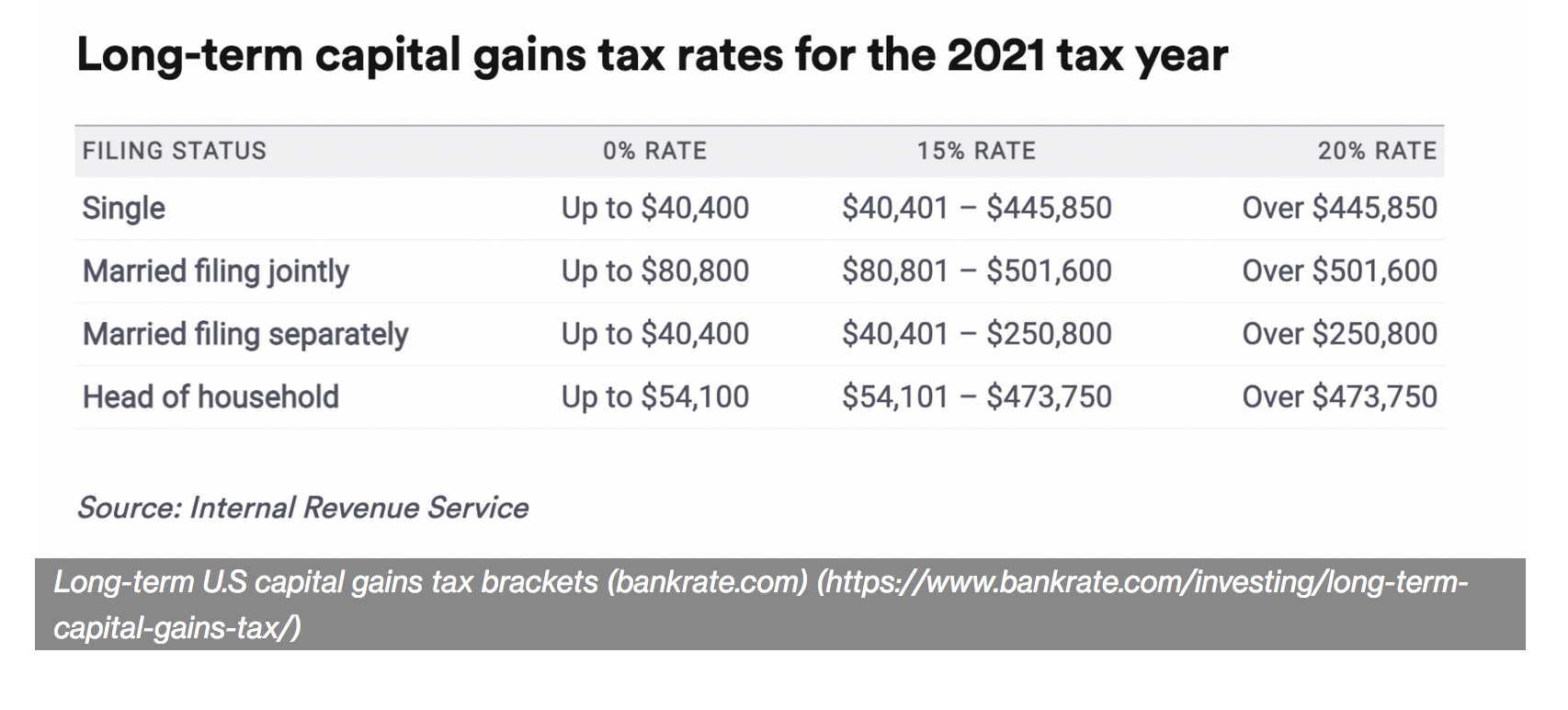
Cryptocurrency is treated as property, so every sale or trade is a taxable event. Short-term gains (assets held less than a year) are taxed at your ordinary income rate. Long-term gains (held over a year) typically face 0%, 15%, or 20% federal rates depending on your total income [src-5].
Will you be taxed for a $1000 in crypto profit?
Yes. The IRS does not currently have a de minimis exemption for crypto. Even small profits from trades or spending are taxable events. While lawmakers have proposed exempting small transactions (under $200–$300), no such rule is in effect for 2026 [src-3].
How to avoid crypto tax?
You cannot legally avoid taxes on realized gains. However, you can reduce liability through tax-loss harvesting (selling losing assets to offset gains) or holding assets for over a year to qualify for lower long-term capital gains rates [src-5].
How much capital gains tax will I pay on $300,000?
If these are long-term gains, the federal rate is likely 20% ($60,000). However, state taxes apply too. For example, California taxes capital gains as ordinary income, potentially adding up to 13.3% ($39,900) on top of federal taxes [src-6].
No comments yet. Be the first to share your thoughts!