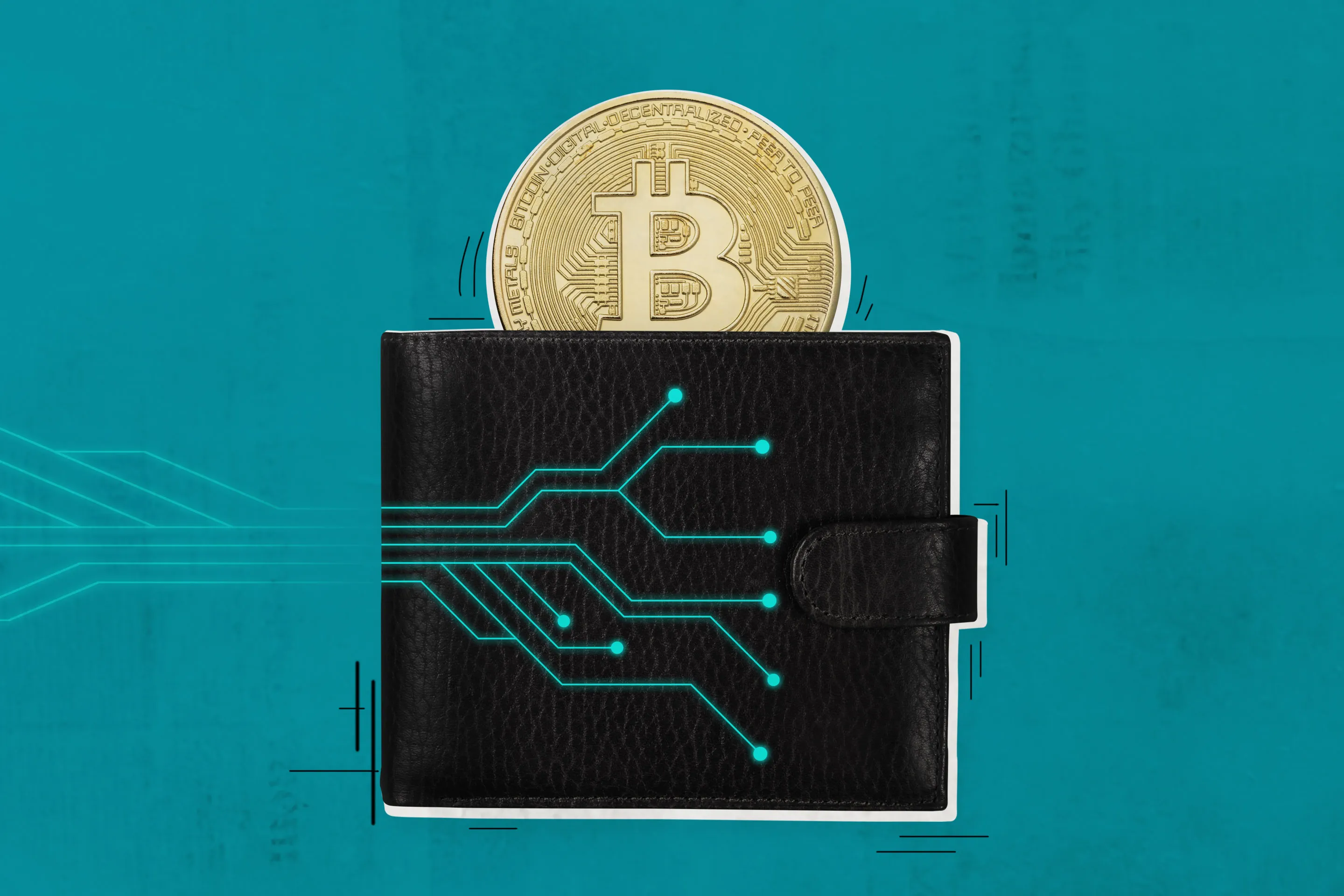
Choosing a budget crypto wallet in 2026
The "budget" category in crypto storage is often a trap. At the low end, you are trading security for convenience or durability. A $20 hardware wallet may lack the secure element chips found in premium models, making it vulnerable to physical attacks. Conversely, free software wallets offer zero upfront cost but require you to manage your own security hygiene.
Hardware wallets: The $20–$50 sweet spot
For under $50, you can find reliable entry-level hardware wallets that keep your private keys offline. These devices typically support Bitcoin and Ethereum but may have limited altcoin support compared to flagship models. Look for brands with open-source firmware and a track record of regular security updates.
Software wallets: Free and accessible
Software wallets are free to download and use. They are ideal for small amounts or frequent trading because they integrate directly with browsers and mobile apps. However, they are connected to the internet, making them targets for malware. Always verify the official download source to avoid phishing sites.
The tradeoff: Convenience vs. Control
Budget wallets often simplify the user experience by removing complex security steps. While this makes them easier to use, it can also make them easier to compromise. For significant holdings, consider saving a portion in a premium hardware wallet with a secure element, even if it costs more upfront.

As an Amazon Associate, we may earn from qualifying purchases.
Shortlist real options
Choosing the best crypto wallet in 2026 means balancing security with usability. The post-CBDC era brings stricter compliance checks, so the right tool depends on whether you prioritize cold storage for long-term holding or hot wallet convenience for daily trading. Below is a comparison of the strongest contenders, followed by specific product recommendations.
Wallet Comparison
The following table highlights the core differences between the leading hardware and software wallets. Hardware wallets like Ledger and Trezor offer offline key storage, while software options like Phantom and Trust Wallet provide easier access to decentralized applications.
| Wallet | Type | Security | Best For |
|---|---|---|---|
| Ledger Stax | Hardware | Secure Element + Offline | Overall Security |
| Trezor Model T | Hardware | Open Source + Offline | Privacy Advocates |
| Phantom | Software | Non-custodial | Solana & NFTs |
| Trust Wallet | Software | Non-custodial | Multi-chain Access |
| Coinbase Wallet | Software | Non-custodial | Beginners |
| Rabby Wallet | Software | Non-custodial | DeFi Users |
Top Hardware Wallets
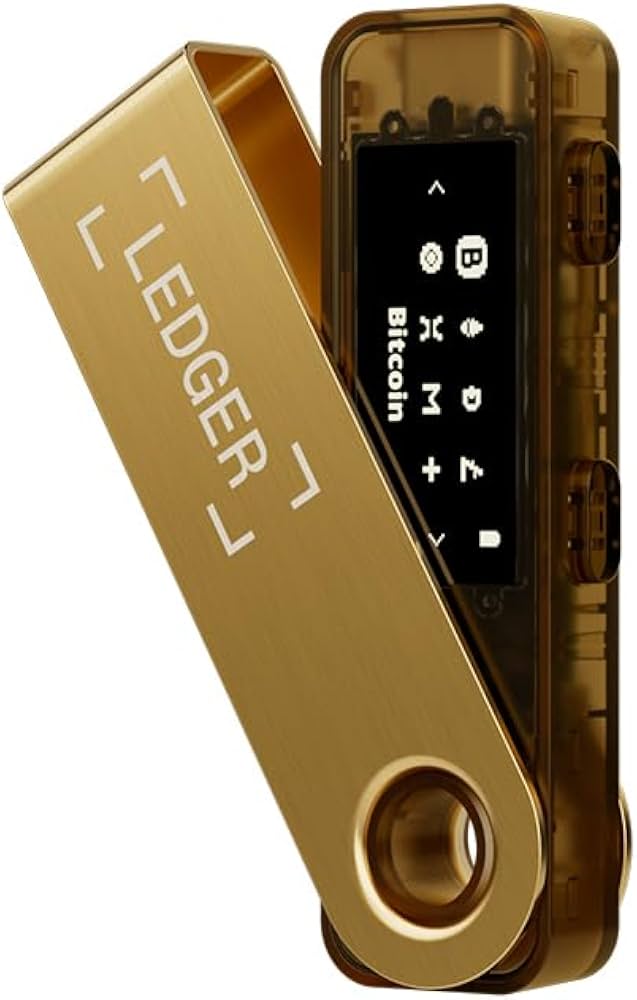
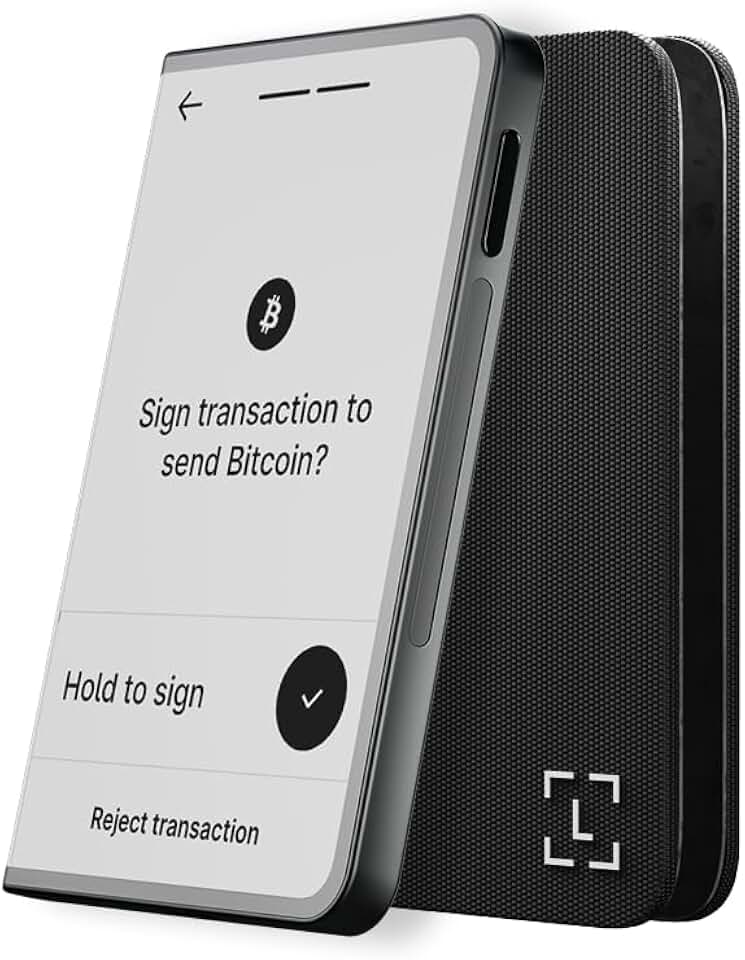
For maximum security, hardware wallets keep your private keys offline. Ledger Stax combines a secure element with an e-ink touchscreen, making it a top choice for 2026. Trezor Model T offers open-source firmware and tactile input for added privacy. These devices are ideal for long-term holders who do not need to trade frequently.


As an Amazon Associate, we may earn from qualifying purchases.
Top Software Wallets
Software wallets are free and accessible from any device. Phantom is the standard for Solana users, offering a clean interface for staking and NFT management. Trust Wallet supports over 70 blockchains, making it a versatile option for multi-chain investors. Rabby Wallet is preferred by DeFi power users for its transaction simulation features, which help prevent errors during swaps.


As an Amazon Associate, we may earn from qualifying purchases.
How to inspect a crypto wallet before buying
Buying a crypto wallet is a high-stakes decision. A single failure in the supply chain or software layer can result in permanent loss of funds. The "expensive parts" of a wallet are the components that, if compromised, cannot be reversed. Do not skip this inspection.
1. Verify the secure element chip
Hardware wallets rely on a Secure Element (SE) chip, the same type used in passports and credit cards, to isolate private keys from the rest of the device. Check the manufacturer's technical documentation to confirm the specific chip model (e.g., NXP A71CH). Avoid wallets that use generic microcontrollers for key storage, as these are vulnerable to side-channel attacks. The Ledger Stax, for instance, uses an EAL5+ certified chip, providing a higher assurance level than standard hardware.
2. Check the supply chain integrity
Hardware wallets are shipped with a recovery seed phrase printed on paper or displayed on a secure screen. The most expensive failure point is a pre-compromised device. Ensure the wallet arrives in tamper-evident packaging. If the packaging is broken or the device feels heavier than expected (indicating added hardware), do not use it. Reputable manufacturers like Ledger and Trezor provide a way to verify the device's authenticity via their official websites before you connect it to your computer.
3. Audit the open-source firmware
Proprietary firmware is a black box. If the code is closed, you cannot verify that it is not sending your seed phrase to a third party. Look for wallets that publish their firmware source code on GitHub or similar platforms. This allows security researchers to audit the code for backdoors. While not every user can read code, the existence of an open-source audit trail is a critical trust signal. Rabby Wallet and Rainbow Wallet are examples of projects that emphasize transparency in their codebase.
4. Test the recovery process
Before you move significant funds, perform a dry run of the recovery process. Write down your seed phrase on paper (never digitally) and try to restore the wallet on a different device. If the recovery fails, your backup is useless. This step reveals if the wallet uses non-standard seed formats or if the interface is confusing enough to cause user error. A wallet that makes it easy to lose your keys is a liability, not an asset.
5. Review the app ecosystem security
Most hardware wallets connect to a companion app or browser extension. This software layer is often the weakest link. Check if the app uses secure connection protocols (HTTPS, certificate pinning) and if it requests unnecessary permissions. For example, a wallet app should never need access to your clipboard for extended periods, as this exposes your address to malicious scripts. Coinbase Wallet and Bitget Wallet offer extensive dApp browser capabilities, but you must verify their security history and bug bounty programs before trusting them with your assets.
Ownership costs and maintenance surprises
A crypto wallet’s sticker price is only the starting line. The real cost comes from what happens after the purchase: subscription fees for advanced features, hardware replacement cycles, and the hidden labor of staying secure. When you factor in these ongoing expenses, a cheap device can quickly become more expensive than a premium alternative that includes better support or longer durability.
Hardware replacement and security updates
Hardware wallets are physical devices subject to wear and tear. Screens crack, buttons fail, and battery life degrades. More importantly, security is not static. A device that is secure today may be vulnerable tomorrow if the manufacturer stops releasing firmware updates. When a security flaw is discovered, you need a device that can be patched or, if the vendor abandons the model, a replacement that supports the latest protocols. Budget devices often cut corners on secure element chips, making them harder to secure over time compared to premium options with dedicated hardware isolation.
Subscription fees and hidden costs
Many wallets bundle free access to basic storage with paid tiers for advanced features like staking rewards, multi-signature management, or priority customer support. While the core storage might be free, the cost of managing your assets effectively can accumulate. For example, a wallet that charges a monthly fee for cross-chain swap discounts might seem affordable, but those fees add up over a year. Always check if the features you actually need are locked behind a paywall.
The time cost of self-custody
Time is a cost. Self-custody requires you to manage backups, verify addresses, and stay informed about security threats. If you are not technically inclined, this learning curve can be steep. A more expensive wallet with a better user interface or dedicated support can save you hours of troubleshooting. Conversely, if you are experienced, a cheaper, more technical device might be worth the trade-off. Evaluate your own comfort level with technology before assuming that a lower price tag is the better deal.


As an Amazon Associate, we may earn from qualifying purchases.
No comments yet. Be the first to share your thoughts!