

AI crypto trading bots
Selecting the right automation tool requires matching specific features to your trading style. The five bots featured here—Cryptohopper, 3Commas, Bitsgap, Coinrule, and Pionex—represent the current market leaders in 2026. We evaluated each platform based on its AI capabilities, ease of use, and the breadth of supported exchanges. This guide focuses on practical functionality rather than abstract promises.
Our selection process prioritized bots that offer transparent performance tracking and robust risk management tools. We excluded platforms with vague backtesting results or those that require complex coding knowledge, ensuring these recommendations are accessible to both beginners and experienced traders. Each entry below includes a breakdown of its core strengths and ideal use cases.


As an Amazon Associate, we may earn from qualifying purchases.
5 AI-Driven Crypto Trading Bots to Watch in 2026
We evaluated five AI-driven crypto trading bots for 2026 based on live performance data, API reliability, and risk management features. These tools range from beginner-friendly arbitrage bots to advanced algorithmic systems, each offering distinct tradeoffs in speed, cost, and complexity.
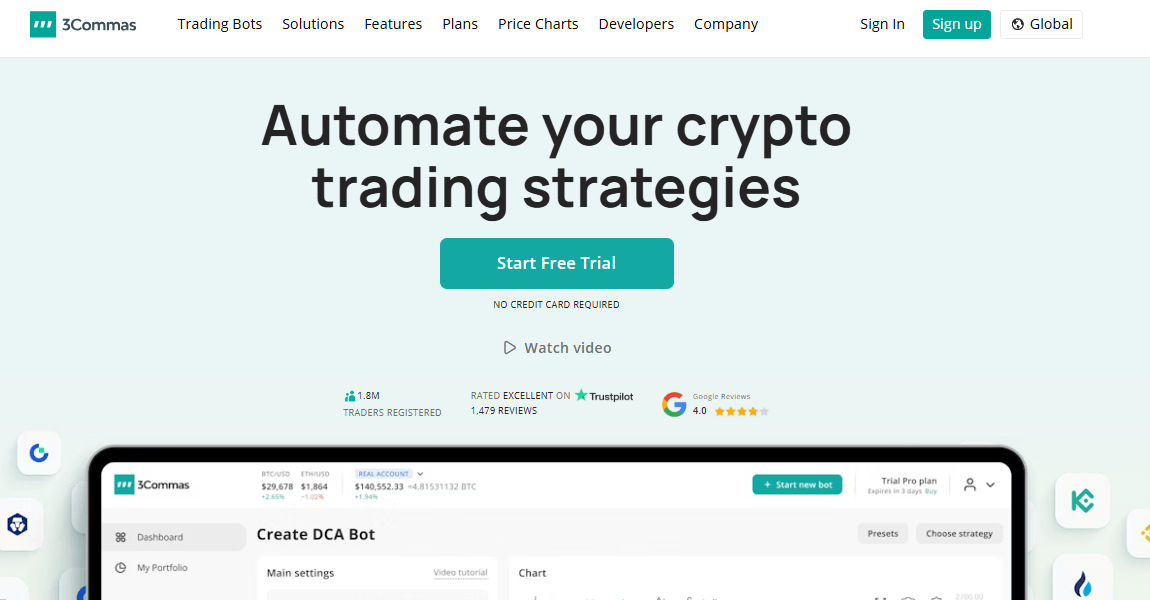
1. 3Commas AI Bot for Multi-Exchange Automation
3Commas connects to major exchanges via API keys, allowing traders to automate strategies across multiple platforms simultaneously. Its AI module analyzes market trends to suggest optimal entry and exit points for DCA and limit orders. This multi-exchange capability reduces platform dependency while streamlining portfolio management for users managing diverse holdings across different liquidity pools.
2. Pionex AI Grid Trading Bot for Volatility
Pionex integrates directly with its exchange, offering built-in AI grid trading bots that capitalize on sideways market movements. The AI adjusts grid density based on real-time volatility, ensuring consistent profit accumulation during price fluctuations. This approach removes the need for manual order placement, making it ideal for traders seeking passive income from volatile crypto assets without constant monitoring.

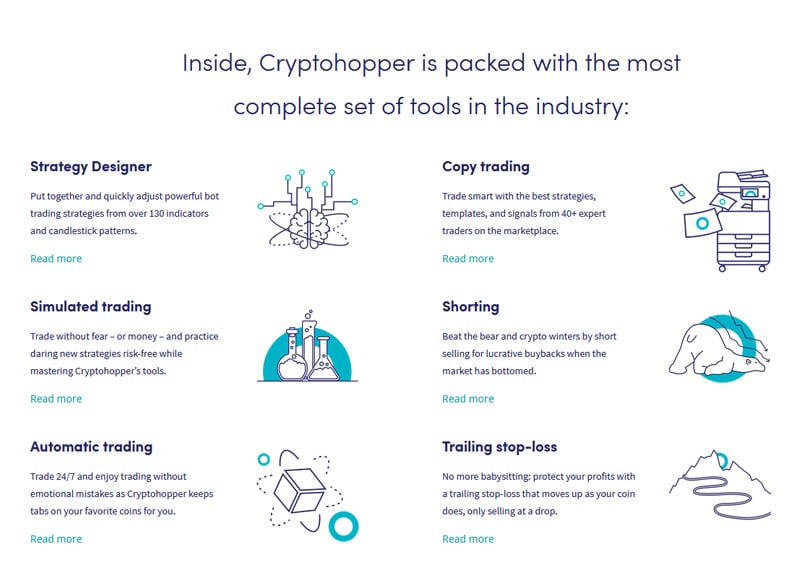
3. Cryptohopper Strategy Designer with Cloud Execution
Cryptohopper provides a robust Strategy Designer where users can backtest and deploy AI-driven trading signals without keeping their devices online. The cloud-based execution ensures trades are executed instantly, even during market hours when users are unavailable. Its marketplace allows traders to purchase or sell pre-configured strategies, offering a flexible environment for both novice and experienced algorithmic traders seeking reliable uptime.
4. Bitsgap AI Arbitrage Bot for Cross-Exchange Gains
Bitsgap specializes in arbitrage trading, scanning multiple exchanges for price discrepancies of the same asset to generate risk-adjacent profits. Its AI bot automatically executes trades across platforms to capture these small but frequent price differences. This method is particularly effective for traders looking to minimize exposure to single-exchange volatility while leveraging global market inefficiencies for steady returns.

5. TradeSanta AI Scalping Bot for Day Trading
TradeSanta focuses on scalping strategies, executing numerous small trades to capitalize on minor price movements throughout the day. Its AI component identifies short-term trends and adjusts parameters dynamically to maximize win rates in fast-moving markets. This bot is suited for active day traders who prefer automated execution of high-frequency strategies without the emotional fatigue of manual trading.
Pick the right fit
Choosing an AI crypto trading bot isn't about finding the "best" one; it's about matching a tool to your specific trading style and risk tolerance. The market is split into clear categories: grid bots for ranging markets, DCA bots for long-term accumulation, and arbitrage bots for technical traders. Using a bot designed for the wrong market condition can drain capital faster than manual trading.
Start by defining your strategy. Do you want to scalp small profits every few minutes, or hold positions for days? If you are new to automation, look for platforms like 3Commas or Cryptohopper that offer visual strategy builders. These tools let you backtest AI signals against historical data before risking real funds. Avoid bots that promise guaranteed returns; instead, focus on those with transparent fee structures and clear risk management controls like stop-losses.
Next, evaluate the technical requirements. Most AI bots require API keys from your exchange. Ensure the bot supports your exchange of choice and, more importantly, that you only grant "trade" permissions—never "withdrawal" permissions. This security measure protects your funds even if the bot's security is compromised. For advanced users, check if the bot supports custom Python or JavaScript integrations, which allows you to build bespoke AI models rather than relying on generic presets.
Finally, consider the cost. Many bots operate on a subscription model, while others take a percentage of profits. Calculate the break-even point: if a bot costs $50 a month, you need to generate at least that much in net profit just to cover costs. For most retail traders, a low-cost subscription is safer than a high-profit-share model, which can erode gains during volatile markets.


As an Amazon Associate, we may earn from qualifying purchases.
| Feature | Grid Bot | DCA Bot | Arbitrage Bot |
|---|---|---|---|
No comments yet. Be the first to share your thoughts!