How to fit crypto into your 2026 budget
Buying Bitcoin and altcoins in 2026 requires a realistic look at your financial ceiling. The market is currently in a transition phase, meaning risks and opportunities are shifting rapidly. Before you fund an exchange account on platforms like Coinbase or Gemini, you need to determine how much volatility you can actually afford to absorb.
Start by treating your crypto allocation as a distinct portion of your risk capital. Financial advisors generally suggest limiting speculative assets to a small percentage of your total portfolio. This approach protects your core savings while allowing you to participate in potential gains. If you are new to this space, starting with a modest amount like $1,000 is a practical way to learn the mechanics without jeopardizing your financial stability.
When selecting specific assets, focus on established cryptocurrencies with clear utility rather than chasing fleeting trends. Bitcoin remains the primary anchor for most portfolios, while select altcoins offer exposure to different blockchain ecosystems. Diversification across a few major assets can help smooth out the inevitable price swings. Remember that past performance does not guarantee future results, so always do your own research before committing funds.
To help you get started, here are some essential tools and resources for managing your crypto journey safely.


As an Amazon Associate, we may earn from qualifying purchases.
Shortlist real options
Choosing where to buy crypto in 2026 depends on what you value most: low fees, security, or ease of use. The market has shifted from speculative frenzy to a more regulated environment, especially with the impact of spot Bitcoin and Ethereum ETFs. This change has made traditional brokerages like Fidelity and Robinhood viable options for many investors, alongside specialized exchanges like Coinbase and Kraken.
When comparing platforms, look beyond just the headline trading fee. Many exchanges offer zero-fee trading on spot markets but make money through spreads or withdrawal fees. For beginners, a user-friendly interface and strong customer support often outweigh saving a few basis points on a trade. For active traders, execution speed and order book depth are critical.
The following comparison highlights four major platforms relevant for buying crypto in 2026. They represent different approaches to accessing the market, from full-service brokerages to dedicated crypto-native exchanges.
| Platform | Best For | Fee Structure | Security Highlights |
|---|---|---|---|
| Coinbase | Beginners | 0.40-4% spread + trading fees | Publicly traded, insured reserves |
| Kraken | Active Traders | 0.16-0.26% maker/taker | Cold storage, 100% reserves |
| Fidelity Digital Assets | Long-term Holders | 0.40% per transaction | Custodial, institutional-grade |
| Robinhood | Casual Investors | Free trading (spread-based) | SIPC coverage for cash, insured crypto |
Coinbase remains the most accessible entry point for new investors. Its interface is intuitive, and its status as a publicly traded company adds a layer of transparency. However, the spread and fees can be high for small, frequent trades. Kraken offers a more professional trading environment with lower fees, making it suitable for those who plan to trade actively. Fidelity Digital Assets appeals to investors who already have accounts with Fidelity, offering a seamless integration for retirement accounts or traditional portfolios. Robinhood provides a frictionless experience for those who want to buy and hold without navigating complex exchange interfaces, though you have less control over your private keys. Before committing funds, verify that the platform you choose supports the specific cryptocurrencies you want to buy. Not all exchanges list every altcoin. Additionally, consider how you plan to store your assets. If you are buying for long-term holding, moving your crypto to a self-custody wallet like a Ledger or Trezor is a standard security practice. Exchanges are convenient for trading but are not ideal long-term storage solutions due to the risk of hacks or platform insolvency. Always enable two-factor authentication (2FA) using an authenticator app, not SMS, for added security.
Inspect the expensive parts
Buying crypto in 2026 requires more than just picking a platform. The real cost comes from hidden fees, security gaps, and liquidity traps that drain your capital long before the market moves. Treat your purchase setup like a security audit. Check these four failure points before you commit capital.
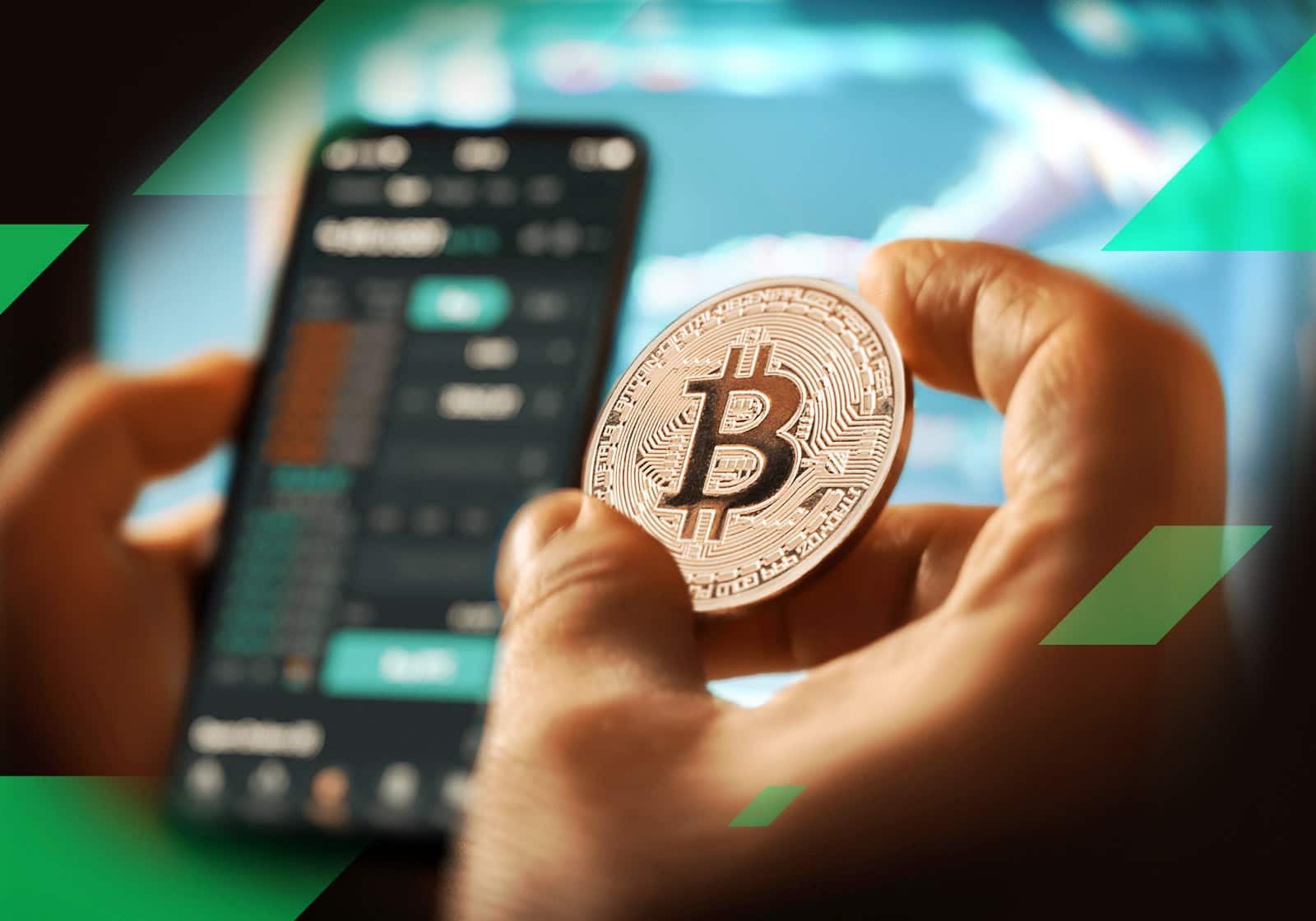
Exchanges often advertise low trading fees but hide costs in spreads and withdrawal charges. Compare maker/taker fees against withdrawal costs. A platform with 0.1% trading fees might cost more than one with 0.5% if withdrawal fees are high. Use a fee calculator to compare total costs for your specific trade size.
Not all custodians are created equal. Look for proof of reserves and insurance coverage for digital assets. Fidelity and Coinbase offer regulated custody options, while smaller exchanges may lack adequate protection. Verify if the platform holds assets in cold storage and maintains transparency reports.
High withdrawal limits and fast processing times are critical for large purchases. Some platforms impose daily limits that can delay your strategy. Check if the platform supports instant withdrawals or if there are mandatory holding periods. Test with a small amount first to verify the process.
Enable two-factor authentication (2FA) using an authenticator app, not SMS. Look for hardware wallet integration and multi-signature support. Check if the platform offers account recovery options in case you lose access. Avoid platforms that rely solely on email verification for account recovery.
Ownership Costs
Buying crypto is the easy part. Keeping it safe and usable involves a steady stream of fees that most new buyers overlook until it’s too late. Whether you hold Bitcoin or a smaller altcoin, the cost of ownership depends entirely on where you keep your keys and how you interact with the network.
Storage and Security Fees
If you leave your assets on an exchange like Coinbase or Binance, you avoid custody fees but take on counterparty risk. Moving funds to a self-custody wallet is free, but securing that wallet often costs money. Hardware wallets like the Ledger Nano X or Trezor Model T require an upfront purchase, typically ranging from $70 to $150. This is a one-time cost that protects you from exchange hacks.


As an Amazon Associate, we may earn from qualifying purchases.
Network and Transaction Fees
Moving crypto off an exchange or swapping tokens on a decentralized exchange (DEX) incurs network fees, often called gas. These fees fluctuate based on network congestion. Bitcoin and Ethereum networks can charge significant fees during peak times, sometimes exceeding $20 per transaction. If you’re holding altcoins on slower or more congested chains, these costs can erode small balances quickly.
Maintenance and Opportunity Costs
Beyond direct fees, there are maintenance costs. If you stake your crypto to earn yield, you may need to hold the asset for a lock-up period, limiting your ability to sell during a dip. Additionally, tax software for tracking crypto transactions can cost $50–$100 annually. For small portfolios, these fixed costs represent a higher percentage of your total investment than they do for large holders.
When a cheap buy stops being cheap is when the fees outweigh the potential gains. If you’re buying $50 worth of a volatile altcoin, a $5 network fee is a 10% loss immediately. Always factor in the exit strategy before you enter. The best way to minimize these costs is to buy in larger chunks less frequently, rather than small amounts often, and to use networks with lower gas fees when possible.
Buy crypto 2026: what to check next
Investing in digital assets this year requires navigating a market in transition. While institutional adoption is accelerating through ETFs and clearer regulations, volatility remains high. Below are answers to the most common practical questions about entering the crypto market in 2026.
No comments yet. Be the first to share your thoughts!